


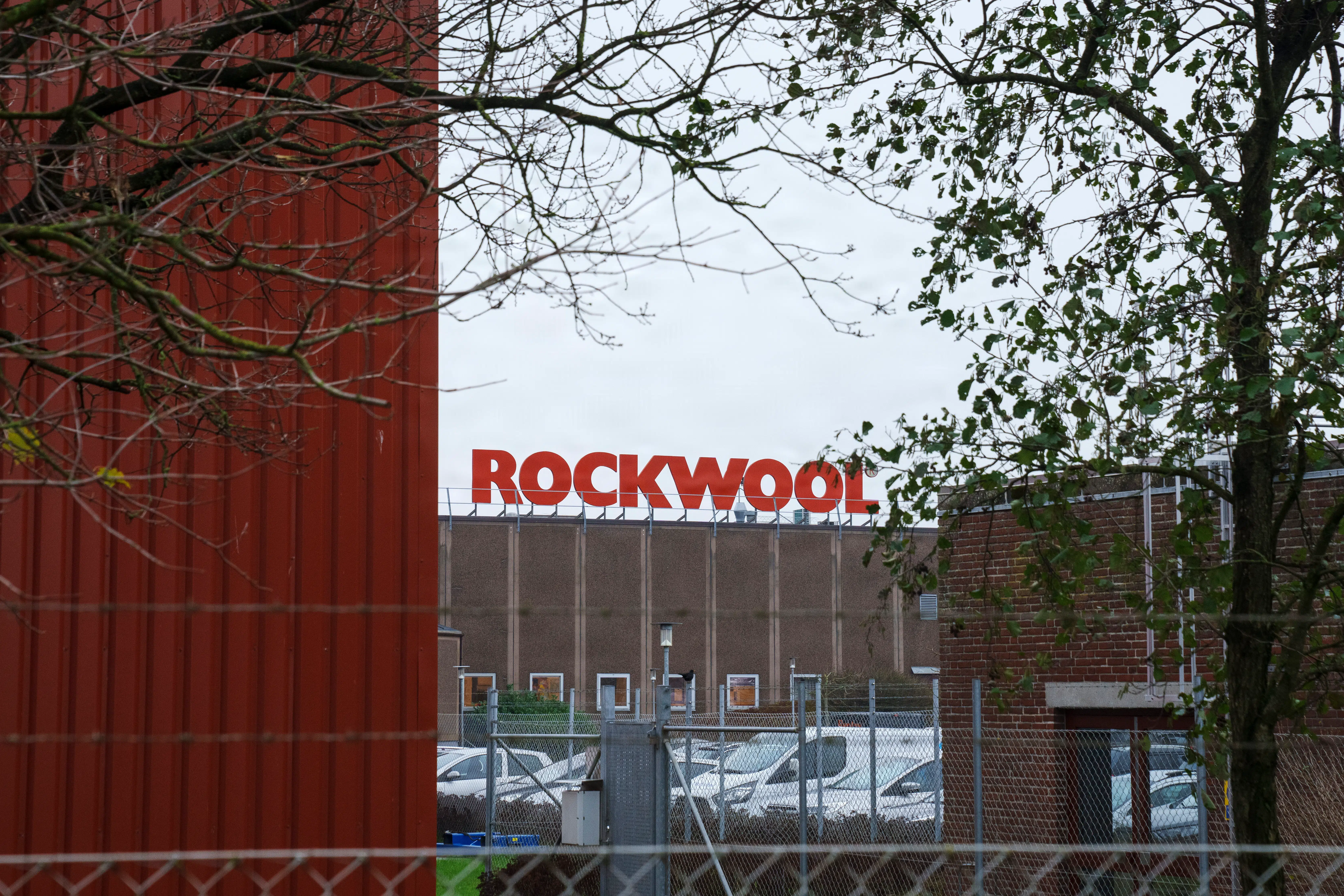
Russian director: Rockwool has received an offer to sell its Russian factories
Translated from Danish, summarized and contextualized by DistantNews.
At a glance
News
Named sources
New plan
- The director of Rockwool's Russian factories claims the company has been offered a deal to sell its Russian assets.
- Russia has reportedly given Rockwool two options: sell the factories at a significantly low price or face further consequences.
- The situation highlights the pressure international companies face operating in Russia following sanctions.
The director of Rockwool's Russian factories has stated that the company has received an offer to sell its Russian operations. This development comes amid ongoing international pressure on companies operating within Russia.
According to the director, Russia has presented Rockwool with a stark choice: either sell its four seized Russian factories at a "particularly cheap price" or face unspecified negative consequences. This alleged ultimatum underscores the challenging environment for foreign businesses in the country.
Rockwool, a Danish company, has been operating in Russia for decades. Following Russia's invasion of Ukraine and subsequent international sanctions, many Western companies have withdrawn from the Russian market. However, some, like Rockwool, have faced difficulties in divesting their assets cleanly.
The offer to sell at a significantly reduced price suggests that Russia may be leveraging its control over seized assets to extract favorable terms from departing companies. This situation could have implications for Rockwool's financial standing and its ability to exit the Russian market smoothly.
The article frames the situation as Russia giving Rockwool "the choice between two bad options," implying a lack of genuine negotiation and a coercive approach by the Russian authorities. The headline "Putin tramples on us - Rockwool pays the bill and regains its freedom" further emphasizes this perspective, suggesting that the company is being forced to pay a premium for its withdrawal.
Rockwool has been given the choice between two bad options.
DistantNews Editorial
Originally published by Berlingske in Danish. Translated, summarized, and contextualized by our editorial team with added local perspective. Read our editorial standards.
More Stories


From Our Blog

What Gets Lost (and Found) When News Is Translated

The Critical Role of Diaspora Media in Global News

What Travellers Should Know About Countries with Restricted Press

A Digital Nomad's Guide to Following Local News

How the Same Story Looks Different in Different Countries
