


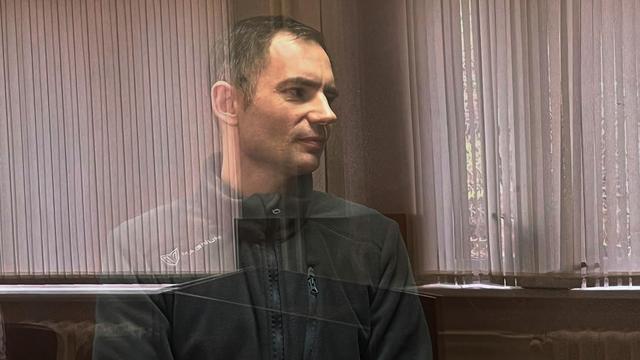
Russian opposition politician sentenced to seven years in penal colony
Translated from German, summarized and contextualized by DistantNews.
At a glance
News
Named sources
Outcome reported
- Russian opposition politician Maxim Kruglov received a seven-year prison sentence for allegedly spreading false information about the army.
- The charges stem from social media posts in 2022, including one citing the UN on civilian deaths in Ukraine and another discussing actions in Bucha.
- Kruglov denies the charges, stating he only called for an investigation into events, as authorities intensify crackdowns ahead of parliamentary elections.
Russian opposition politician Maxim Kruglov has been sentenced to seven years in a penal colony for allegedly spreading "false information" about the army on social media. Russian media reported that the charges relate to two posts from 2022.
In one post, Kruglov, the deputy chairman of the opposition Yabloko party, cited United Nations figures for civilian deaths in Ukraine. In another, he commented on the Russian army's actions in Bucha, a Kyiv suburb that became a symbol of Russian war crimes after hundreds of executed Ukrainian civilians were found there following the Russian troop withdrawal in March 2022.
Kruglov rejected the accusations, telling the independent media portal Mediazona that he had only called for an investigation into what happened. The sentencing comes as Russian authorities appear to be increasing their actions against critics ahead of parliamentary elections scheduled for September 18-20. The Yabloko party, one of Russia's oldest opposition parties, has seen other leading figures targeted by the justice system. Kruglov, 39, served as a city councilor in Moscow from 2019 to 2024 and became co-chairman of the party in late 2023. He was arrested in early 2025. The Russian government under President Vladimir Putin has largely suppressed critical media and the opposition, with many war opponents and government critics living in exile.
He had only called for an investigation into what happened.
DistantNews Editorial
Originally published by Die Zeit in German. Translated, summarized, and contextualized by our editorial team with added local perspective. Read our editorial standards.
More Stories


From Our Blog

What Gets Lost (and Found) When News Is Translated

How the Same Story Looks Different in Different Countries

The Critical Role of Diaspora Media in Global News

What Travellers Should Know About Countries with Restricted Press

A Digital Nomad's Guide to Following Local News
