


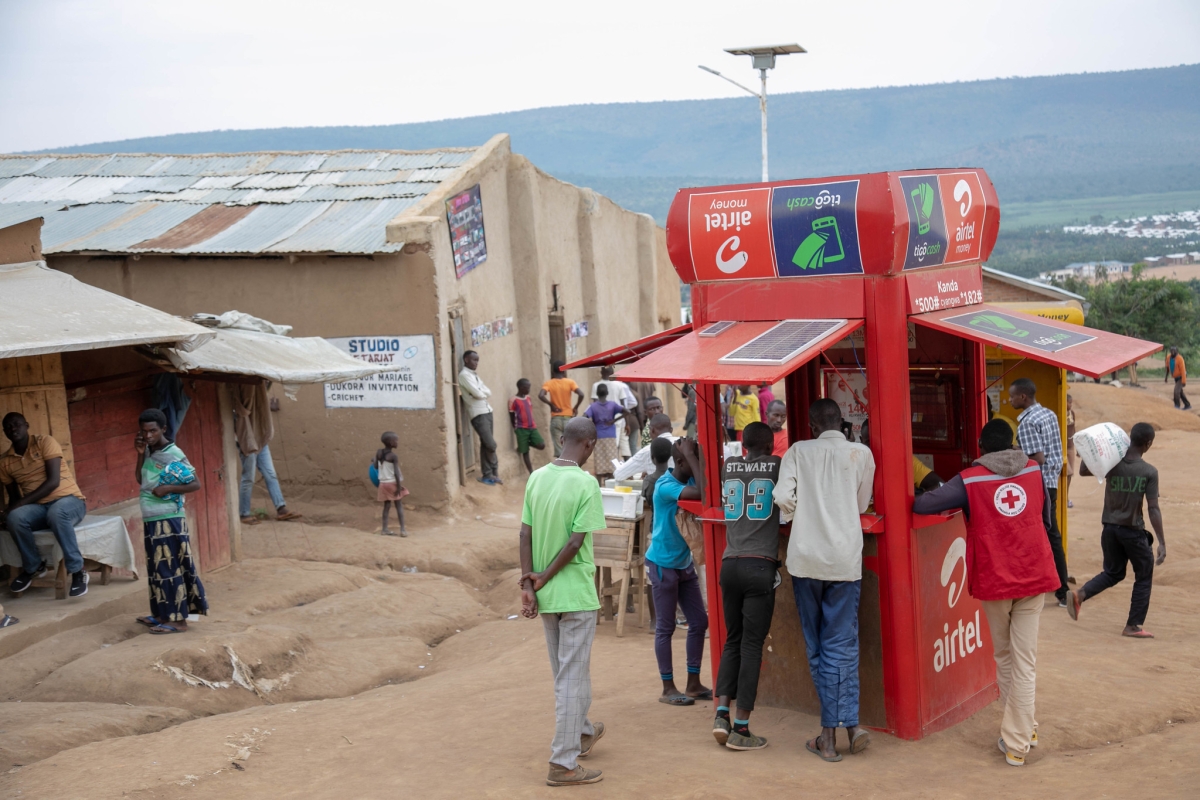
Rwanda aims for 15,000 refugee households to become self-reliant by 2030
Translated from English, summarized and contextualized by DistantNews.
At a glance
News
Sources not specified
Context piece
- Around 15,000 refugee households in Rwanda aim to achieve self-reliance by 2030.
- The initiative supports refugees, many of whom fled violence in eastern Democratic Republic of Congo, in becoming self-sufficient.
- This program seeks to transition refugees from humanitarian aid dependency to sustainable livelihoods.
Jean Marie Vianney Nsabimana fled violence in the eastern Democratic Republic of Congo, like thousands of other refugees in Rwanda. Now, he and his fellow refugees are part of an initiative aiming for self-reliance by 2030. This program targets approximately 15,000 refugee households, seeking to move them away from dependence on humanitarian aid.
The core goal is to foster self-sufficiency among refugees. Many arrived in Rwanda after escaping conflict, carrying with them the immediate need for assistance. This initiative provides a pathway for them to build sustainable livelihoods and regain independence. It represents a shift from traditional aid models to empowerment-focused strategies.
By focusing on self-reliance, the program intends to create lasting change for refugee families. This approach not only benefits the individuals directly but also contributes to the broader economic and social fabric of their host communities. The success of this program could serve as a model for refugee integration and empowerment in other regions.
DistantNews Editorial
Originally published by The New Times in English. Translated, summarized, and contextualized by our editorial team with added local perspective. Read our editorial standards.
More Stories

From Our Blog

What Gets Lost (and Found) When News Is Translated

The Critical Role of Diaspora Media in Global News

What Travellers Should Know About Countries with Restricted Press

A Digital Nomad's Guide to Following Local News

How the Same Story Looks Different in Different Countries
