

Safety Rules to Survive Lightning Storms in Romania
Translated from Romanian, summarized and contextualized by DistantNews.
At a glance
News
Named sources
Ongoing story
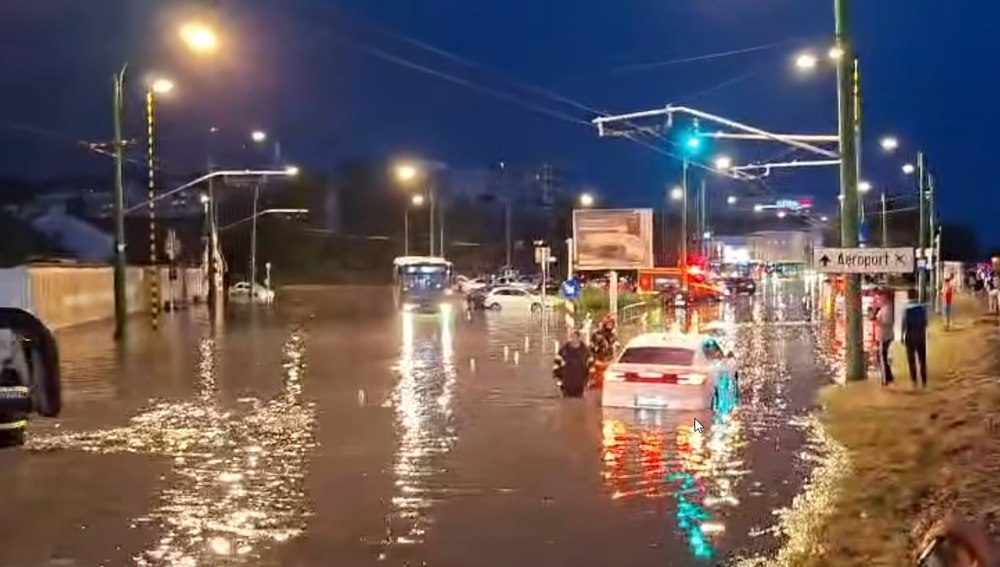
- Romania is under severe weather warnings for heavy rain, storms, and lightning.
- A doctor has published safety guidelines to prevent fatalities from lightning strikes, noting Romania has Europe's highest rate of lightning-related deaths.
- Key advice includes avoiding trees and high ground, staying isolated from the ground, maintaining distance from others, and avoiding metal objects.
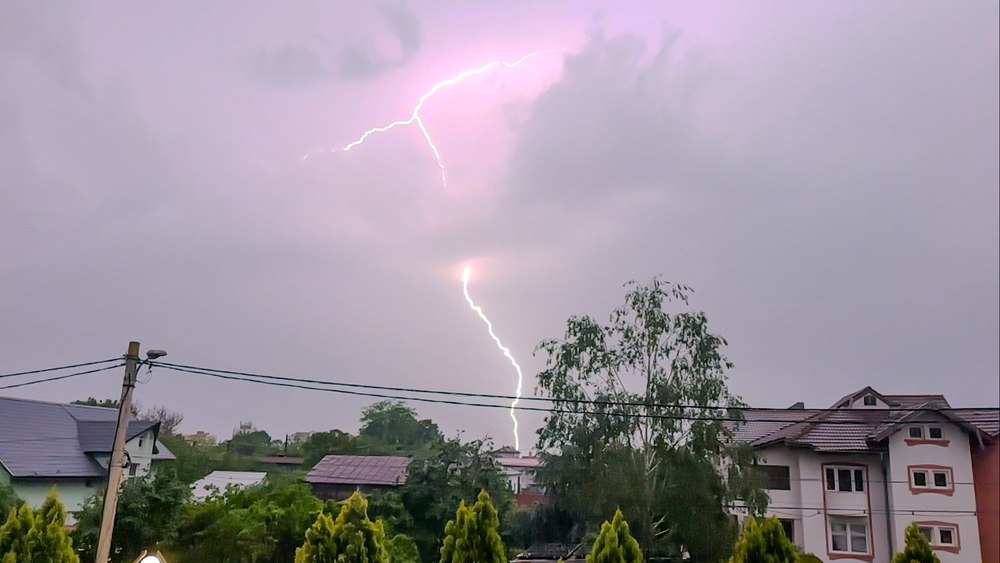
Romania is currently experiencing severe weather, with official warnings issued for torrential rain, strong winds, and electrical storms. Amidst this hazardous weather, experts are emphasizing the critical importance of safety protocols to prevent potentially fatal incidents, particularly those involving lightning strikes.
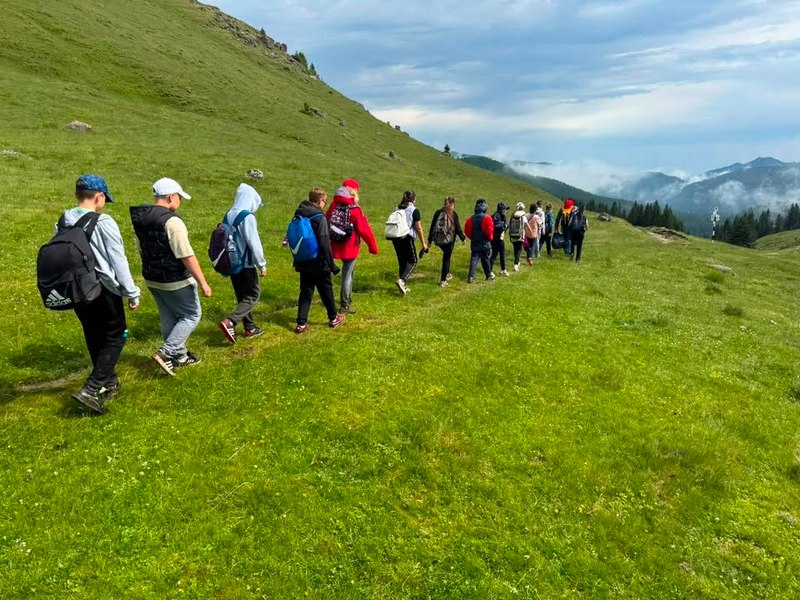
The warning comes after a teacher who was accompanying a group of 14 children on a mountain trail in the Bucegi Mountains was struck by lightning.
Dr. Tudor Ciuhodaru has highlighted a set of essential rules that can significantly reduce the risk of injury or death during thunderstorms. His warnings come after a recent incident where a teacher guiding a group of 14 children in the Bucegi Mountains was struck by lightning, sustaining severe burns. Romania reportedly has the highest rate of lightning-related fatalities in Europe, a statistic that experts believe could be drastically reduced through public education and adherence to simple safety measures.
The primary rule stressed by specialists is to avoid seeking shelter under trees or in elevated areas, as these locations attract lightning. It is considered safer to get wet in the rain than to risk a direct strike. Furthermore, individuals caught in the open should avoid lying directly on the ground. Instead, they should use insulating materials like backpacks or sleeping pads to distance themselves from the earth.
Romania records the highest rate of lightning-induced deaths in Europe, and many of these tragedies could be prevented by observing simple safety rules and through health education.
For groups in open areas or mountains, maintaining a distance of 10-15 meters between individuals is crucial, as lightning can travel through the ground or via side flashes. Proximity to large animals should also be avoided. Contact with metallic objects and structures that conduct electricity, such as poles, fences, or metal bars, must be strictly avoided. This includes refraining from using metal trekking poles or other conductive equipment. Inside homes, it is advisable to disconnect electronic appliances like televisions and computers to prevent damage from power surges.
The first and most important rule is to avoid sheltering under trees or in high areas. Specialists warn that it is preferable to get wet in the rain than to expose yourself to the risk of being struck by lightning.
In the event that someone is struck by lightning, immediate first aid is critical. If the victim is not breathing or shows no vital signs, resuscitation efforts should commence immediately. Emergency services (112) must be called, and in mountainous regions, the Salvamont Romania app can provide precise GPS location. Burns should be cooled with clean water and covered with sterile dressings until medical help arrives. If the storm persists, others in the group should move away from ridges and tall trees, adopting a crouching position while insulated from the ground.
Lightning can travel through the ground or through so-called 'side flashes,' which is why people must maintain a distance of about 10-15 meters between them.
DistantNews Editorial
Originally published by Adevărul in Romanian. Translated, summarized, and contextualized by our editorial team with added local perspective. Read our editorial standards.
More Stories
From Our Blog

What Gets Lost (and Found) When News Is Translated

The Critical Role of Diaspora Media in Global News

What Travellers Should Know About Countries with Restricted Press

A Digital Nomad's Guide to Following Local News

How the Same Story Looks Different in Different Countries
