


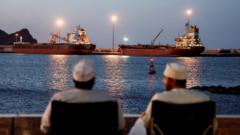
Sailors Stressed and Exhausted After Months Trapped by Strait of Hormuz Blockade
Translated from English, summarized and contextualized by DistantNews.
At a glance
News
Named sources
Ongoing story
- Thousands of sailors are trapped in or near the Strait of Hormuz due to the ongoing conflict, unable to transit.
- Ships have been stuck for months, facing stress, exhaustion, and anxiety amidst the war zone.
- Iran closed the strait, allowing passage only with its permission, leading to failed attempts by ships to navigate through.
For three months, Captain Hassan Khan and approximately 20,000 other sailors have been trapped in a precarious situation in or near the Strait of Hormuz. The conflict involving the US, Israel, and Iran has effectively halted maritime traffic in one of the world's busiest waterways, which normally transports a fifth of the globe's oil and gas.
It is really strange that everything looks normal outside, but people inside are not calm.
Despite the apparent tranquility of the sea, the atmosphere onboard ships is fraught with tension. Sailors report constant stress and exhaustion, both physical and mental. The usual routines are disrupted, shore leaves are rare, and the silence is often broken by anxious phone calls rather than cheerful banter. The crew lives in a state of heightened alert, startled by the slightest sound.
The stress stays in our mind all the time. Everyone is just exhausted – both physically and mentally.
Iran's closure of the strait, allowing passage only with its explicit permission, has created a bottleneck. Captain Shafiqul Islam, commanding the Bangladesh-owned ship Banglar Joyjatra, recounted two failed attempts to navigate the passage. Even after a ceasefire announcement in April, Iran initially allowed passage but quickly reversed the decision when the US maintained its port blockades. Ships like Islam's, carrying vital cargo like fertilizer, remain anchored offshore or in safer ports within the Gulf, unable to proceed.
It is as if we are trapped in a pond. There's only one way out, and that's Hormuz.
DistantNews Editorial
Originally published by BBC News in English. Translated, summarized, and contextualized by our editorial team with added local perspective. Read our editorial standards.
More Stories


From Our Blog

What Gets Lost (and Found) When News Is Translated

The Critical Role of Diaspora Media in Global News

What Travellers Should Know About Countries with Restricted Press

A Digital Nomad's Guide to Following Local News

How the Same Story Looks Different in Different Countries
