


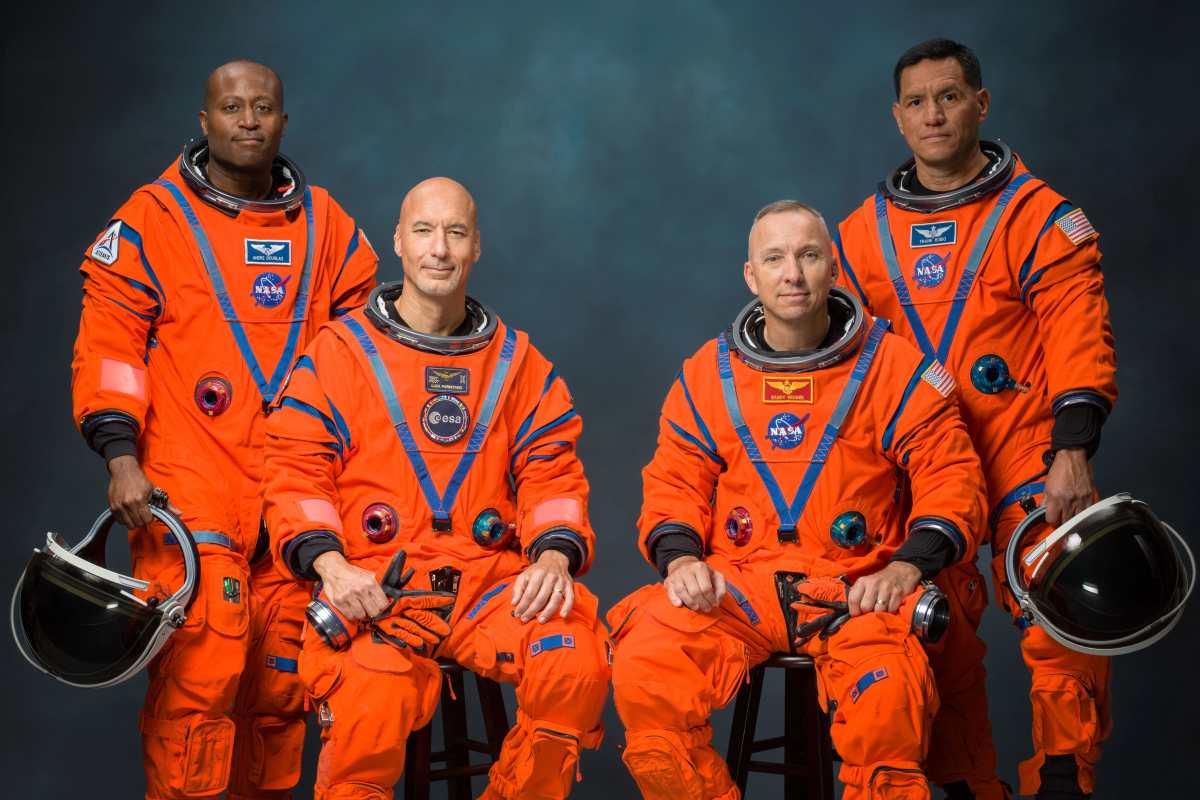
Salvadoran-American astronaut Frank Rubio joins NASA's Artemis III mission
Translated from Spanish, summarized and contextualized by DistantNews.
At a glance
News
Sources not specified
New plan
- Astronaut Frank Rubio, of Salvadoran descent, is part of the crew for NASA's upcoming Artemis III mission.
- The mission aims to test technologies and procedures for future lunar missions, including docking Orion with test versions of landers from Blue Origin and SpaceX.
- Artemis III is a crucial test flight before NASA plans to return astronauts to the lunar surface with Artemis IV in 2028, with a stated goal of beating China to the Moon.
Astronaut Frank Rubio, an aviation medical doctor with Salvadoran roots, has been named to the crew for NASA's Artemis III mission. He will be joined by mission specialists Andre Douglas and Luca Parmitano, an Italian astronaut serving as pilot. Randy Bresnik, a former International Space Station commander, will lead the mission.
The announcement was made at the Johnson Space Center in Houston, with leaders from NASA and representatives from private space companies Blue Origin and SpaceX in attendance. These companies are developing critical systems for the mission. Artemis III is designed as a test flight in Earth orbit to validate the technologies, tools, and procedures intended for future crewed missions to the Moon.
We are returning to the Moon, a great adventure to build a lunar base and develop its full scientific and economic potential, in addition to mastering the skills necessary for the next destination to which we will inevitably go.
NASA Administrator Jared Isaacman stated during the event, "We are returning to the Moon, a great adventure to build a lunar base and develop its full scientific and economic potential, in addition to mastering the skills necessary for the next destination to which we will inevitably go." The mission will mark the first time the Orion spacecraft attempts to dock in space with test versions of landers developed by Blue Origin and SpaceX.
We want to test everything possible about how we operate with our commercial partners, across systems, equipment, software, and hardware, in the challenging environment of space. We want to do it in Earth orbit before returning to the Moon and establishing a permanent presence there.
The plan involves multiple launches in a short timeframe, including NASA's SLS rocket and vehicles from both private companies. Artemis III is expected to last about two weeks, slightly longer than Artemis II's lunar flyby. It is intended as the final major test mission of the Artemis program. If successful, NASA aims for Artemis IV, scheduled for 2028, to mark the return of astronauts to the lunar surface.
"We want to test everything possible about how we operate with our commercial partners, across systems, equipment, software, and hardware, in the challenging environment of space. We want to do it in Earth orbit before returning to the Moon and establishing a permanent presence there," explained Jeremy Parsons, deputy manager of NASA's Moon-to-Mars program. During the mission, Orion will dock with a Blue Origin test module for about two days, followed by a SpaceX Starship test version for approximately one day. Astronauts will conduct technology demonstrations and evaluate critical systems, including life support. Parsons added that Artemis III aims to "reduce the risks" for future crewed lunar missions, with the objective of "the U.S. returning to the Moon before China."
reduce the risks
DistantNews Editorial
Originally published by Prensa Libre in Spanish. Translated, summarized, and contextualized by our editorial team with added local perspective. Read our editorial standards.
More Stories



From Our Blog

What Gets Lost (and Found) When News Is Translated

The Critical Role of Diaspora Media in Global News

What Travellers Should Know About Countries with Restricted Press

A Digital Nomad's Guide to Following Local News

How the Same Story Looks Different in Different Countries
