


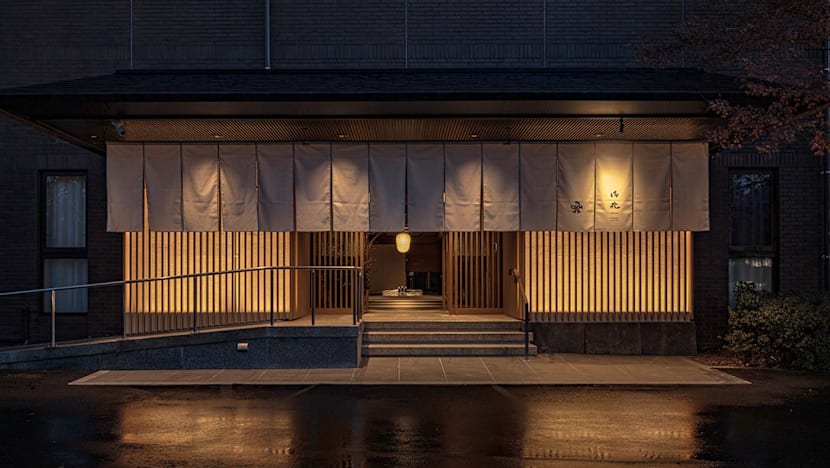
Samurai Family Estate in Yanagawa Becomes Unique Japanese Ryokan Stay
Translated from English, summarized and contextualized by DistantNews.
At a glance
In-depth
Sources not specified
Outcome reported
- Ohana Ryokan in Yanagawa, Japan, offers a unique stay within a nationally designated Place of Scenic Beauty.
- The ryokan is part of a historic samurai family estate with over 400 years of history, intertwined with the Tachibana clan.
- Recently restored, it preserves the estate's heritage while providing accommodation, featuring gardens and historical architecture.
Yanagawa, a city located an hour from Fukuoka, Japan, is home to the Ohana Ryokan, a unique accommodation offering guests the chance to stay within the grounds of a nationally designated Place of Scenic Beauty. This designation, which also includes famous sites like Kyoto's Arashiyama Bamboo Grove, highlights the exceptional natural and cultural value of the Ohana estate, particularly its Shoto-en Garden with ancient pine trees.
The estate's history is deeply connected to the Tachibana clan, a samurai lineage tracing back over 400 years. The first lord of the Yanagawa Domain, Tachibana Muneshige, established his influence in the early 17th century. The city itself, shaped by a vast network of canals and its proximity to the Ariake Sea with its significant tidal range, historically thrived on water transport, supporting samurai, merchants, and townspeople.
Chizuka Tachibana, an 18th-generation descendant and CEO of Ohana, took over management in 2015. The ryokan reopened in January 2025 after a significant restoration aimed at preserving the estate for the future. The property's origins trace back to 1738 when the sixth-generation clan head built a residence for his concubine and children on the current site.
Chizuka's grandmother, Ayako Tachibana, grew up on the estate and pursued a modern life, studying in Tokyo and excelling in sports, even winning the 1933 All Japan Women's Tennis Tournament. After World War II, Ayako transformed the estate into a ryotei-ryokan, a traditional restaurant with lodging, to safeguard the property amidst post-war reforms that abolished the peerage and introduced agrarian and inheritance taxes.
Many samurai lived here. Alongside them, merchants and townspeople thrived, thanks to water transport via the Ariake Sea and the canals that shaped Yanagawa’s distinctive waterside scenery.
DistantNews Editorial
Originally published by CNA in English. Translated, summarized, and contextualized by our editorial team with added local perspective. Read our editorial standards.
More Stories


From Our Blog

What Gets Lost (and Found) When News Is Translated

The Critical Role of Diaspora Media in Global News

What Travellers Should Know About Countries with Restricted Press

A Digital Nomad's Guide to Following Local News

How the Same Story Looks Different in Different Countries
