


Saudi Arabia Solidifies Role as Key Regional Gold Market, World Gold Council Reports
Translated from English and summarized by DistantNews. Read the original for the full story.
At a glance
News
Named sources
Context piece
- Saudi Arabia is emerging as a significant market in the gold sector, driven by investment, consumer spending, and tourism growth.
- Global gold demand reached approximately 1,269 tons in Q2 2026, with prices averaging $4,506 per ounce amid geopolitical risks and interest rate concerns.
- The World Gold Council notes gold's increasing importance as a strategic asset for portfolio diversification and value preservation in an uncertain global economic environment.
Saudi Arabia is strengthening its position as a key market in the region's gold sector, according to the World Gold Council. This transformation is fueled by robust growth in investment, consumer spending, and expanding tourism and financial activities, occurring as gold prices reach record levels and its role as a hedging tool gains prominence amid rising global debt and geopolitical uncertainty.
gold has entered a phase in which its role extends beyond its association with immediate crises, as its importance as a strategic asset in investment portfolios continues to grow.
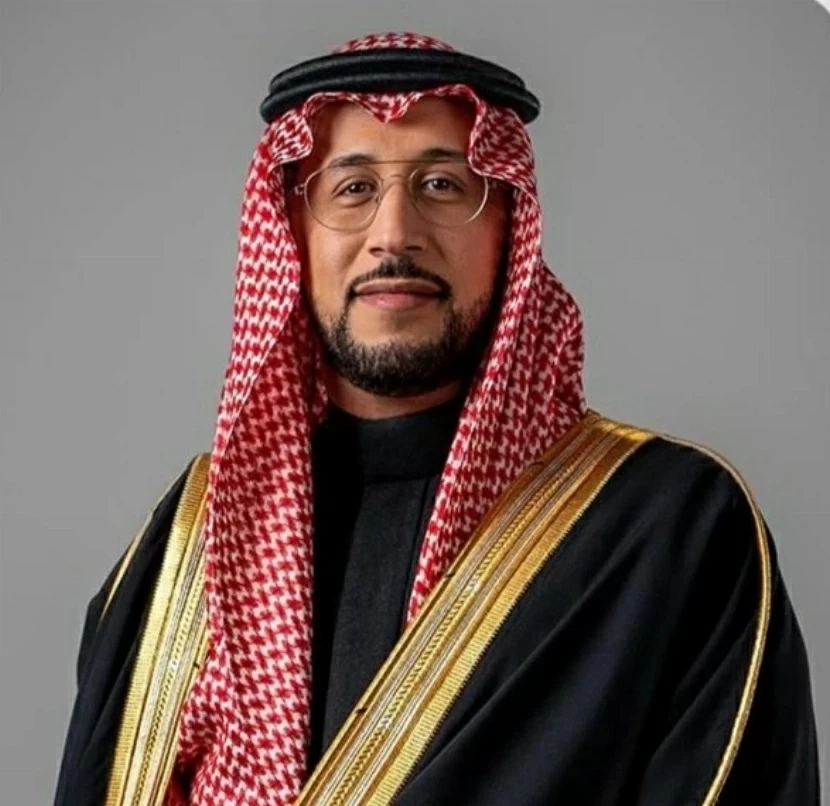
Andrew Naylor, the World Gold Council's Head of Middle East and Public Policy, believes these developments are creating new opportunities for sector growth. He stated that gold is entering a phase where its importance extends beyond immediate crises, increasingly serving as a strategic asset within investment portfolios. Global gold demand, including over-the-counter trading, reached about 1,269 tons in the second quarter of 2026, with first-half demand rising 2 percent year-on-year to 2,522 tons, valued at a record $380 billion.
The metal's average price under the London benchmark hit $4,506 per ounce in the second quarter, a notable increase from the previous year, despite a slight dip from the first quarter's record high. This price movement reflects sustained investor demand, influenced by geopolitical risks intersecting with expectations on interest rates, currency fluctuations, and high debt levels.
investors are not reacting only to individual events, but to an environment characterized by growing and persistent risks, from geopolitical tensions to uncertainty over inflation and interest rates and volatility in currency markets.
Naylor further explained that gold's significance is amplified by persistent global geopolitical and economic uncertainty. Investors are responding not just to isolated events but to an environment characterized by escalating and ongoing risks, including geopolitical tensions, inflation, interest rate volatility, and currency market fluctuations. Gold continues to be vital for diversifying portfolios, preserving value, and enhancing resilience against market volatility, with concerns over rising global debt levels further supporting interest in the metal.
gold continues to play a role in diversifying portfolios, preserving value, and strengthening their ability to withstand volatility, pointing out that concerns over rising global debt levels and their sustainability have become factors supporting interest in gold.
About this summary
Originally published by Asharq Al-Awsat in English. Translated, summarized, and contextualized automatically by DistantNews, with a note on how the source frames the story. Not individually reviewed before publishing. How this works.
More Stories


From Our Blog

What Gets Lost (and Found) When News Is Translated

The Critical Role of Diaspora Media in Global News

What Travellers Should Know About Countries with Restricted Press

A Digital Nomad's Guide to Following Local News

How the Same Story Looks Different in Different Countries
