


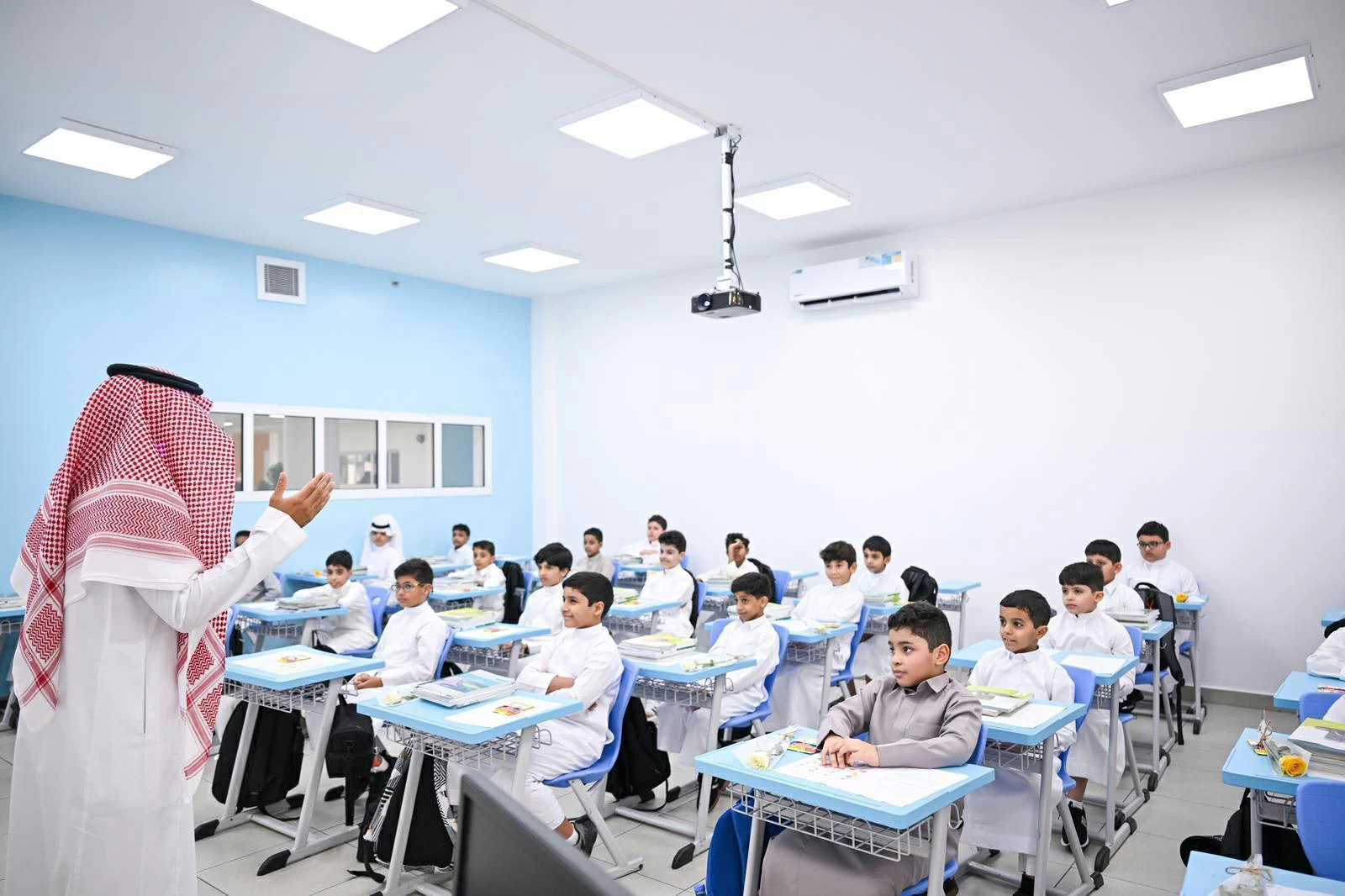
Saudi Education Ministry Caps Inclusive Classrooms at 30 Students
Translated from Arabic, summarized and contextualized by DistantNews.
At a glance
News
Sources not specified
New plan
- Saudi Arabia's Ministry of Education has set a maximum of 30 students per classroom in inclusive education settings for primary, intermediate, and secondary levels.
- Students with disabilities must not exceed 25% of the total class enrollment to ensure a suitable learning environment.
- Specific limits are in place for students with autism spectrum disorder (low functioning) and deafblindness to maintain educational quality.
Saudi Arabia's Ministry of Education is implementing new regulations to enhance the quality of inclusive education programs for students with disabilities. The updated guidelines stipulate a maximum of 30 students per classroom across primary, intermediate, and secondary levels.
To ensure a conducive learning environment, the ministry has also set a cap, stating that students with disabilities should not constitute more than 25% of the total class enrollment. This measure aims to guarantee that students receive adequate educational and support services tailored to their specific needs.
Further refinements have been made for certain categories of students. For instance, classrooms will be limited to a maximum of five students with autism spectrum disorder (low functioning) or multiple disabilities. Similarly, classes for deafblind students will be restricted to no more than three students.
These regulations are designed to foster a balanced classroom dynamic and improve the effectiveness of inclusive education. The ultimate goal is to empower students with disabilities by providing them with appropriate educational and support services that align with their individual requirements.
DistantNews Editorial
Originally published by Okaz in Arabic. Translated, summarized, and contextualized by our editorial team with added local perspective. Read our editorial standards.
More Stories



From Our Blog

What Gets Lost (and Found) When News Is Translated

The Critical Role of Diaspora Media in Global News

What Travellers Should Know About Countries with Restricted Press

A Digital Nomad's Guide to Following Local News

How the Same Story Looks Different in Different Countries
