

Saxony-Anhalt campaign: The Left are asked to say only good things about the AfD and CDU
Translated from German and summarized by DistantNews. Read the original for the full story.
At a glance
In-depth
From a news agency
Context piece
- The AfD leads polls by a wide margin before the Saxony-Anhalt state election and could potentially appoint a state premier for the first time.
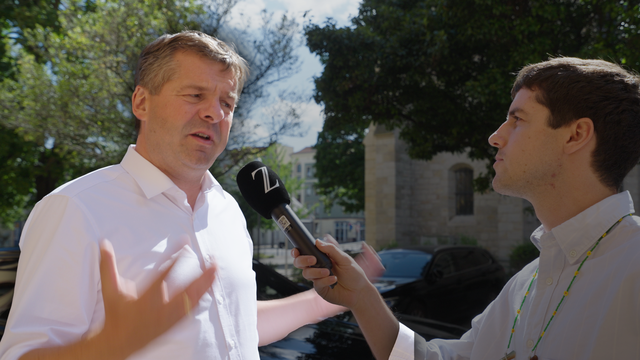
- A series visits events held by six parties and asks campaigners to name something positive about their political rivals.
- At a Left party event in Stendal, local candidates spoke with the reporters while Bundestag parliamentary group leader Heidi Reichinnek declined to participate.
The AfD leads every poll in Saxony-Anhalt by a wide margin and could appoint a state premier for the first time. The possibility is especially charged because the state intelligence agency classifies the party’s state organization as definitively far-right.
Despite that classification, AfD campaign events resemble folk festivals, with top candidate Ulrich Siegmund spending hours taking selfies and still unable to meet all the requests for autographs. The other parties are concentrating so heavily on resisting the AfD that they are struggling to show voters how they differ from one another.
The series follows the six relevant parties in the campaign: the AfD, CDU, Left, SPD, Greens and BSW. It visits events in Magdeburg, Osterwieck, Halle, Klötze, Schierke, Dessau and Haldensleben, interviewing both practiced speakers and ordinary campaigners.
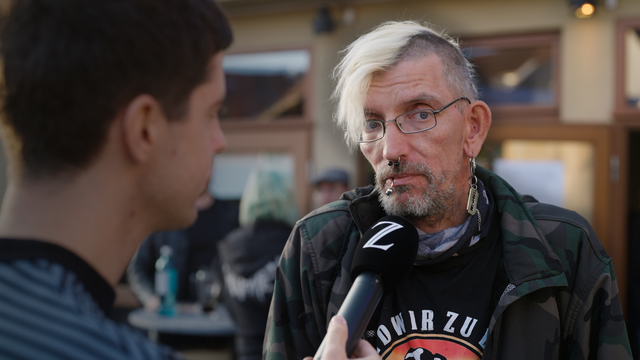
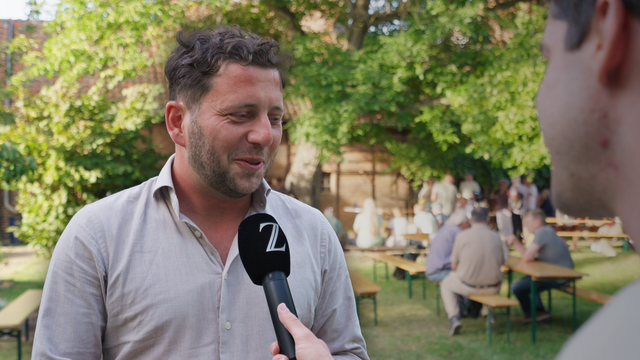
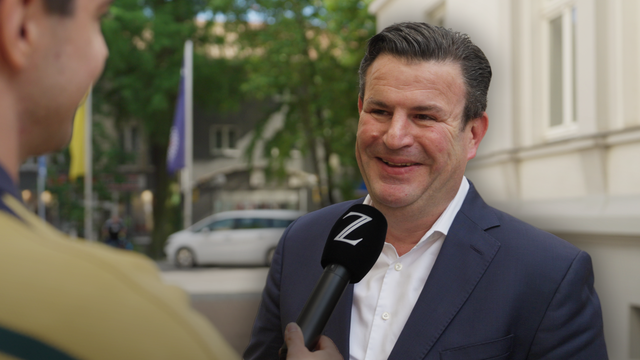
Each participant faces the same question: what good can they say about the political competition? The answers reveal poisoned compliments, unexpected common ground and repeated failures to find anything positive to say.
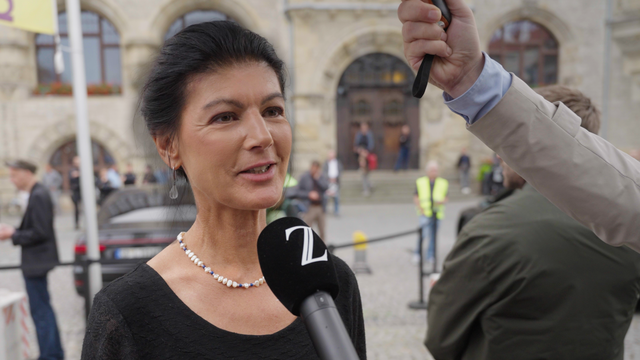
The Left held its event in the large hall of the Schwarzer Adler in Stendal, with Heidi Reichinnek appearing as the featured guest. The Bundestag Left parliamentary group leader did not speak with the reporters, but several state election candidates did. The article says the front between the Left and the AfD appeared less hardened at the local level.
About this summary
Originally published by Die Zeit in German. Translated, summarized, and contextualized automatically by DistantNews, with a note on how the source frames the story. Not individually reviewed before publishing. How this works.
More Stories
From Our Blog

What Gets Lost (and Found) When News Is Translated

How the Same Story Looks Different in Different Countries

The Critical Role of Diaspora Media in Global News

What Travellers Should Know About Countries with Restricted Press

A Digital Nomad's Guide to Following Local News
