




Saxony-Anhalt election: After the vote comes the ordeal
Translated from German and summarized by DistantNews. Read the original for the full story.
At a glance
Analysis
Sources not specified
Ongoing story
- The Saxony-Anhalt state election could determine whether a far-right party governs a German state for the first time since World War II.
- The result could also force the CDU to reconsider its longstanding refusal to cooperate with either the AfD or the Left Party.
- Possible outcomes include an AfD-only government, difficult coalition talks, or new elections.
Election nights can bring a sense of release. After weeks of polling, the results finally arrive, winners and losers emerge, and the leading figures confront one another on television shortly after 6 p.m.
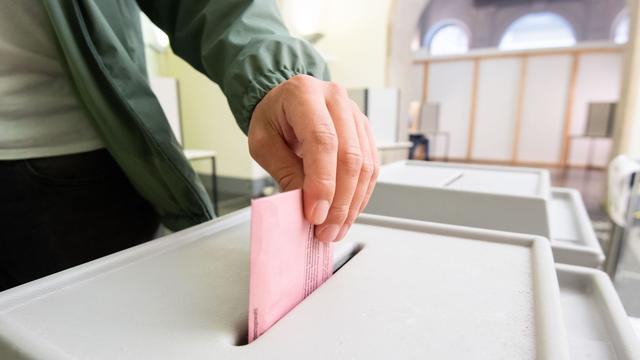
That moment has rarely been awaited with such tension in a state election as it was in Saxony-Anhalt. The vote involves more than choosing a parliament in eastern Germany. How roughly 1.7 million eligible voters cast their ballots could affect politics across the country.
One question looms over the result: could Germany see a far-right party govern a state for the first time since World War II? Another is whether the CDU will finally break one of its taboos by working with the AfD or the Left Party. The party could also be damaged by the choice itself.
Saxony-Anhalt therefore faces either an AfD-led government or a period of political uncertainty. Several scenarios are possible after the vote, alongside a small number of certainties. The central issue is how a government can be formed, or whether the parties will be forced to consider new elections.
About this summary
Originally published by Die Zeit in German. Translated, summarized, and contextualized automatically by DistantNews, with a note on how the source frames the story. Not individually reviewed before publishing. How this works.
More Stories


From Our Blog

News in Translation: What Gets Lost, and How We Keep the Framing

The Same Story, Different Countries: How Coverage Changes at the Border

Diaspora Media: How Communities Follow News From Home

Traveling Where the Press Is Not Free: How to Read the News There

The Digital Nomad's Guide to Local News
