




Saxony-Anhalt Election: Kretschmer Says Politics Must Not Simply Return to Business as Usual
Translated from German and summarized by DistantNews. Read the original for the full story.
At a glance
Newswire
From a news agency
Outcome reported
- Michael Kretschmer said politicians should not quickly return to business as usual after the Saxony-Anhalt election.
- He called for a closer look at what is driving voters, after the AfD won 43.8% and the CDU fell to 17.2%.
- The AfD emerged as the strongest party but lacked an absolute majority to govern alone.
Michael Kretschmer says the result in Saxony-Anhalt demands more than a brief reaction before politics returns to its normal routine. The premier of Saxony called for a period of self-criticism and urged politicians to understand why voters made their choice.
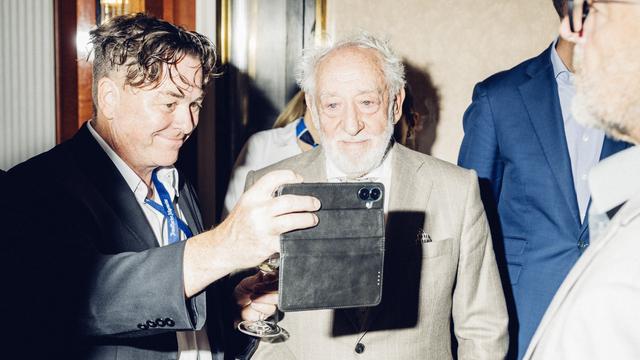
“I hope that in one or two weeks we will not simply return to business as usual, but that we will finally start looking at what moves people and why they vote this way,” the CDU politician said at a gala marking the 30th anniversary of Dresden’s Comödie theater. He added that he was deeply frustrated that this examination had not happened in recent years.
I hope that in one or two weeks we will not simply return to business as usual, but that we will finally start looking at what moves people and why they vote this way.
Kretschmer made the remarks after projections were released in the neighboring state. At the event, he also used humor to comment on what he called a “historical accident,” joking that the state might have been divided among neighboring areas. The remark drew laughter from the audience, and Saxony Television later posted it on Instagram.
The AfD won 43.8% of the vote in the Saxony-Anhalt state election, making it the clear strongest force. The CDU fell to 17.2%. The AfD cannot govern alone because it lacks an absolute majority. Kretschmer leads a minority government with the SPD in Saxony.
And it really annoys me that this has not happened over the past years.
About this summary
Originally published by Die Zeit in German. Translated, summarized, and contextualized automatically by DistantNews, with a note on how the source frames the story. Not individually reviewed before publishing. How this works.
More Stories

From Our Blog

News in Translation: What Gets Lost, and How We Keep the Framing

The Same Story, Different Countries: How Coverage Changes at the Border

Diaspora Media: How Communities Follow News From Home

Traveling Where the Press Is Not Free: How to Read the News There

The Digital Nomad's Guide to Local News
