

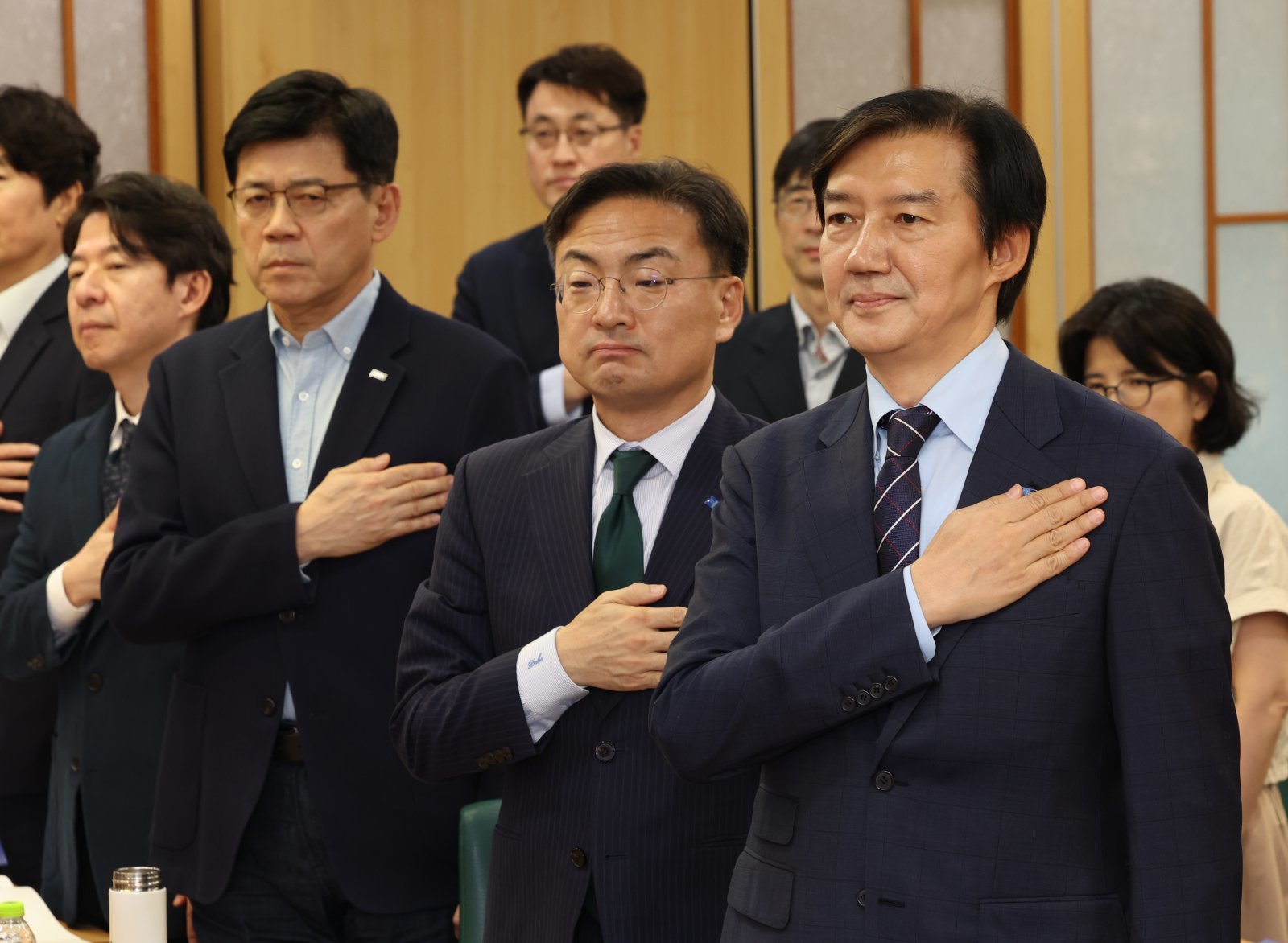
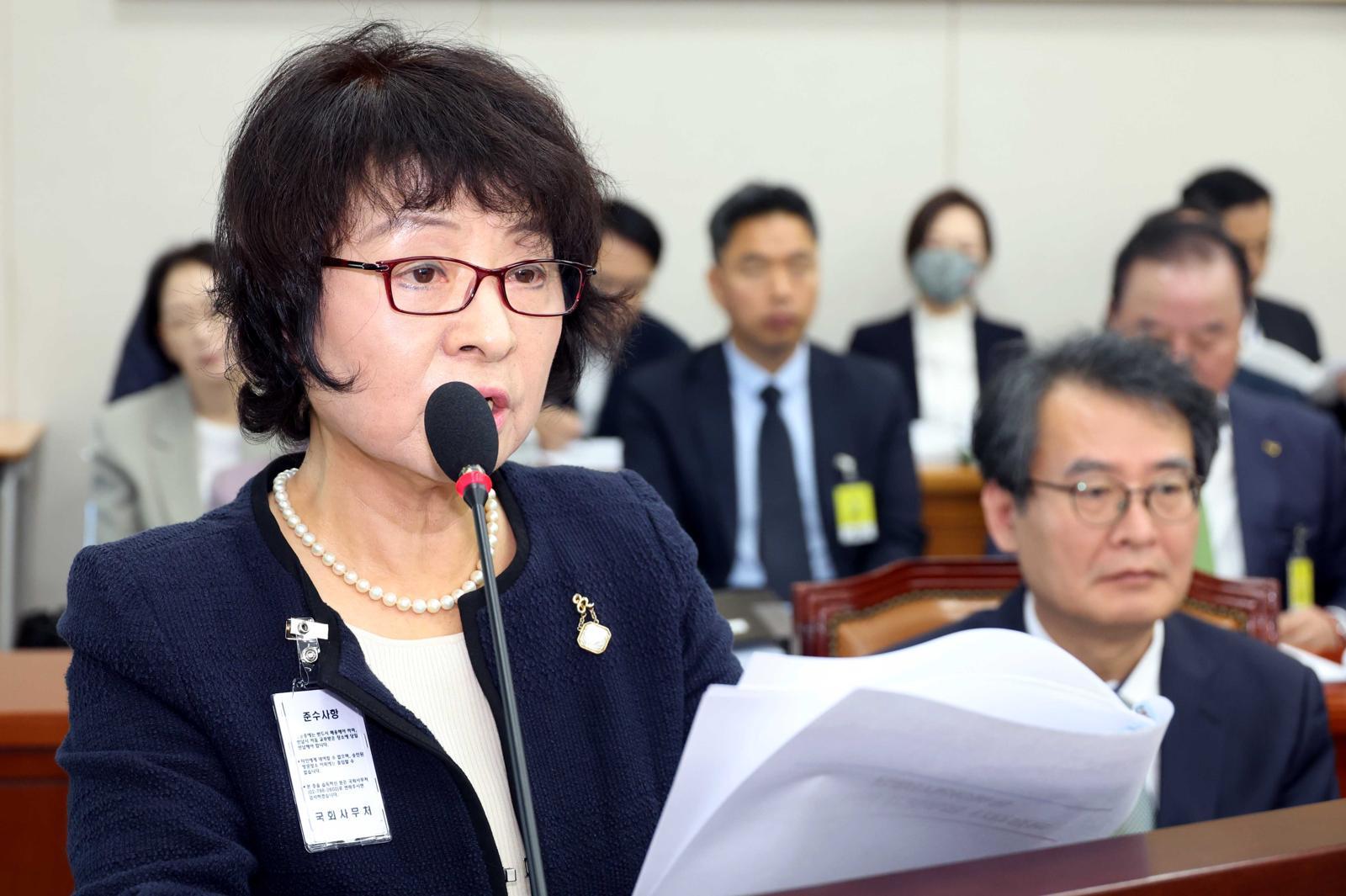
Saying “No” to the president can get you punished, as the Northeast Asian History Foundation chair knows
Translated from Korean and summarized by DistantNews. Read the original for the full story.
At a glance
Opinion
Named sources
In the courts
- Northeast Asian History Foundation chair Park Ji-hyang faces possible dismissal after disagreeing with President Lee Jae-myung during a discussion of the disputed Hwandangogi text.
- The Education Ministry investigated the foundation and suspended Park over alleged misuse of research funds, though a court later allowed her to return to work.
- The columnist warns that removing protected officials for speaking frankly could discourage dissent within government.
The lesson Kim Soon-duk says she failed to grasp is now unfolding around Park Ji-hyang: in South Korea, saying “No” to the president may cost a public official their job.
Park, chair of the Northeast Asian History Foundation, challenged President Lee Jae-myung during a Dec. 12 briefing. Lee asked whether the foundation did not conduct research into ancient history, in a discussion linked to “Hwanppas,” followers of the disputed Hwandangogi text. Park replied that the foundation was working hard and said professional researchers’ theories were more persuasive than those of so-called independent historians.
No
Three days later, the Education Ministry began investigating the foundation, according to the column. It conducted three investigations through May and notified Park of her suspension in July. The ministry alleged that the foundation had improperly used funds intended for interdisciplinary research on Ulleungdo and Dokdo when six heads of history-related institutions, including Park, visited Dokdo in September 2024.
Theories by professional researchers are far more persuasive than those of so-called independent historians, so we have no choice but to accept the views of professional researchers.
Mainstream Korean historical and archaeological organizations largely regard Hwandangogi as a forgery published by Yi Yuryip in 1979. Forty-eight groups said it had no value as a historical source. Supporters, including independent historian Lee Deok-il, dispute that view. The text has also received renewed attention in North Korea, where scholars have discussed its reassessment since the 1990s. Former President Park Geun-hye cited it in a 2013 Liberation Day speech and drew criticism.
Park challenged her suspension in court and returned to work after the court accepted her injunction application in late August. The ministry nevertheless repeatedly asked the foundation to convene a board meeting on Sept. 4 to discuss her dismissal. The columnist sees the case as a warning against the ancient expression “calling a deer a horse,” in which officials were punished for refusing to repeat a ruler’s falsehood.
The Northeast Asian History Foundation does not conduct research into ancient history?
About this summary
Originally published by Dong-A Ilbo in Korean. Translated, summarized, and contextualized automatically by DistantNews, with a note on how the source frames the story. Not individually reviewed before publishing. How this works.
More Stories


From Our Blog

What Gets Lost (and Found) When News Is Translated

The Critical Role of Diaspora Media in Global News

What Travellers Should Know About Countries with Restricted Press

A Digital Nomad's Guide to Following Local News

How the Same Story Looks Different in Different Countries
