


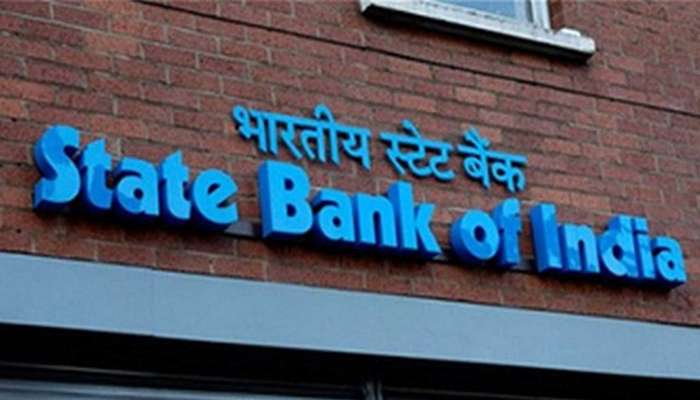
SBI Research raises India’s FY27 growth forecast to 7.3% after strong first quarter
Translated from English and summarized by DistantNews. Read the original for the full story.
At a glance
Newswire
Documents & data
New plan
- SBI Research raised its FY27 real GDP growth forecast for India to 7.3% from 6.6% after the economy grew 7.8% in the first quarter.
- Services, manufacturing, private consumption, capital formation and exports all supported the quarter’s broad-based expansion.
- The report expects growth to moderate through the fiscal year and cautioned that policy measures linked to the West Asia conflict may have affected the GDP estimates.
India’s economy grew faster than expected in the first quarter of fiscal 2026-27, prompting SBI Research to raise its full-year growth forecast to 7.3% from 6.6%.
Real GDP expanded 7.8% in the quarter, compared with 6.9% in the same quarter a year earlier. SBI Research described the performance as broad-based, with services leading growth and manufacturing also showing strong momentum. Gross value added increased 8.2%, up from 7.0% a year earlier.
We now revise our FY27 growth forecast to 7.3% from earlier 6.6%.
Services grew 10%, led by a 12.1% expansion in financial, real estate and professional services. Trade, hotels, transport, communication and related services grew 8.5%. Industry expanded 7.7%, despite a 2.4% contraction in mining and quarrying, while manufacturing growth accelerated to 9.2% from 8.3%. Agriculture grew 3.6%.
The gradual moderation reflects normalization from Q1's strong 7.8% base rather than a loss of underlying momentum, with domestic demand remaining the key growth anchor.
Demand also remained firm. Private consumption grew 7.1%, capital formation rose to 11.9%, and exports increased 12%. SBI Research said industrial production, services activity, credit demand and investment spending should continue supporting growth. It forecast expansion of 7.3% in the second quarter, 7.2% in the third and 6.9% in the fourth.
The report said the expected slowdown would reflect normalization after the unusually strong first-quarter performance, rather than weakening domestic demand. It also urged caution in interpreting the data because policy measures introduced amid the West Asia conflict, including changes affecting imports, gold and energy prices, may have influenced the estimates. Bank credit grew 18.3% in the fortnight ending Aug. 15, compared with 10.2% a year earlier.
Momentum is supported by accelerating high-frequency indicators, including industrial production, services activity, credit demand and investment spending, alongside resilient consumption.
About this summary
Originally published by Times of Oman in English. Translated, summarized, and contextualized automatically by DistantNews, with a note on how the source frames the story. Not individually reviewed before publishing. How this works.
More Stories


From Our Blog

What Gets Lost (and Found) When News Is Translated

The Critical Role of Diaspora Media in Global News

What Travellers Should Know About Countries with Restricted Press

A Digital Nomad's Guide to Following Local News

How the Same Story Looks Different in Different Countries
