


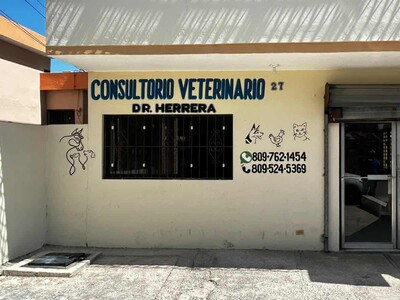
Scabies Cases Rise in Barahona, Dominican Republic; Hygiene Cited as Factor
Translated from Spanish, summarized and contextualized by DistantNews.
At a glance
News
Sources not specified
Context piece
- A significant increase in scabies cases is being observed in Barahona, Dominican Republic, with 30% of dermatology consultations related to the condition.
- Poor personal hygiene, overcrowding, and inadequate animal care are identified as potential contributing factors.
- Experts emphasize the need for proper veterinary diagnosis and public education on animal health and hygiene.
Barahona province in the Dominican Republic is experiencing a notable rise in scabies cases among humans, with the local dermatology institute reporting that approximately 30% of its consultations are now for this condition. Dr. Polibio Batista Matos, director of the Southwest unit of the Dominican Dermatological Institute and Skin Surgery (IDCP), highlighted the concerning trend.
Veterinarian Jhonny Herrera, with 34 years of experience, suggests that factors such as poor personal hygiene, overcrowded living conditions, and the improper management of animals with skin diseases likely contribute to the outbreak. While direct contact with infected pets is a possibility, Herrera stressed that human-related factors are equally, if not more, significant.
Herrera also cautioned against the improper treatment of animals with dermatological issues. He noted that individuals often administer medications or injections without a prior veterinary diagnosis, which can lead to temporary improvement but allow the disease to resurface. He further denounced professional "usurpation" by unqualified individuals offering advice and treatments for animals, potentially worsening their health and causing irreversible damage.
To combat the spread, Herrera underscored the importance of preventive programs and public education. He recalled annual rabies vaccination campaigns for dogs during his 29 years in Public Health as a successful model for zoonotic disease prevention. Strengthening public education on proper animal care, hygiene, and the necessity of consulting qualified professionals for pet health is crucial, he stated.
DistantNews Editorial
Originally published by Diario Libre in Spanish. Translated, summarized, and contextualized by our editorial team with added local perspective. Read our editorial standards.
More Stories


From Our Blog

What Gets Lost (and Found) When News Is Translated

The Critical Role of Diaspora Media in Global News

What Travellers Should Know About Countries with Restricted Press

A Digital Nomad's Guide to Following Local News

How the Same Story Looks Different in Different Countries
