


Schleswig-Holstein Aims to Strengthen Gender Equality Through New Law
Translated from German, summarized and contextualized by DistantNews.
At a glance
News
Official statement
New plan
- Schleswig-Holstein's cabinet has approved a bill to strengthen gender equality across the state.
- The reform aims to embed equality more firmly within the administrative structures at both state and municipal levels.
- Key provisions include mandatory 50/50 representation in committees and a stronger framework against sexual harassment in the workplace.
Schleswig-Holstein is set to bolster gender equality through a new law, following a cabinet decision in Kiel to amend the state's equality law. The primary objective is to integrate equality principles more deeply into the administrative fabric of both state and local governments.
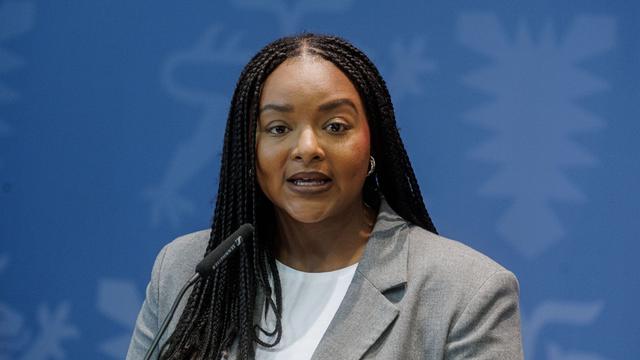
Social Affairs Minister Aminata Touré emphasized the proactive nature of the reform, stating, "Equality does not happen by itself. It requires clear rules and strong structures in addition to political conviction." The proposed legislative changes aim to create binding obligations, ensuring that equality is a consideration within the public service's operational structures.
Equality does not happen by itself. It requires clear rules and strong structures in addition to political conviction.
A significant aspect of the reform mandates equal representation for men and women in various bodies, including commissions, advisory boards, committees, executive boards, and supervisory and administrative councils. "From now on, men and women must be equally represented in these bodies," Touré explained.
Furthermore, the legislation introduces enhanced protections against workplace sexual harassment. It clarifies that all forms of sexual harassment are not only prohibited but must also lead to professional consequences, which can include disciplinary, labor, or personnel actions. Crucially, in cases of harassment, the perpetrator, rather than the victim, will be prioritized for a workplace transfer.
From now on, men and women must be equally represented in these bodies.
DistantNews Editorial
Originally published by Die Zeit in German. Translated, summarized, and contextualized by our editorial team with added local perspective. Read our editorial standards.
More Stories


From Our Blog

What Gets Lost (and Found) When News Is Translated

How the Same Story Looks Different in Different Countries

The Critical Role of Diaspora Media in Global News

What Travellers Should Know About Countries with Restricted Press

A Digital Nomad's Guide to Following Local News
