


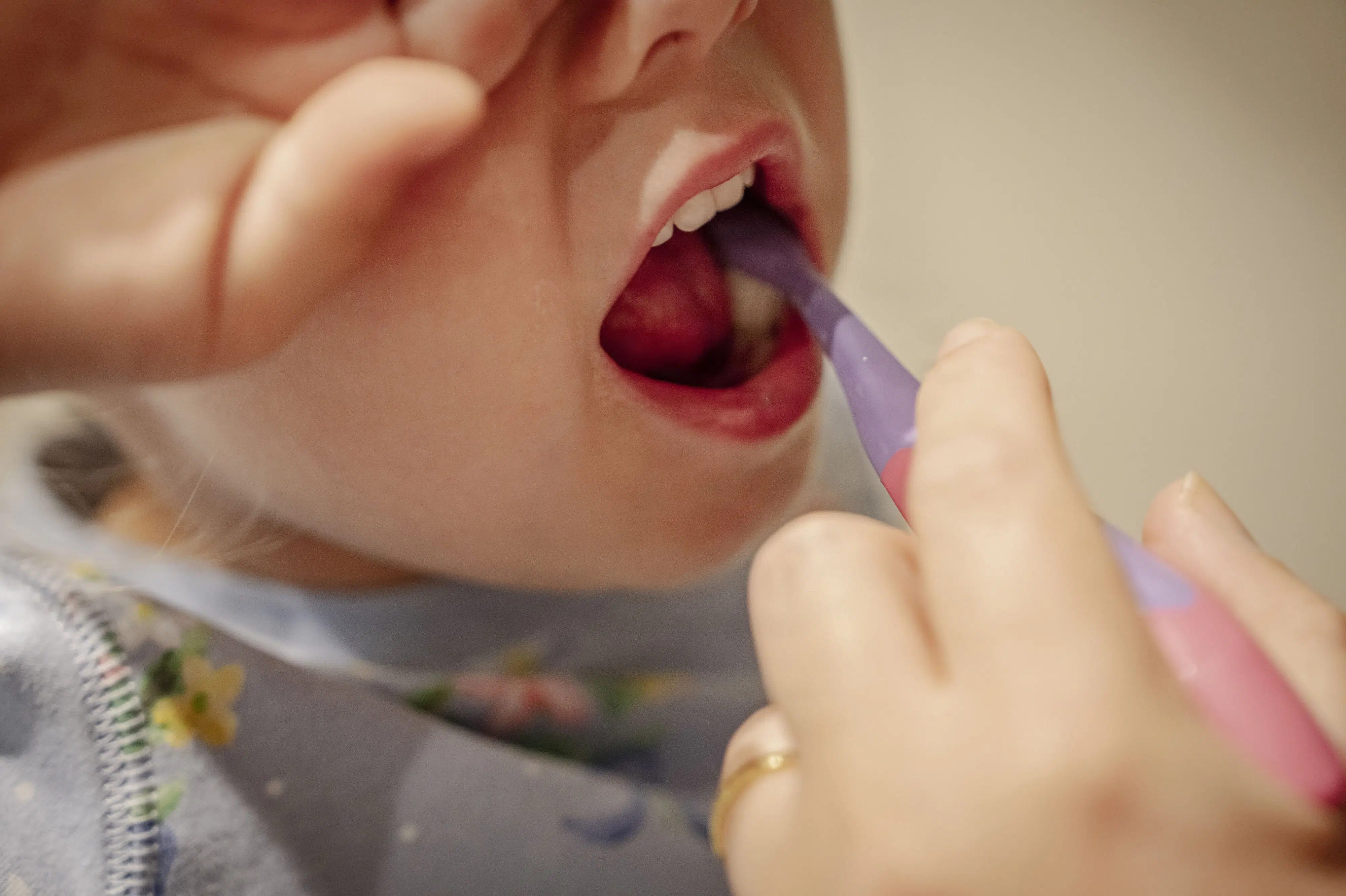
School Dental Care and Fluoride Significantly Improve Teeth in Old Age
Translated from Danish, summarized and contextualized by DistantNews.
At a glance
News
From a news agency
Context piece
- Children who received municipal school dental care have a lower risk of poor dental health in old age.
- Growing up in areas with high fluoride in drinking water also reduces this risk.
- The analysis highlights the long-term impact of early dental interventions.
A new analysis reveals that access to municipal school dental care significantly reduces the risk of poor dental health in old age. This benefit is comparable to growing up in areas with naturally high fluoride levels in drinking water. The findings come from Vive, the National Research and Analysis Center for Welfare, in collaboration with i2minds.
Researchers found that among current 70-year-olds, those who did not have access to school dental care as children face approximately a 30 percent higher risk of poor dental status. Jakob Kjellberg, a professor of health economics at Vive and lead author of the report, emphasized the unusual clarity and longevity of this effect. "The effect of school dental care here stands out so clearly after so many decades, which is very unusual," he stated.
The effect of school dental care here stands out so clearly after so many decades, which is very unusual.
Anni Rønman, deputy chair of the Danish Dental Association, called the introduction of school dental care one of Denmark's greatest public health successes. She noted its role in preventing not only dental diseases but also systemic health issues. The analysis also pointed to the importance of drinking water fluoride content, with individuals growing up in areas with at least 0.3 milligrams of fluoride per liter showing a 30-50 percent lower risk of poor dental status.
These results emerge as the Danish government aims to eliminate patient co-payments for dental care within ten years. However, Kjellberg cautioned that increased demand could strain resources if the number of dentists does not keep pace. He warned of a potential risk where dentists might concentrate in urban areas, leaving those in more remote regions underserved. The Danish Dental Association reports that several municipalities already struggle to recruit dentists for their public dental services.
There is a risk that dentists will gather in the big cities, where there are the most healthy citizens, while those most in need in the peripheral areas are left in the lurch.
DistantNews Editorial
Originally published by Berlingske in Danish. Translated, summarized, and contextualized by our editorial team with added local perspective. Read our editorial standards.
More Stories



From Our Blog

What Gets Lost (and Found) When News Is Translated

The Critical Role of Diaspora Media in Global News

What Travellers Should Know About Countries with Restricted Press

A Digital Nomad's Guide to Following Local News

How the Same Story Looks Different in Different Countries
