




School starts, and so does parents’ “second job”: How to adjust schedules without taking leave
Translated from Romanian and summarized by DistantNews. Read the original for the full story.
At a glance
In-depth
Named sources
Context piece
- The start of the school year forces parents to balance school routines with work commitments.
- Coach Madi Rădulescu recommends temporary schedule flexibility, rather than automatically using annual leave.
- She says parents of younger children may need one or two weeks of adjusted hours before returning to normal.
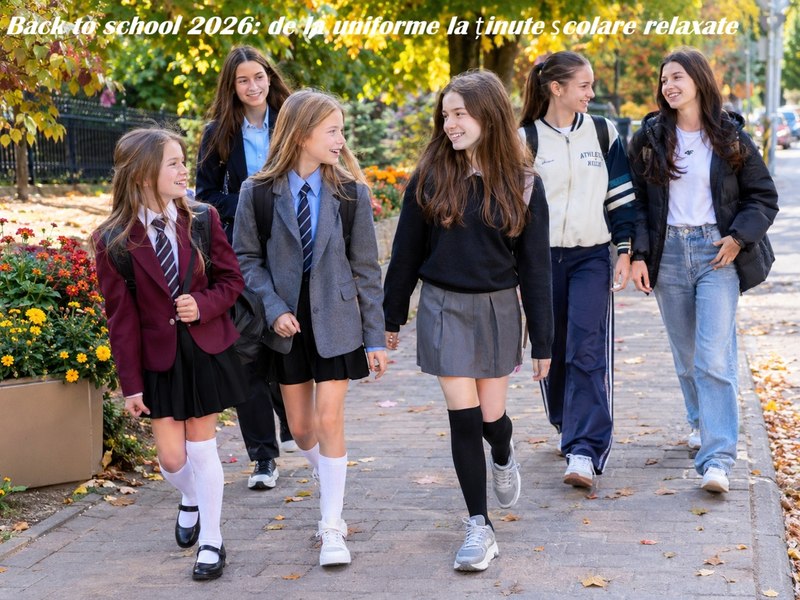
The start of the school year brings parents a second job. Earlier mornings, the trip to school, homework and extracurricular activities must once again fit around meetings, deadlines and hours at work.
That raises a practical question for many families: should parents save a few days of annual leave for September, or can they manage the transition through a more flexible schedule? Madi Rădulescu, a Master Certified Coach and managing partner at MMM Consulting International, says flexibility can help, but it does not necessarily mean taking full days off.
In her view, parents may need half-days that allow them to take a child to school in the morning, reorganize their commute and return home earlier. Hybrid workers could start later, at 10 a.m. or even 10:30 a.m., during the first days. The aim is to adjust the child’s schedule without abandoning the rest of the working day.
From my perspective, flexibility during these days means being able to take more flexible half-days, to take your child to school in the morning and reorganize your schedule for getting to the office or returning home.
Rădulescu does not automatically recommend using annual leave. After the morning traffic and school drop-off, she says, the parent’s workday continues independently. The first weeks at school can also be less demanding for children, with fewer classes, review sessions and a gradual return to routine. Taking leave, she argues, may sometimes reflect stress parents impose on themselves.
Her preferred option is partial flexibility for one or two weeks, combined with realistic expectations about how much work can be done during the transition. Companies are generally understanding toward parents of kindergarten and primary-school children, she says. Older pupils tend to be more independent and usually do not require parents to take leave.
Personally, I would choose partial flexibility for a week or two, allowing things to return to normal, but with realistic expectations for the first two weeks of school.
About this summary
Originally published by Adevărul in Romanian. Translated, summarized, and contextualized automatically by DistantNews, with a note on how the source frames the story. Not individually reviewed before publishing. How this works.
More Stories


From Our Blog

News in Translation: What Gets Lost, and How We Keep the Framing

Diaspora Media: How Communities Follow News From Home

Traveling Where the Press Is Not Free: How to Read the News There

The Digital Nomad's Guide to Local News

The Same Story, Different Countries: How Coverage Changes at the Border
