


Science Re-evaluates Full-Fat Dairy: New Evidence Challenges Old Advice
Translated from Spanish, summarized and contextualized by DistantNews.
At a glance
News
Sources not specified
Context piece
- Recent scientific evidence is revising the long-held belief that full-fat dairy products are detrimental to cardiometabolic health.
- A ten-year study found no significant link between consuming full-fat dairy and negative health outcomes, with some even showing favorable effects.
- The concept of the 'food matrix' suggests that the interaction of components within whole foods, like full-fat dairy, influences health differently than isolated nutrients.
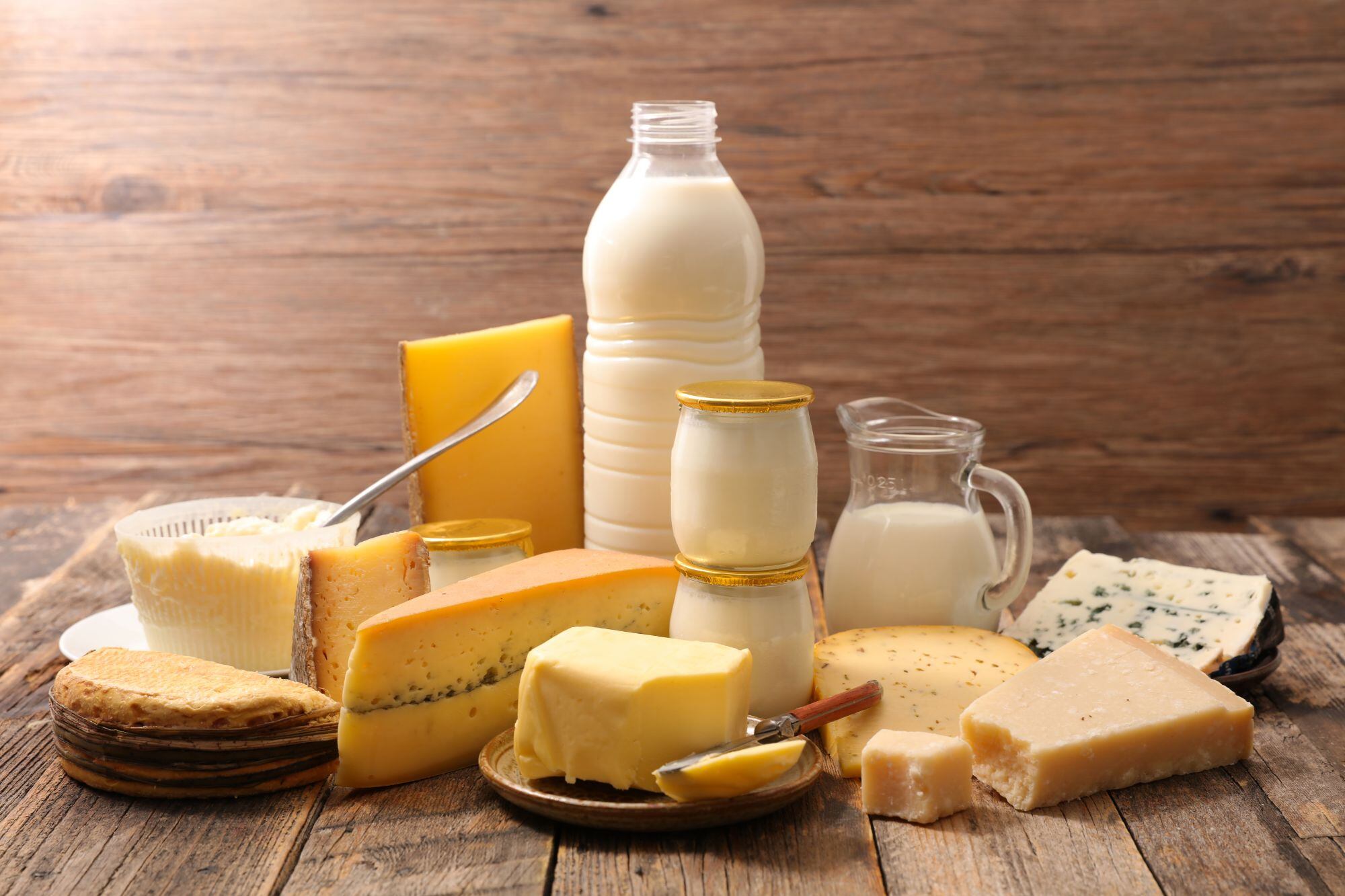
For decades, nutritional advice strongly favored low-fat dairy products, viewing full-fat options like whole milk, natural yogurt, and cheese with suspicion due to concerns about saturated fats and cardiometabolic risks. However, emerging scientific evidence is challenging this long-standing paradigm.
A recent decade-long study conducted by the University of Vermont and published in Frontiers in Nutrition analyzed the relationship between full-fat dairy consumption and various health indicators, including obesity, inflammation, diabetes, blood pressure, cholesterol levels, and cardiovascular risk. The findings were notable: in most cases, no significant adverse effects were identified. In fact, some aspects of the research even suggested favorable health impacts, particularly concerning milk and yogurt consumption.
The scientific evidence is evolving towards a much broader understanding of foods. Today we know that it is not enough to analyze an isolated nutrient; the structure of the food, its matrix, and the interaction between its components also matter.
Experts from PROFENI, an organization focused on childhood nutrition in Argentina, view these findings as part of a broader shift in nutritional science. María Elena Torresani, a nutritionist and member of PROFENI, explained that modern understanding moves beyond analyzing single nutrients. It now emphasizes the importance of the food's structure, its 'matrix,' and how its various components interact.
This 'food matrix' concept is crucial. In full-fat dairy, fats are not isolated but are accompanied by a complex mix of medium- and short-chain fatty acids, phospholipids, and sterols, all organized within specific microscopic structures. This intricate architecture, according to current research, leads to a different physiological effect compared to consuming individual components separately. The medium- and short-chain fatty acids, for instance, are readily used for energy and are less likely to accumulate as body fat, while also demonstrating potential antiviral and antibacterial properties. Butyric acid, a component of milk fat, is particularly noted for its benefits to gut health, including anti-inflammatory effects and support for intestinal integrity.
The fat in dairy contains medium and short-chain fatty acids that are used as a quick energy source and have little tendency to accumulate in adipose tissue. They also do not impact blood cholesterol in the same way and have documented antiviral and antibacterial activities.
DistantNews Editorial
Originally published by La Nación in Spanish. Translated, summarized, and contextualized by our editorial team with added local perspective. Read our editorial standards.
More Stories



From Our Blog

What Gets Lost (and Found) When News Is Translated

The Critical Role of Diaspora Media in Global News

What Travellers Should Know About Countries with Restricted Press

A Digital Nomad's Guide to Following Local News

How the Same Story Looks Different in Different Countries
