


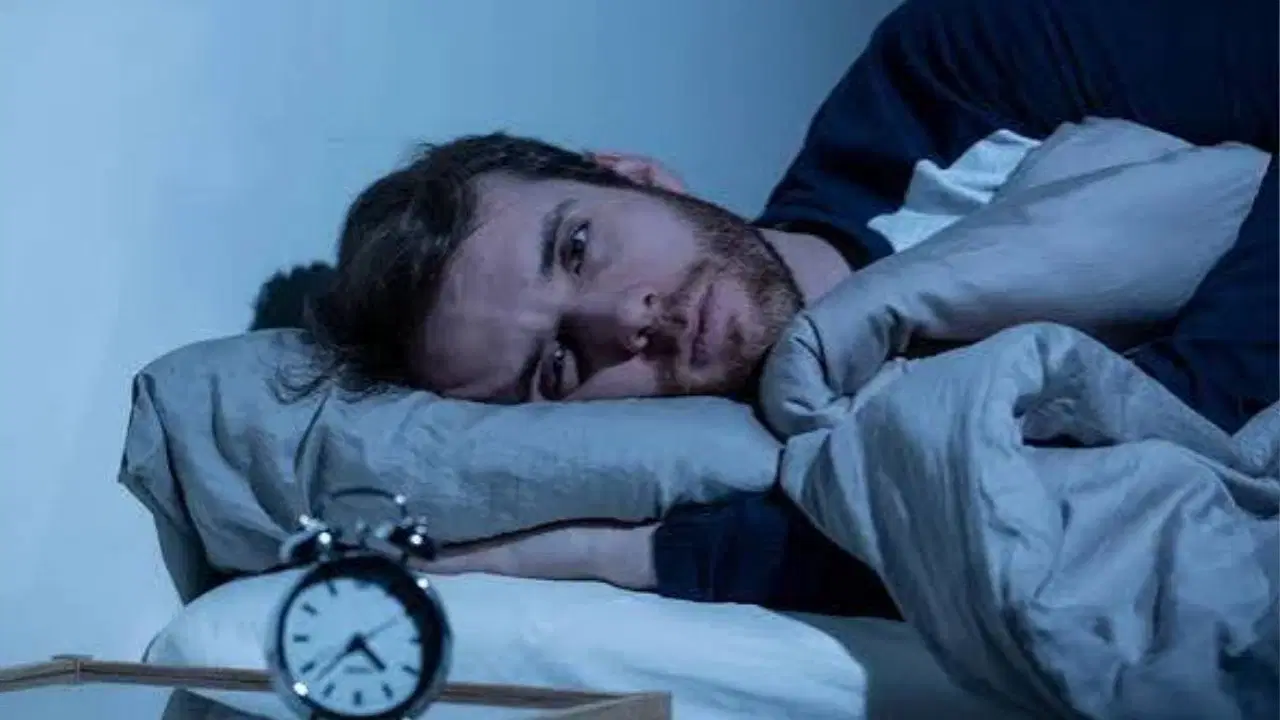
Scientists Decode 'First Night Effect': Why Sleep Evades Us in New Places
Translated from Turkish, summarized and contextualized by DistantNews.
At a glance
News
From a news agency
Context piece
- Scientists have explained the 'First Night Effect,' where people struggle to sleep in unfamiliar environments, as a survival instinct.
- The brain remains partially awake in new surroundings, similar to how dolphins sleep, to detect potential dangers.
- Experts recommend using familiar items, adapting to the room before sleeping, and maintaining sleep hygiene to mitigate the effect.
Ever found yourself tossing and turning on your first night in a new hotel room or a friend's guest bed? You're not alone. Scientists have now unraveled the mystery behind the 'First Night Effect,' revealing it's not just personal restlessness but a deep-seated survival instinct.
This situation, called the 'First Night Effect' in medical literature, stems from the brain remaining on alert for dangers in unfamiliar environments.
Researchers from the University of Freiburg and the University of Pittsburgh conducted extensive neurological studies, demonstrating that our brains remain on high alert in unfamiliar environments. This phenomenon, known in medical literature as the 'First Night Effect,' causes the brain's left hemisphere to stay more active during sleep. It's akin to the way marine mammals like dolphins sleep, keeping one half of their brain alert to potential threats.
When humans sleep in a new environment, they sleep on average 20 to 30 minutes less and have difficulty entering the restorative deep sleep stage.
This heightened vigilance means people tend to sleep less deeply and wake more frequently in new places. Studies show that young adults are less affected, while children, adolescents, and the elderly experience the effect more intensely. The brain, programmed through evolution to avoid sleeping in dangerous territories, doesn't differentiate between a primitive cave and a modern hotel room; the subconscious remains on guard.
The human brain, in a foreign environment, prevents full-capacity sleep due to a sense of danger.
Adding to this primal response is psychological anxiety. The worry of not sleeping can become a self-fulfilling prophecy, triggering stress hormones and reinforcing wakefulness. To combat this, experts suggest bringing familiar items like your own pillow or a comforting scent, spending time acclimatizing to the room before attempting sleep, and adhering to good sleep hygiene practices such as keeping the room dark and cool, and avoiding screens before bed. Planning to arrive a day before an important event can also give your body crucial time to adjust.
Even if the safety of a place is physically ensured, the subconscious continues to maintain a state of alertness.
DistantNews Editorial
Originally published by Cumhuriyet in Turkish. Translated, summarized, and contextualized by our editorial team with added local perspective. Read our editorial standards.
More Stories



From Our Blog

What Gets Lost (and Found) When News Is Translated

The Critical Role of Diaspora Media in Global News

What Travellers Should Know About Countries with Restricted Press

A Digital Nomad's Guide to Following Local News

How the Same Story Looks Different in Different Countries
