


Scientists Seek New Species in Adriatic Sea to Monitor Invasive Threats
Translated from Croatian, summarized and contextualized by DistantNews.
At a glance
News
Sources not specified
Context piece
- Scientists are tracking invasive species in the Adriatic Sea as part of the ALIENA project to monitor their spread and impact.
- Invasive species can outcompete native organisms for food and habitat, potentially altering the marine ecosystem.
- Early detection and a coordinated monitoring system between Croatia and Italy aim to assess risks and enable timely responses.
Scientists are actively monitoring the Adriatic Sea for invasive species, aiming to understand their proliferation and potential ecological impact. The ALIENA project, a collaboration between Croatian and Italian institutions, is developing a unified system for tracking and early warning of non-indigenous species in the region.
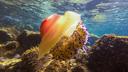
These introduced species pose a threat to native Adriatic organisms by competing for essential resources like food and habitat. Dr. sc. Daniela Marić Pfannkuchen from the Ruđer Bošković Institute (IRB) highlighted that invasive species can reduce the availability of food for native populations, impacting commercially important fish stocks. The comb jelly, a species originating from the western Atlantic now found in the Adriatic, is one example being studied for its potential to deplete food sources.
Invasive species can be competitors to native Adriatic species for food, habitat, and other resources. For example, if they consume the same food source, less remains for native species, which is important for species like small blue fish, a resource used for centuries.
The project emphasizes the need for more than just identifying new arrivals. Researchers are tracking the geographical spread and population density of these species, noting patterns such as southward to northward movement or appearance in specific ports via ballast water. This detailed tracking is crucial for understanding invasion dynamics.
Early detection is vital for both scientific understanding and institutional response. When new species appear, regulations may need adaptation to manage or remove them. The ALIENA project aims to create a shared knowledge base and a more coordinated monitoring approach. This will help scientists and authorities assess risks more effectively and react promptly when possible. The IRB also encourages public participation, asking citizens to report sightings of unusual organisms with photos and location data via the Crafting the Sea app.
If an invasion starts in the south of the Adriatic, we can track whether it moves north year by year. For species arriving via ballast water, the pattern can be completely different because they can appear directly in a port and establish a population there.
DistantNews Editorial
Originally published by Večernji List in Croatian. Translated, summarized, and contextualized by our editorial team with added local perspective. Read our editorial standards.
More Stories


From Our Blog

What Gets Lost (and Found) When News Is Translated

The Critical Role of Diaspora Media in Global News

What Travellers Should Know About Countries with Restricted Press

A Digital Nomad's Guide to Following Local News

How the Same Story Looks Different in Different Countries
