


Scientists showed horses silent videos of wolves and found their hearts raced even when...
Summarized and contextualized by DistantNews.
At a glance
News
Named sources
Context piece
- Horses can instantly recognize predators from silent videos, experiencing internal stress and elevated heart rates.
- Despite significant internal physiological responses, horses exhibit remarkable behavioral restraint, showing minimal visible signs of fear.
- This disconnect between internal stress and external calmness could impact animal welfare and rider safety, according to a new study.
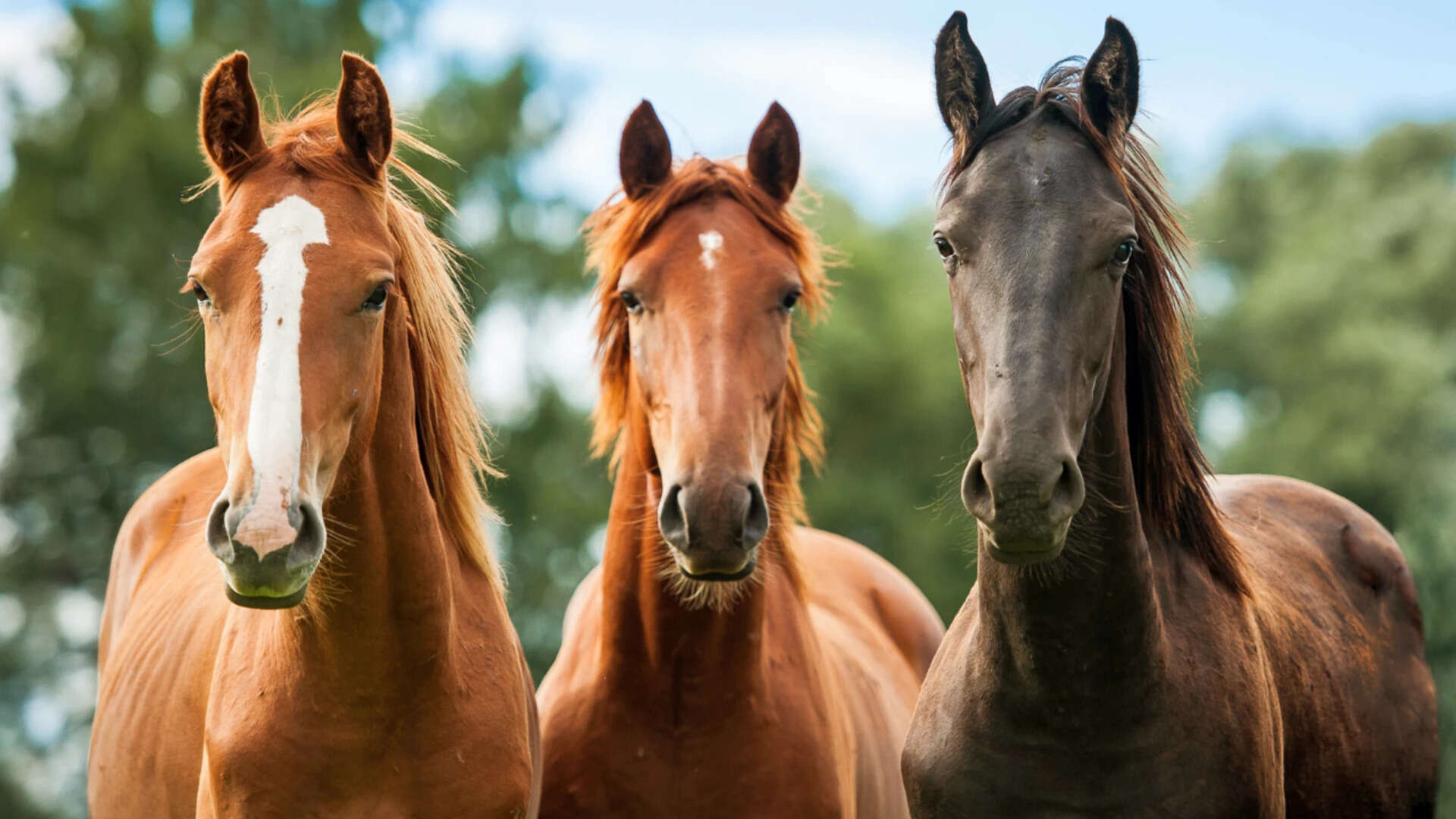
Horses possess a hidden 'poker face' when confronting danger, maintaining outward calm even as their hearts race due to severe internal stress. A study from The Ohio State University reveals that horses can immediately identify predators from silent video footage, without relying on smells, sounds, or prior experiences.
Researchers found that despite feeling stressed, the horses displayed almost no visible signs of fear. They remained physically composed, leaving handlers unaware of their internal turmoil. "Rather than just spooking, horses show remarkable cognitive restraint when evaluating a potential threat," stated lead author Zeynep Benderlioglu. "And not all fear or stress will result in overt behavior. They're not in fight-or-flight mode, but they're assessing, and they're doing it in a remarkably fast way. But their hearts are racing at the same time."
Rather than just spooking, horses show remarkable cognitive restraint when evaluating a potential threat. And not all fear or stress will result in overt behavior. They're not in fight-or-flight mode, but they're assessing, and they're doing it in a remarkably fast way. But their hearts are racing at the same time.
The study, published in PLOS One, highlights a significant gap between a horse's internal feelings and its observable behavior. This discrepancy could have implications for both animal welfare and the safety of riders. The research involved 18 horses of various ages, breeds, and sexes, each fitted with an equine heart monitor while watching silent video clips.
While observing peaceful wombats, the horses maintained a normal resting heart rate. However, their heart rates surged upon the appearance of wolves, regardless of whether the wolves were fighting or grooming. "I expected the horses would differentiate the fighting videos from the grooming videos, but they didn't. They had high alertness and a higher heart rate compared to baseline and wombats when looking at both grooming and fighting wolves," Benderlioglu explained. This suggests a generalized alert response to the presence of a predator, irrespective of its specific activity.
I expected the horses would differentiate the fighting videos from the grooming videos, but they didn't. They had high alertness and a higher heart rate compared to baseline and wombats when looking at both grooming and fighting wolves.
DistantNews Editorial
Originally published by Times of India. Summarized and contextualized by our editorial team with added local perspective. Read our editorial standards.
More Stories


From Our Blog

What Press Freedom Means for the News You Read

What Gets Lost (and Found) When News Is Translated

The Critical Role of Diaspora Media in Global News

What Travellers Should Know About Countries with Restricted Press

A Digital Nomad's Guide to Following Local News
