


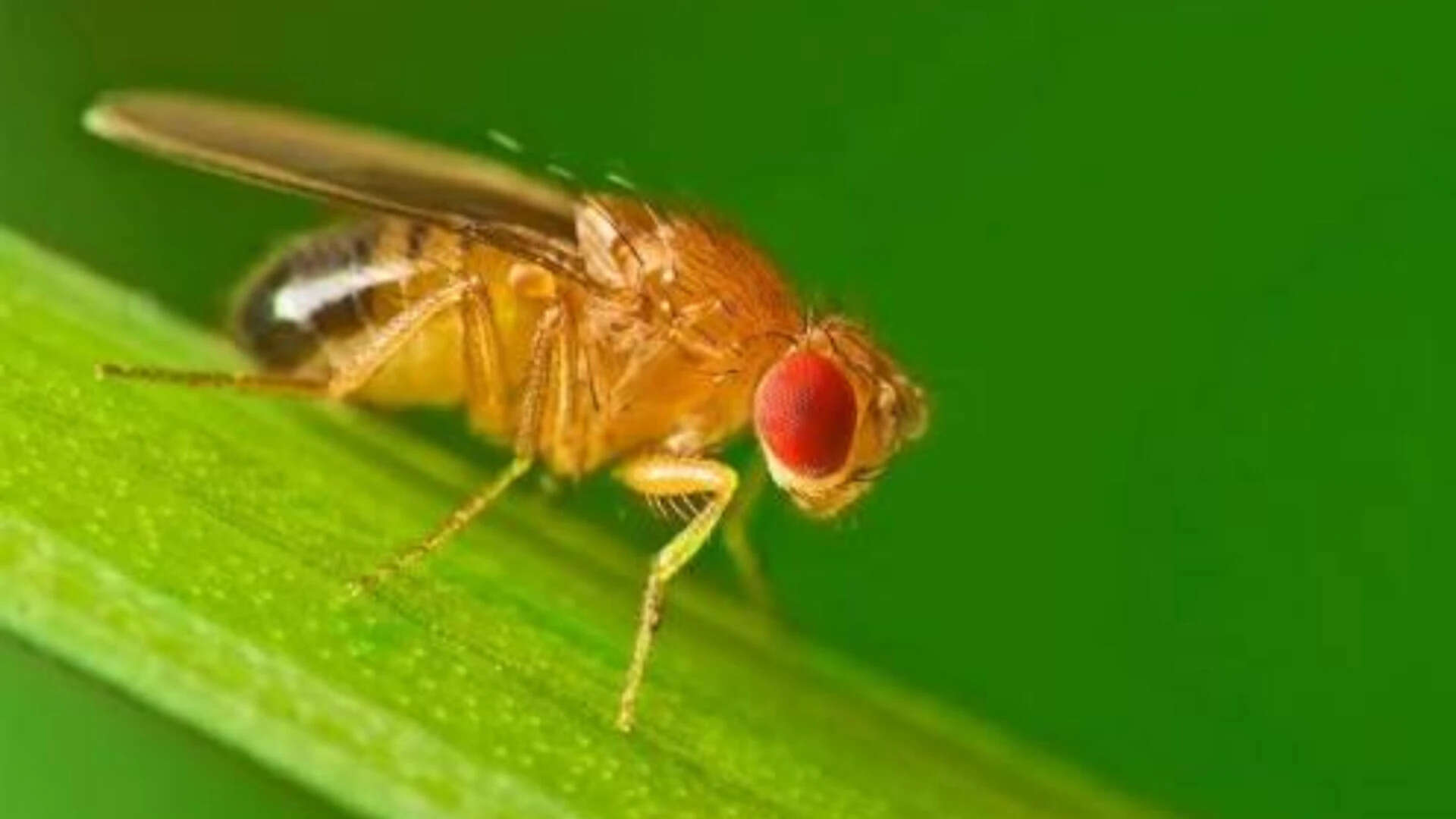
Scientists studied found flies rebuild their biological clock into a separate seasonal mode
Summarized and contextualized by DistantNews.
At a glance
News
Sources not specified
Context piece
- Scientists discovered fruit flies enter a dormant state during winter using a 'winter lock' genetic mechanism.
- This adaptation allows flies to remain inactive until warmer temperatures return.
- The findings could lead to new pest control methods and improve understanding of human seasonal health.
Scientists have uncovered a fascinating survival strategy in fruit flies, revealing how they adapt their internal biological clocks to endure winter. Through a genetic mechanism dubbed the 'winter lock,' these insects can enter a state of dormancy, effectively pausing their biological activity until warmer weather signals their reawakening.
This seasonal shift in their molecular structure allows fruit flies to conserve energy and survive the harsh conditions of winter. The adaptation ensures they remain inactive, preventing them from expending resources when food is scarce and temperatures are low.
The implications of this discovery extend beyond entomology. Researchers believe these insights could pave the way for innovative pest control strategies, offering more targeted and potentially environmentally friendly methods. Furthermore, understanding this biological clock mechanism may enhance our knowledge of how seasonal variations affect human health issues, opening new avenues for research.
DistantNews Editorial
Originally published by Times of India. Summarized and contextualized by our editorial team with added local perspective. Read our editorial standards.
More Stories


From Our Blog

What Press Freedom Means for the News You Read

What Gets Lost (and Found) When News Is Translated

The Critical Role of Diaspora Media in Global News

What Travellers Should Know About Countries with Restricted Press

A Digital Nomad's Guide to Following Local News
