


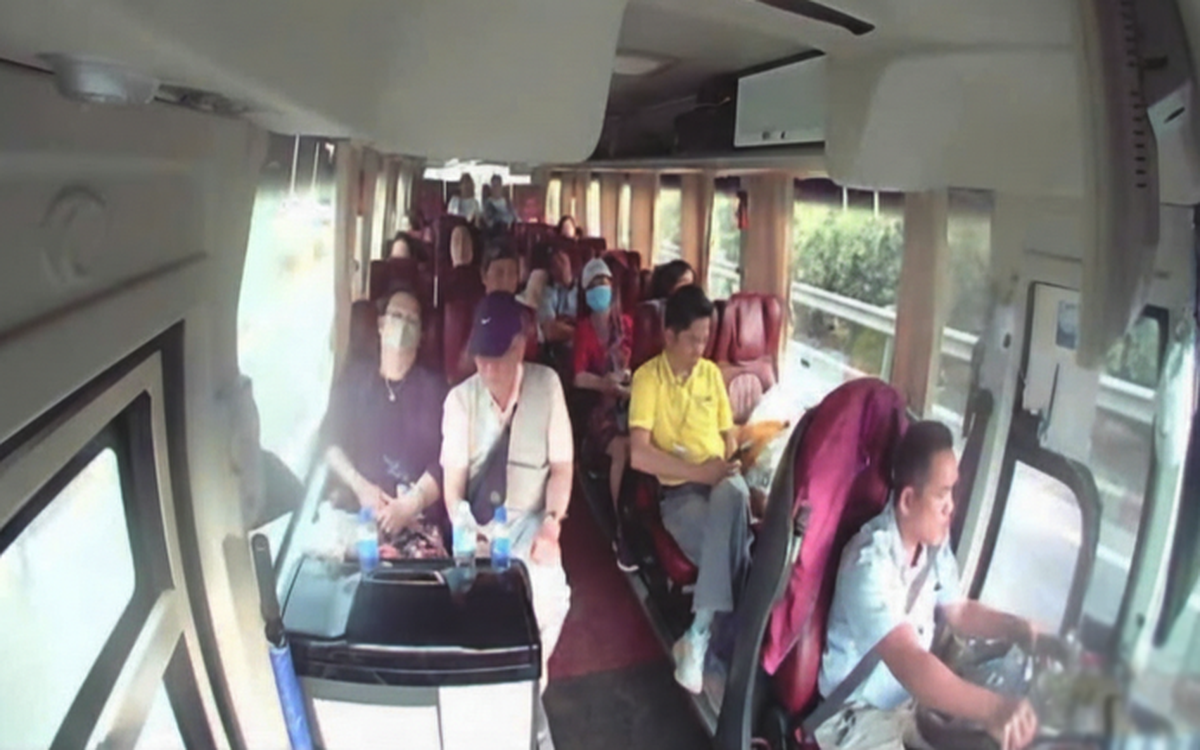
Seat Belt Fines: Driver or Transport Company Liable When Belts Are Missing?
Translated from Vietnamese, summarized and contextualized by DistantNews.
TLDR
- Vietnam's Road Traffic Order and Safety Law mandates seat belts in passenger vehicles, with specific regulations for commercial transport.
- Drivers and transport businesses face fines if vehicles lack required seat belts, while passengers are not penalized if the absence prevents them from fastening.
- Drivers have the right to refuse operating unsafe vehicles, and passengers can refuse rides and demand refunds if seat belts are missing.
The recent clarification on seat belt regulations in Vietnam highlights a crucial aspect of road safety that directly impacts both passengers and transport providers. As mandated by the Law on Road Traffic Order and Safety, the presence of seat belts in all passenger seats, except for inter-provincial buses, is not merely a suggestion but a legal requirement.
Passengers on vehicles who do not comply with fastening seat belts will be handled.
This regulation underscores the government's commitment to enhancing passenger safety. The penalties outlined in Decree 168/2024 are significant, targeting both individual drivers and the businesses operating these vehicles. Fines for transport businesses range from 3 to 4 million VND for lacking seat belts, with an additional requirement to install them. Drivers caught operating such vehicles face fines between 600,000 and 800,000 VND.
Drivers have the right to refuse to drive when they discover the vehicle does not meet safety conditions.
Crucially, the law protects passengers. If a vehicle is not equipped with seat belts, passengers cannot be penalized for not wearing them. Furthermore, passengers retain the right to refuse a journey and request a refund if the vehicle does not meet safety standards, including the provision of seat belts. This empowers travelers and reinforces the responsibility of transport operators to provide safe and compliant services. From a Vietnamese perspective, this is not just about compliance; it's about fostering a culture of safety on our roads, where every passenger's well-being is paramount and legally protected.
Passengers have the right to refuse the trip before the vehicle departs and receive a refund according to regulations.
DistantNews Editorial
Originally published by Tuổi Trẻ in Vietnamese. Translated, summarized, and contextualized by our editorial team with added local perspective. Read our editorial standards.
More Stories



From Our Blog

What Gets Lost (and Found) When News Is Translated

The Critical Role of Diaspora Media in Global News

What Travellers Should Know About Countries with Restricted Press

A Digital Nomad's Guide to Following Local News

How the Same Story Looks Different in Different Countries
