


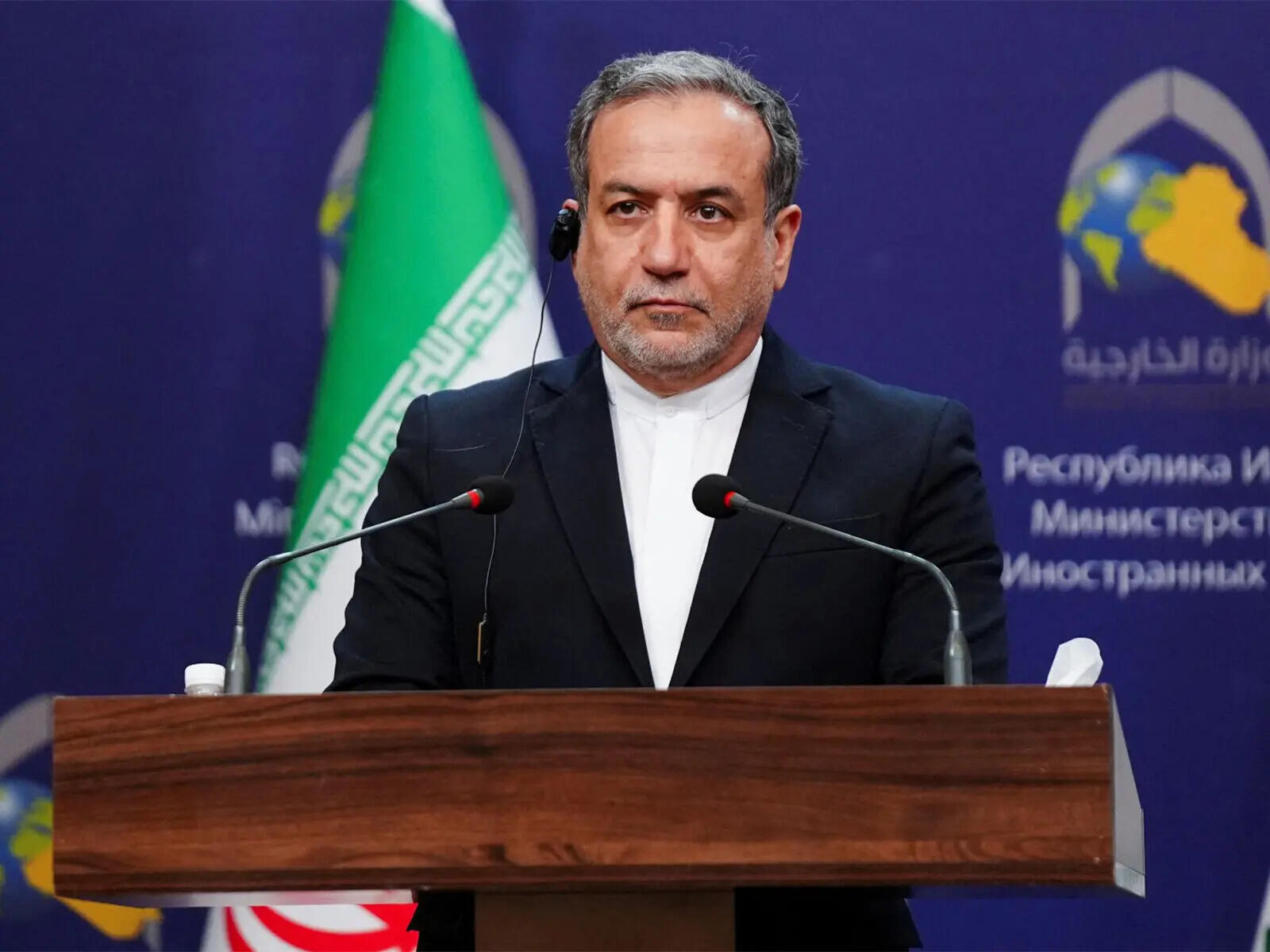
'Security hole' enabled US-Israel bombing of Ayatollah’s residence: Iran minister
Translated from English, summarized and contextualized by DistantNews.
At a glance
News
Sources not specified
Context piece
- Iran's foreign minister claims a "security hole" allowed the US and Israel to bomb Ayatollah Ali Khamenei's residence.
- Abbas Araghchi stated the breach remains active and influences decision-making and psychological warfare.
- He alleged the attackers knew Khamenei's routine and that a regional leader had warned of targeted attacks on leadership.
Iranian Foreign Minister Seyyed Abbas Araghchi has asserted that a persistent "security hole" facilitated the bombing of Ayatollah Ali Khamenei's residence, an attack that killed the then-Supreme Leader. Araghchi claims this vulnerability remains active and has influenced decision-making processes during the conflict.
The bombing of the residence took place through a security hole, and this security hole still exists. This security hole also has an impact on the direction of decision-making.
Speaking in a documentary titled "War Adventure 2," Araghchi alleged that the breach provided the United States and Israel with intelligence on high-level Iranian meetings. "The enemy knew about these meetings, and the reason for that is probably the security hole that may still exist and that the security forces are looking for," he stated, suggesting the hole is active not only in information gathering but also in directing decisions and shaping the psychological landscape.
The enemy knew about these meetings, and the reason for that is probably the security hole that may still exist and that the security forces are looking for.
Araghchi further claimed that the attackers were aware of Khamenei's daily schedule, enabling them to target his office precisely. He also revealed that an unnamed regional leader had previously warned him about impending attacks on Iran's leadership, advising against retaliation. "One of the regional leaders happily told me that war was certain and asked us not to respond because they were targeting the leadership," Araghchi recounted.
I believe that they knew that the gentleman was in his office every morning and that the target was within reach. The enemies realised that the commanders' meeting was being held near him, and for this reason, they chose that moment to attack.
The minister also suggested that the US miscalculated the potential impact of eliminating Iran's leadership, drawing parallels to the situation in Venezuela. He noted that US officials had advised regional countries to wait out the conflict, believing it would end the Iranian system. Araghchi concluded by praising his colleagues for remaining at the Foreign Ministry throughout the war, despite the risks, and continuing to use mobile phones for communication.
One of the regional leaders happily told me that war was certain and asked us not to respond because they were targeting the leadership.
DistantNews Editorial
Originally published by Times of India in English. Translated, summarized, and contextualized by our editorial team with added local perspective. Read our editorial standards.
More Stories
From Our Blog

What Press Freedom Means for the News You Read

What Gets Lost (and Found) When News Is Translated

The Critical Role of Diaspora Media in Global News

What Travellers Should Know About Countries with Restricted Press

A Digital Nomad's Guide to Following Local News
