

Security without safety
Summarized and contextualized by DistantNews.
At a glance
Analysis
Sources not specified
Context piece
- Pakistan faces a complex and worsening security landscape marked by ethnic conflicts, terrorism, organized crime, and political violence.
- Urban crime has surged, and the lines between criminal and militant economies are blurring, impacting citizens' security and economic growth.
- The country's policing system remains outdated and politically influenced, with authorities increasingly relying on coercive legislation instead of professional reforms.
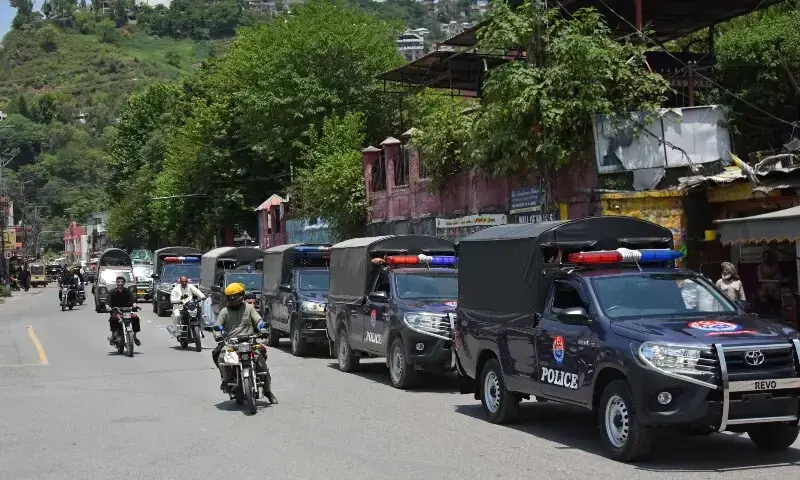
Pakistan grapples with a persistently challenging law-and-order situation that has evolved into a multifaceted security crisis over the past three decades. The nation has long contended with ethnic conflicts, religiously motivated terrorism, tribal feuds, organized crime, and political violence, exacerbated by a weak policing system.
In recent years, particularly the last five, major urban centers once considered safe have experienced a significant deterioration. Violent crime, extortion, targeted killings, cyber-enabled criminality, and sporadic terrorist attacks are increasingly common. The traditional distinction between militancy and criminal activity is blurring as terrorist organizations leverage criminal networks for funding and logistics, while criminal gangs exploit conflict zones for profit.
This complex security environment directly impacts not only citizens' safety but also economic growth, investment, social cohesion, and the legitimacy of the state. While major cities continue to function economically, perceptions of insecurity are escalating. Crimes such as vehicle theft, abductions, fraud, drug trafficking, sexual violence, and organized robberies are serious concerns. Kidnapping for ransom is re-emerging as a significant threat in Balochistan and Khyber Pakhtunkhwa, with similar trends observed in Sindh and Punjab.
Compounding these issues, Pakistan's policing system remains largely unchanged from its colonial-era structure. Despite promises of reform from successive governments, political interference, administrative weaknesses, and institutional neglect have hindered modernization. The police often function as a political tool rather than an independent public service. Instead of investing in accountable policing, authorities are increasingly turning to coercive legislation, such as the proposed Punjab Control of Habitual Offenders and Anti-Social Behavior Bill, 2026, which grants extensive powers to executive committees dominated by police and intelligence officials.
DistantNews Editorial
Originally published by Dawn. Summarized and contextualized by our editorial team with added local perspective. Read our editorial standards.
More Stories



From Our Blog

What Gets Lost (and Found) When News Is Translated

The Critical Role of Diaspora Media in Global News

What Travellers Should Know About Countries with Restricted Press

A Digital Nomad's Guide to Following Local News

How the Same Story Looks Different in Different Countries
