

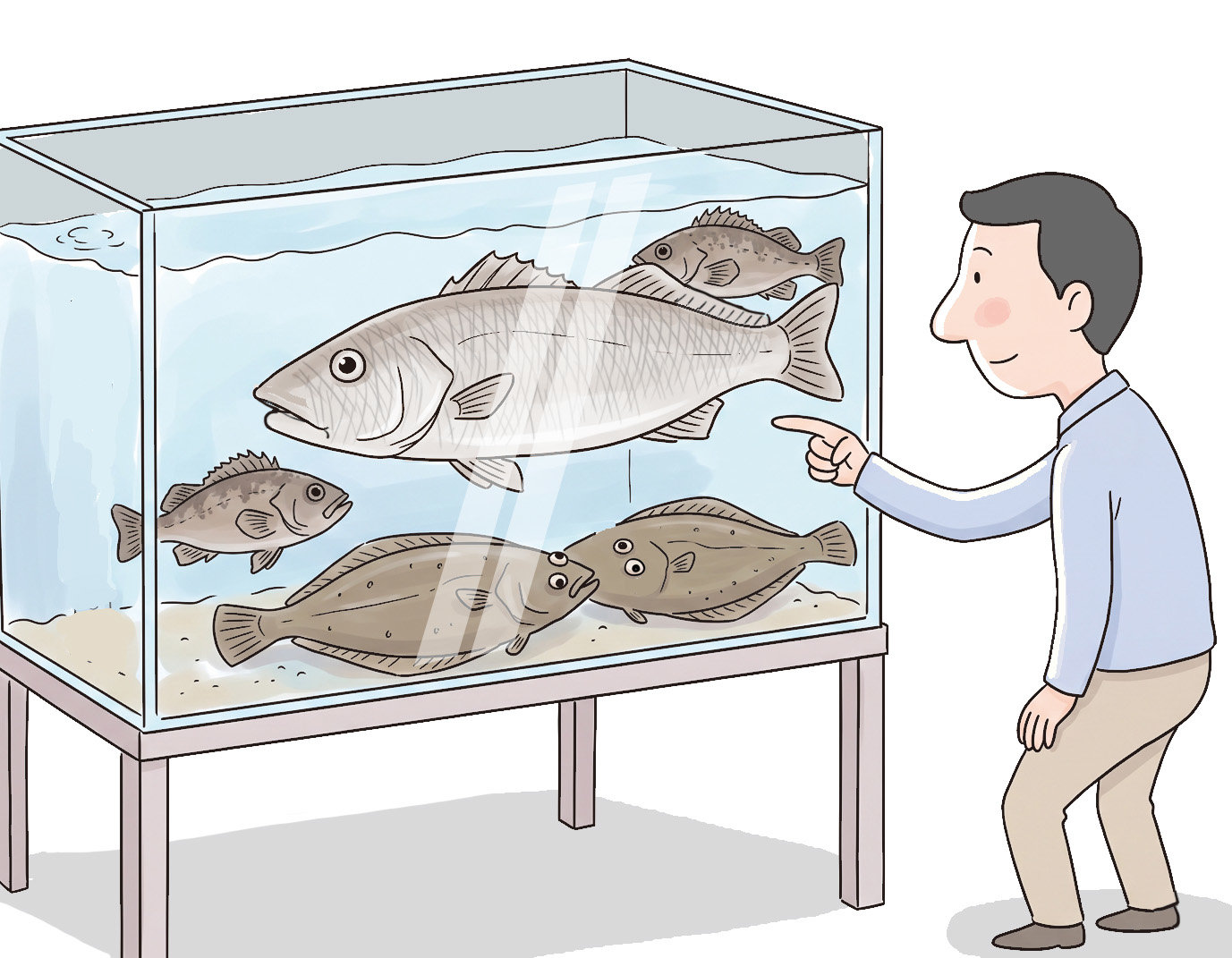
![Self-Censorship in the Name of Humility [Jeong Deok-eon's Map of the Mind]](https://dimg.donga.com/wps/NEWS/IMAGE/2026/06/16/134125286.1.png)
Self-Censorship in the Name of Humility [Jeong Deok-eon's Map of the Mind]
Translated from Korean, summarized and contextualized by DistantNews.
At a glance
Analysis
Sources not specified
Context piece
- Many people suffer from excessive humility, often leading them to underestimate their abilities and avoid challenges.
- This self-imposed limitation stems from a fear of failure and a deep-seated inner critic that questions one's capabilities.
- True humility involves accepting one's potential and limitations, rather than using self-deprecation as a shield against perceived judgment.
Humility is widely regarded as a virtue, encouraging individuals to avoid self-promotion and guard against arrogance. However, this societal expectation can paradoxically lead many to suffer from a form of self-imposed censorship, where they habitually underestimate their own capabilities. This tendency is particularly evident when individuals face tasks they are perfectly capable of completing, yet they demur with phrases like, "I'm not good enough yet."
I can't do it.
Beneath this veneer of humility often lies a profound fear of failure. Individuals may shy away from opportunities not due to a lack of skill, but because they dread the possibility of imperfection in their achievements. They struggle to believe that repeated effort can lead to mastery and are hesitant to begin, fearing that any outcome, even success, will inevitably contain flaws. This avoidance leads to a self-perpetuating cycle where inaction is rationalized as safety, a failure to acknowledge that not trying is also a form of failure.
It was purely luck," or "It just happened by chance.
This internal struggle is often fueled by a relentless inner critic. Voices like, "You can't do that," or "It's too risky, you'll fail," can dominate one's thoughts, leading to a negative self-image. Each perceived flaw or setback reinforces this critical narrative, creating a self-fulfilling prophecy of inadequacy. Even accomplishments are often dismissed as mere luck or coincidence, diminishing one's sense of agency and self-worth.
You can't do it," or "It's too dangerous; it's safer to stop now.
Psychoanalytic perspective suggests that this pattern can often be traced back to childhood experiences, where conditional love may have led individuals to believe they were only valued when meeting stringent parental expectations. This early conditioning can instill a deep-seated belief that falling short, even slightly, warrants self-diminishment. True humility, the article concludes, is not about self-deprecation but about acknowledging one's full potential and limitations with honesty. Resisting the urge to constantly compare oneself to others and silencing the inner critic are crucial steps toward genuine self-acceptance and growth.
You are not alone, and those who are different from you are not enemies; empathy might lead us to salvation.
DistantNews Editorial
Originally published by Dong-A Ilbo in Korean. Translated, summarized, and contextualized by our editorial team with added local perspective. Read our editorial standards.
More Stories


From Our Blog

What Gets Lost (and Found) When News Is Translated

The Critical Role of Diaspora Media in Global News

What Travellers Should Know About Countries with Restricted Press

A Digital Nomad's Guide to Following Local News

How the Same Story Looks Different in Different Countries
