


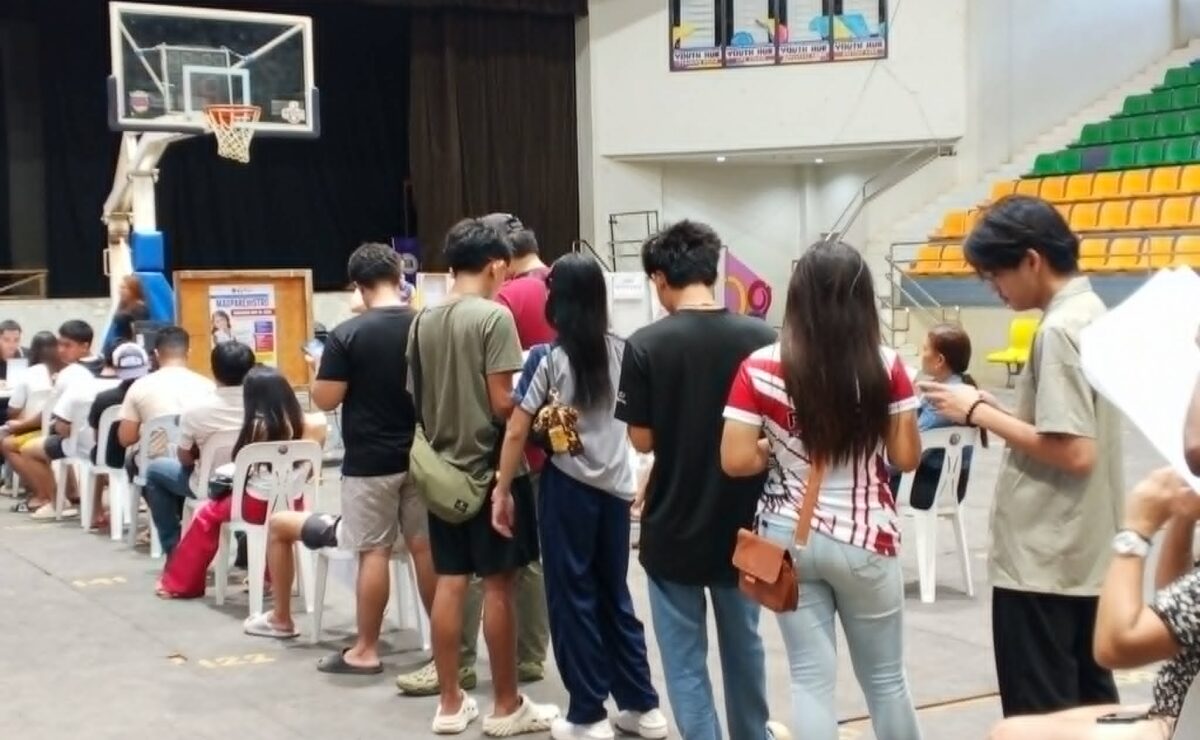
Senate panel okays bills on BSKE postponement, longer term for winners
Summarized and contextualized by DistantNews.
At a glance
News
Named sources
Context piece
- The Philippine Senate's local government committee approved bills to postpone the Barangay and Sangguniang Kabataan Elections (BSKE) and establish a fixed five-year term for officials.
- The postponement aims to reduce voter financial burdens amid rising fuel prices and coincides with All Souls' Day.
- The proposed five-year term seeks more effective project implementation, though concerns exist about the P8 billion already spent by the Commission on Elections for the current election cycle.
The Philippine Senate's local government committee has advanced legislation that could significantly alter the upcoming Barangay and Sangguniang Kabataan Elections (BSKE). The panel approved two key bills: one proposing to postpone the elections scheduled for November this year, and another to institute a fixed five-year term for barangay and SK officials, extending from the current four years.
Senator Imee Marcos's bill, Senate Bill No. 2067, seeks to move the BSKE from November 2, 2026, to October 2027. This postponement is intended to alleviate the financial strain on voters who must travel to their home provinces to cast ballots, especially with rising fuel costs. Marcos also noted the election's proximity to All Souls' Day, a significant observance.
Concurrently, Senator Francis Escudero's bill, Senate Bill No. 2387, aims to standardize the term of office for barangay and SK officials at five years. Escudero argues this longer term would allow for more effective planning and implementation of projects. He suggested that if approved, the bill's natural effect would be to postpone the upcoming election, even if its primary subject is the term length.
However, the proposed changes face scrutiny. Arwinie Serrano of the Parish Pastoral Council for Responsible Voting pointed out that a five-year term could be implemented even if the November election proceeds. The Commission on Elections (Comelec) has already invested approximately P8 billion in preparations for the current election cycle. Comelec Chair George Garcia noted that while some procured items like ballot boxes might be stored, other expenses, including voter registration and personnel services, could be duplicated if the elections are rescheduled.
The natural effect will be, of course, to postpone the upcoming election, but the subject matter of this bill is fixing the term, not just postponement.
DistantNews Editorial
Originally published by Philippine Daily Inquirer. Summarized and contextualized by our editorial team with added local perspective. Read our editorial standards.
More Stories

From Our Blog

What Gets Lost (and Found) When News Is Translated

The Critical Role of Diaspora Media in Global News

What Travellers Should Know About Countries with Restricted Press

A Digital Nomad's Guide to Following Local News

How the Same Story Looks Different in Different Countries
