


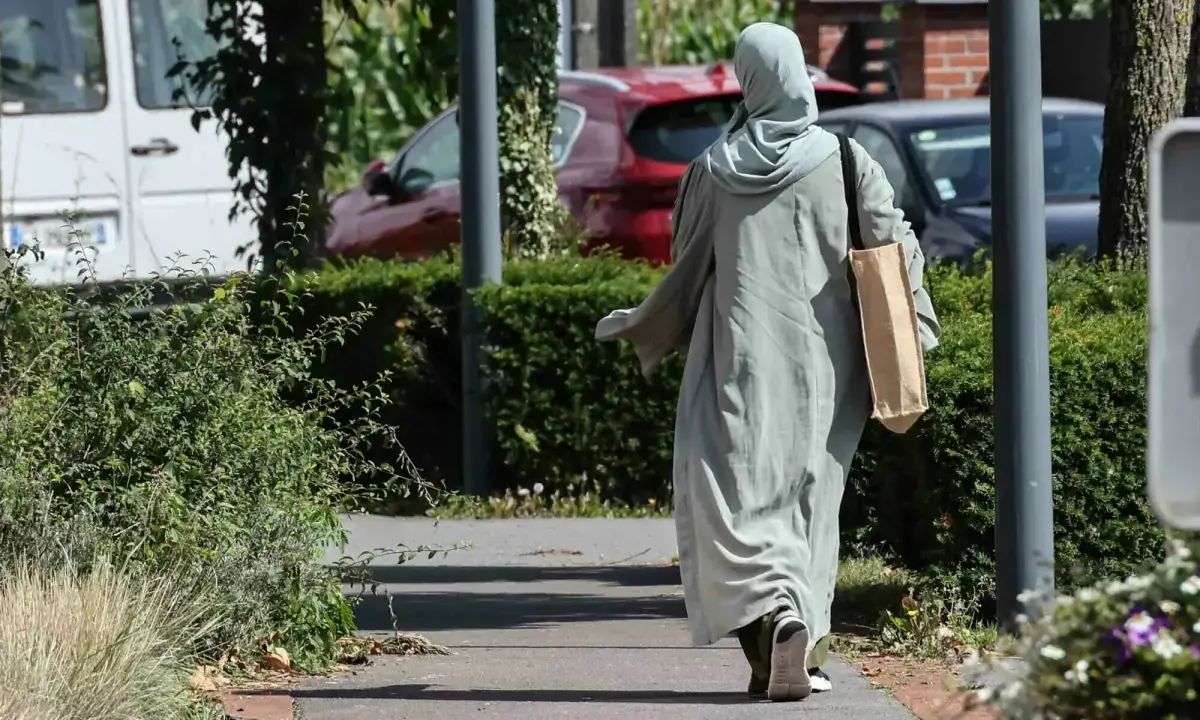
Senate Panel Restricts Islamic Banks From Compelling Female Employees to Wear Abayas
Translated from English, summarized and contextualized by DistantNews.
At a glance
News
Official statement
Approved/passed
- A Pakistani Senate committee has ruled that Islamic banks cannot compel female employees to wear abayas.
- The committee recommended adherence to a modest national dress code for all staff, regardless of gender.
- The decision came after complaints that some banks were forcing female employees to wear specific attire, unlike their male counterparts.
Pakistan's Senate Standing Committee on Finance and Revenue has prohibited Islamic banks from mandating abayas for their female employees. The committee also called for all banks to adopt a modest national dress code applicable to both men and women.
female employees were allegedly being compelled to wear abayas, although there was no such compulsion for male staff who were free to dress as they chose.
The ruling emerged from complaints regarding dress code policies at certain financial institutions, particularly those operating under Islamic principles. Senator Dr. Zarqa Suharwardy Taimur brought attention to allegations that female staff were being compelled to wear abayas, while male employees faced no such restrictions and could dress as they pleased.
Senator Sherry Rehman emphasized that no employee should be forced into any specific attire, suggesting that traditional dress like the shalwar kameez, famously worn by former Prime Minister Benazir Bhutto, would be appropriate for women. She noted that the state has already defined a national dress for both genders.
no employee should be forced to adopt any specific attire.
The Governor of the State Bank of Pakistan, Jameel Ahmed, confirmed that the committee had issued directives on the matter, indicating a move towards standardizing dress codes and respecting employee autonomy in workplace attire.
a shalwar kameez, as worn by ex-prime minister Benazir Bhutto, was also sufficient for other women, adding that the state had defined national dress for both genders.
DistantNews Editorial
Originally published by Dawn in English. Translated, summarized, and contextualized by our editorial team with added local perspective. Read our editorial standards.
More Stories


From Our Blog

What Gets Lost (and Found) When News Is Translated

The Critical Role of Diaspora Media in Global News

What Travellers Should Know About Countries with Restricted Press

A Digital Nomad's Guide to Following Local News

How the Same Story Looks Different in Different Countries
