


Senegal's Saint-Louis confronts its fading traces of slave-trading past
Translated from English, summarized and contextualized by DistantNews.
At a glance
In-depth
Sources not specified
Context piece
- Saint-Louis, Senegal, a former French colonial hub, is shedding light on its lesser-known role in the transatlantic slave trade.
- Historians estimate tens of thousands of enslaved Africans passed through the island, which served as a holding point before shipment.
- While Goree Island is more famous, Saint-Louis's historical slave depots, though dilapidated, offer tangible links to this past.
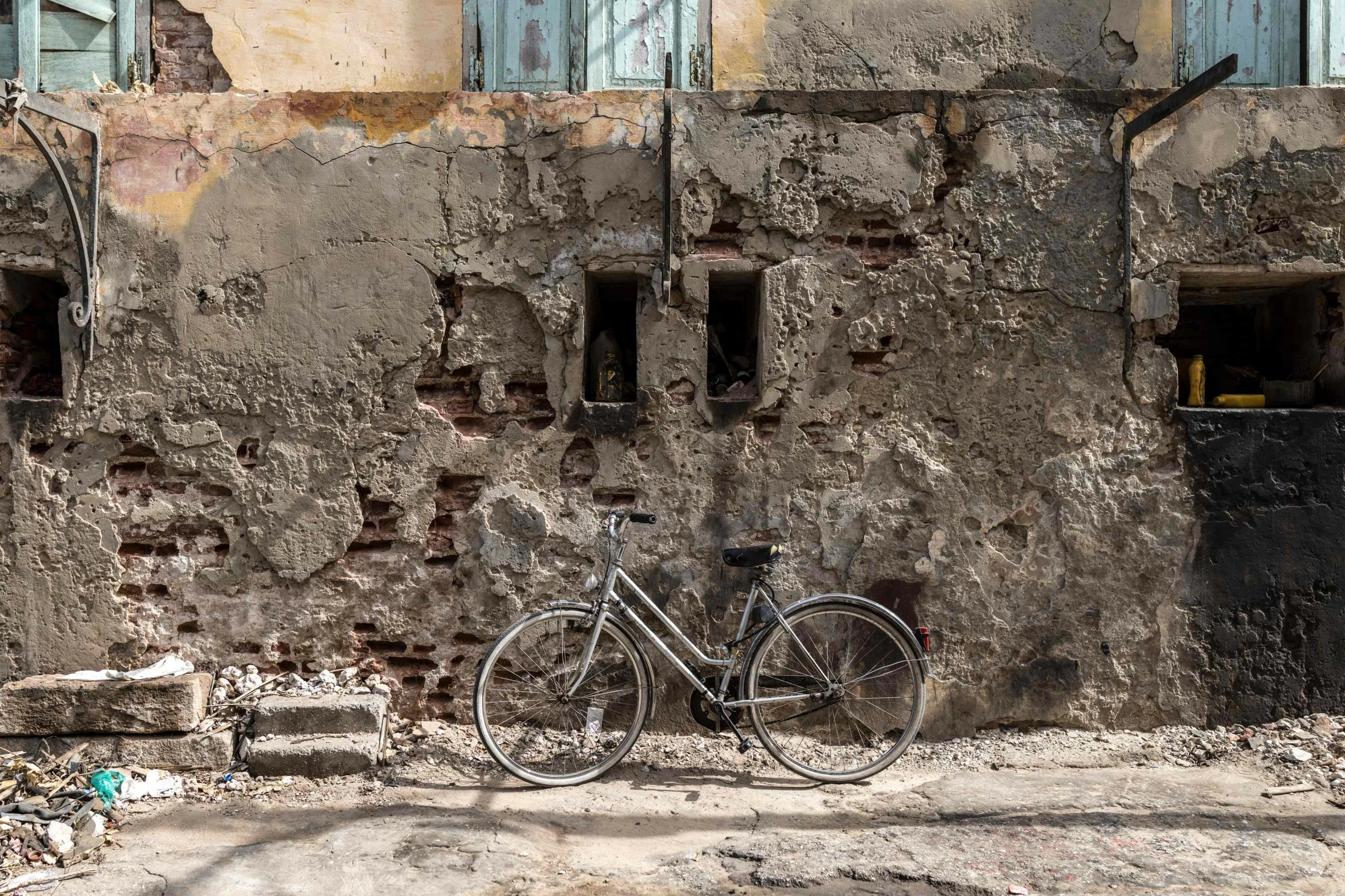
A dilapidated two-century-old building in Saint-Louis, Senegal, stands as a quiet testament to the island's significant, yet often overlooked, role in the transatlantic slave trade. While Goree Island has become a prominent symbol of this dark history, Saint-Louis, a former French trading post and colonial capital, served as a crucial hub through which tens of thousands of Africans were processed and held before being shipped across the Atlantic.
On the ground floor lie the remains of the only slave depot preserved in Saint-Louis.
Historians note that Saint-Louis, established in 1659, was France's first trading post in sub-Saharan Africa. During the 18th century, an estimated 10,000 enslaved people passed through the island annually, particularly during the "high-water season" from May to November. Captives, along with gold, were primary commodities traded by companies like Maurel and Prom, whose former depot building still stands, albeit in disrepair.
This dilapidated building is a slave depot that has survived.
This building, constructed between 1822 and 1825, is one of the few explicit reminders of Saint-Louis's past. It contains five original cells and a wooden ceiling, though it is now overgrown and filled with debris. Many other slave-holding facilities on the island have been converted or demolished, making this preserved depot a rare, tangible link to the past. Even the former governor's palace reportedly housed slave depots.
At least 10,000 enslaved people passed through Saint-Louis every year during the 18th century.
Colonial mansions and ancient trading houses line the island's streets, many with crumbling walls and damaged roofs. While local experts acknowledge the historical significance, they also note that the "local population, unknowing, did not preserve them." The trade was driven by European companies and their local intermediaries, including influential women known as signares.
Gold and captives were the primary commodities.
DistantNews Editorial
Originally published by Gulf Today in English. Translated, summarized, and contextualized by our editorial team with added local perspective. Read our editorial standards.
More Stories



From Our Blog

What Gets Lost (and Found) When News Is Translated

The Critical Role of Diaspora Media in Global News

What Travellers Should Know About Countries with Restricted Press

A Digital Nomad's Guide to Following Local News

How the Same Story Looks Different in Different Countries
