


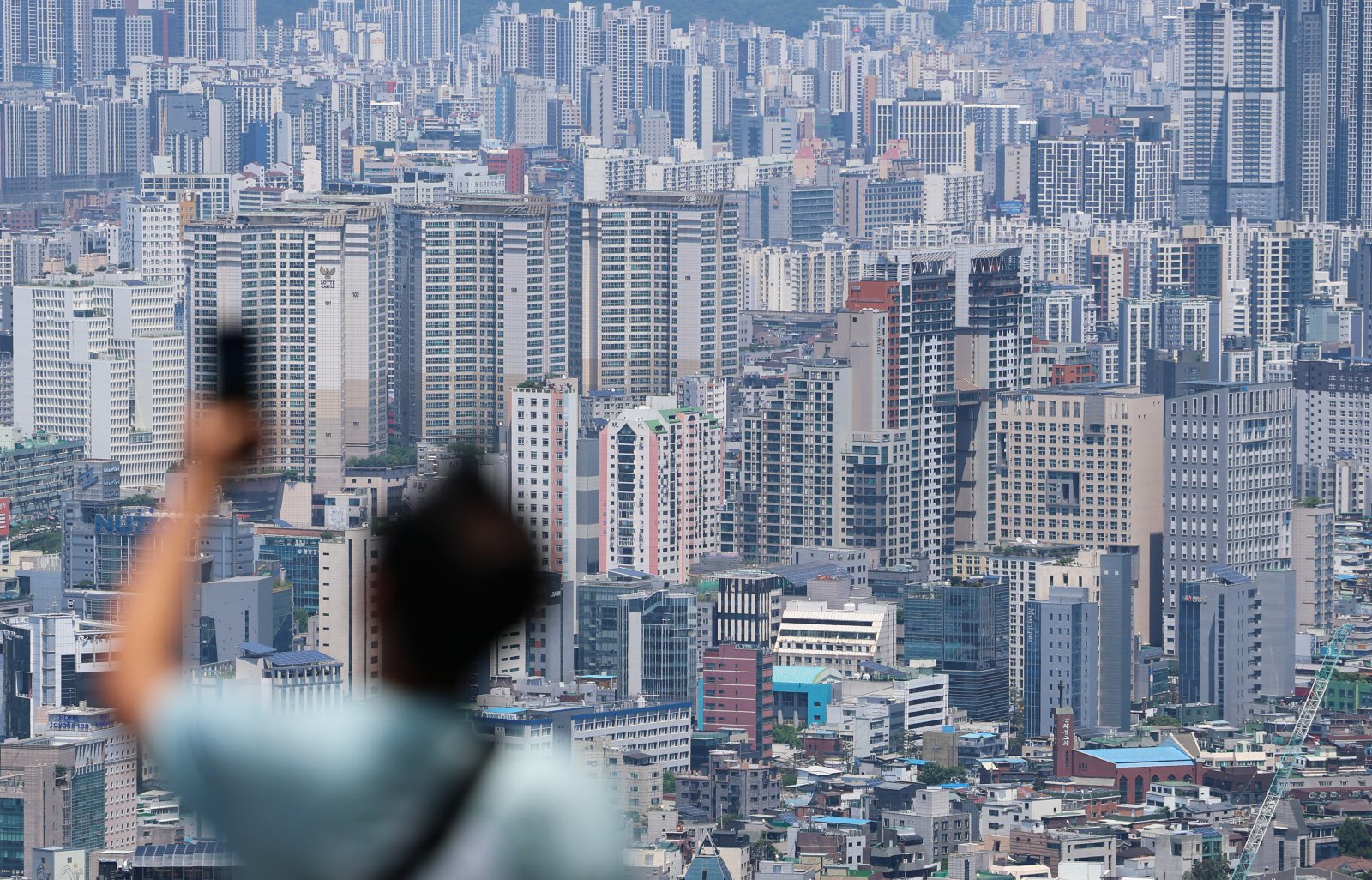
Seoul Apartment Market Cools as Record-High Deals Drop Below 10%, But Semiconductor Belt Areas Thrive
Translated from Korean, summarized and contextualized by DistantNews.
At a glance
News
Named sources
Context piece
- The proportion of Seoul apartment deals with record-high prices fell below 10% in May for the first time this year.
- Stricter regulations and loan restrictions have led to a cautious market sentiment in the Seoul metropolitan area.
- Areas near the semiconductor industry belt and those with good access to Seoul are seeing increased demand and record-high prices.
The Seoul metropolitan area's apartment market is showing a growing sense of caution, with the proportion of deals involving record-high prices dropping below 10% in May for the first time this year. This trend follows the expansion of land transaction permit zones and tighter lending regulations.
According to Zigbang, the share of record-high price apartment transactions in the Seoul metropolitan area was 9.7% in May, marking the lowest point of the year. In Seoul itself, this figure decreased to 19.3% from 21.3% the previous month. Gyeonggi Province saw a slight dip to 7.0% from 7.7%, while Incheon experienced a marginal increase to 2.8% from 2.7%.
Seoul's record-high price transaction ratio has been on a downward trend for three consecutive months, falling from a peak of 31.3% in February. The number of such deals also decreased to 864 in May, compared to a monthly average of 6,563 in the preceding three months. Areas like Gangnam-gu, Seocho-gu, and Yongsan-gu, traditionally hotspots for high-value transactions, also saw a decline in their share of record-high deals compared to the previous year.
However, the market is not uniformly sluggish. Certain areas are bucking the trend, particularly those with strong demand from genuine buyers. Guri City saw a significant surge in its record-high transaction ratio to 21.1%, potentially influenced by expectations of a subway line extension and redevelopment of older complexes. Suji District in Yongin also experienced a notable rise to 19.4%, attributed to its accessibility to Gangnam and Pangyo, redevelopment prospects, and semiconductor industry-related development benefits.
Areas like Hanam and Seongnam Jungwon-gu also saw increases. Notably, Dongtan District in Hwaseong, a key residential area supporting the southern Gyeonggi semiconductor belt, has seen its record-high transaction ratio climb for six consecutive months, reaching 12.0%. A specific unit in 'Dongtan Station Lotte Castle' sold for 2.08 billion won in May, setting a new record. In contrast, the Incheon market remains relatively subdued, with its record-high transaction ratio still below last year's levels.
Currently, the Seoul metropolitan market is showing a simultaneous trend of cautious sentiment in high-priced complexes in the Gangnam area and relative strength in mid-priced areas in Seoul and some parts of Gyeonggi Province. Demand is concentrating in areas around the semiconductor industry belt, major business districts, and those with good accessibility to Seoul.
DistantNews Editorial
Originally published by Dong-A Ilbo in Korean. Translated, summarized, and contextualized by our editorial team with added local perspective. Read our editorial standards.
More Stories


From Our Blog

What Gets Lost (and Found) When News Is Translated

The Critical Role of Diaspora Media in Global News

What Travellers Should Know About Countries with Restricted Press

A Digital Nomad's Guide to Following Local News

How the Same Story Looks Different in Different Countries
