


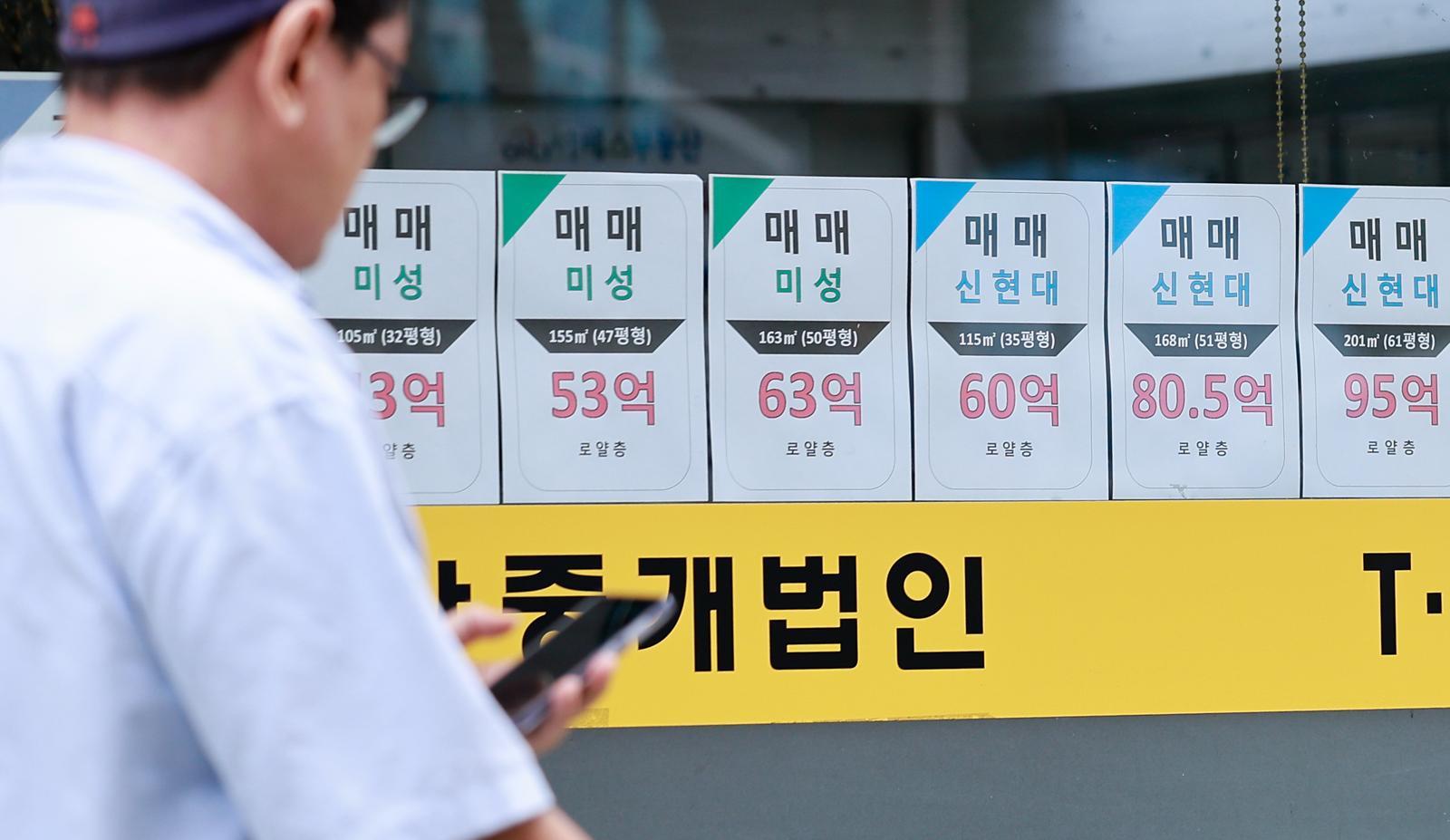
Seoul apartment prices surge, rental costs hit 12-year high
Translated from Korean, summarized and contextualized by DistantNews.
At a glance
News
Sources not specified
Context piece
- Seoul's apartment prices are rising at an accelerated pace, with rental prices reaching their highest increase in 12 years and 8 months.
- The southern Gyeonggi province, particularly areas around the semiconductor industry, continues to see strong price growth.
- Concerns about overheating in the Seoul metropolitan area are growing as price increases spread to Seoul's outskirts.
The pace of apartment price increases in Seoul has quickened, while rental prices have recorded their highest surge in 12 years and 8 months, signaling growing market pressure. The strength in the southern Gyeonggi province, driven by the semiconductor industry's growth, is persisting and the upward trend is now extending to the outskirts of Seoul, fueling concerns about potential overheating in the wider metropolitan area.
According to the Korea Real Estate Board's weekly apartment price trend for the fourth week of June, Seoul's apartment sales prices rose by 0.30%, an increase from the previous week's 0.27%. This marks the 72nd consecutive week of price increases since the market turned upward in February of last year. Price growth was observed not only in Gangnam-gu (0.35%), Songpa-gu (0.29%), and Seocho-gu (0.20%) but also spread to areas along the Han River like Seongdong-gu (0.31%) and Gwangjin-gu (0.32%), as well as outer Seoul districts such as Dobong-gu (0.46%), Guro-gu (0.41%), and Eunpyeong-gu (0.36%).
In southern Gyeonggi, areas designated as "shuttle zones" due to semiconductor industry expectations are leading the price surge. Hwaseong Dongtan-gu, after a significant jump of 2.22% the previous week, continued to rise by 1.65% this week, approximately 5.5 times the rate of increase in Seoul. Other areas like Seongnam Bundang-gu (0.42%), Sujeong-gu (0.47%), Jungwon-gu (0.59%), Suwon Yeongtong-gu (0.41%), and Yongin Suji-gu (0.38%) also maintained strong performance.
Dongtan's price increase has somewhat decreased, but demand has shifted to relatively more affordable areas like Suwon Yeongtong-gu and Seongnam Sujeong-gu and Jungwon-gu, continuing the upward trend.
Experts attribute this trend to a chain reaction of demand shifts. Nam Hyuk-woo, a real estate researcher at Woori Bank, noted that while Dongtan's price increase has slightly moderated, demand is moving to relatively more affordable areas like Suwon Yeongtong-gu and Seongnam Sujeong-gu and Jungwon-gu, sustaining the upward momentum. He suggested that abundant market liquidity and continuous upgrading demand could influence price trends in Gangnam and along the Han River.
The rental market is also showing instability. Seoul's apartment rental prices climbed by 0.35%, the highest monthly increase since October 2013. This surge is attributed to the rapid depletion of available units in large complexes, school districts, and areas near subway stations, leading to higher asking prices for remaining properties. Significant increases were seen in Seongdong-gu (0.55%), Seongbuk-gu (0.55%), Guro-gu (0.54%), and Nowon-gu (0.49%). In southern Gyeonggi and outer Seoul, reduced rental supply is prompting tenants to consider purchasing homes. In areas like Dobong-gu and Guro-gu, demand from genuine buyers for apartments around the 600 million won mark continues, with demand also spreading to non-regulated areas like Ilsan and Gwonseon-gu. Experts believe the shortage of rental properties is driving demand towards purchases, supporting price increases across the Seoul metropolitan area.
Abundant market liquidity and continuous upgrading demand have the potential to influence price trends in Gangnam and along the Han River.
DistantNews Editorial
Originally published by Dong-A Ilbo in Korean. Translated, summarized, and contextualized by our editorial team with added local perspective. Read our editorial standards.
More Stories


From Our Blog

What Gets Lost (and Found) When News Is Translated

The Critical Role of Diaspora Media in Global News

What Travellers Should Know About Countries with Restricted Press

A Digital Nomad's Guide to Following Local News

How the Same Story Looks Different in Different Countries
