


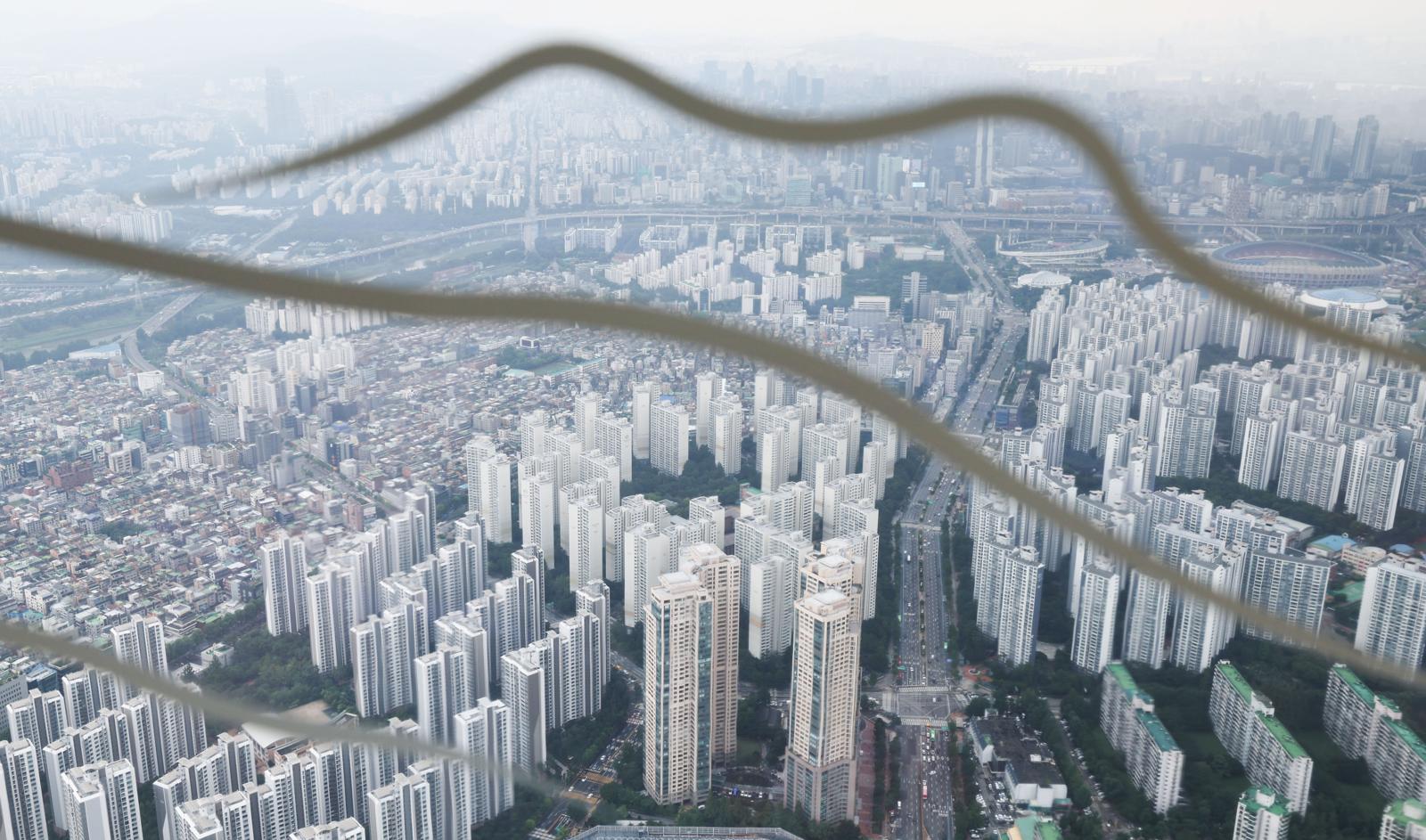
Seoul Apartment Rental Market Faces Worst Shortage Since Late 2020 Amidst Policy Pressures
Translated from Korean, summarized and contextualized by DistantNews.
At a glance
News
Official statement
Context piece
- Seoul's apartment rental market faces its most severe shortage since late 2020.
- The rental demand-supply index reached 127.6 in the third week of July.
- This imbalance is attributed to factors including the "two-act lease law" and increased property taxes for multiple homeowners.
Seoul's apartment rental market is experiencing a significant imbalance between supply and demand, reaching levels not seen since December 2020. The rental demand-supply index, as reported by Korea Real Estate Board, stood at 127.6 for the third week of July. This figure, the highest since the initial implementation of the "two-act lease law" and rent cap regulations in late 2020, indicates that demand for rental properties significantly outstrips available supply.
The imbalance is particularly acute in the southeastern region of Seoul, encompassing Gangnam, Seocho, Songpa, and Gangdong districts, where the index hit 135.3, its highest point since December 2020. The southwestern region also reported a high index of 129.2, the peak since November 2020. Even the central districts saw their highest index since February 2021 at 118.0.
This escalating rental crunch is largely driven by policies aimed at curbing property speculation and increasing housing stability. The "two-act lease law," which includes provisions for contract renewals and rent increase limits, alongside higher property taxes for owners of multiple homes, has pressured existing landlords. Many owners are reportedly hesitant to list properties or are choosing to sell, further constricting the rental supply.
DistantNews Editorial
Originally published by Dong-A Ilbo in Korean. Translated, summarized, and contextualized by our editorial team with added local perspective. Read our editorial standards.
More Stories


From Our Blog

What Gets Lost (and Found) When News Is Translated

The Critical Role of Diaspora Media in Global News

What Travellers Should Know About Countries with Restricted Press

A Digital Nomad's Guide to Following Local News

How the Same Story Looks Different in Different Countries
