

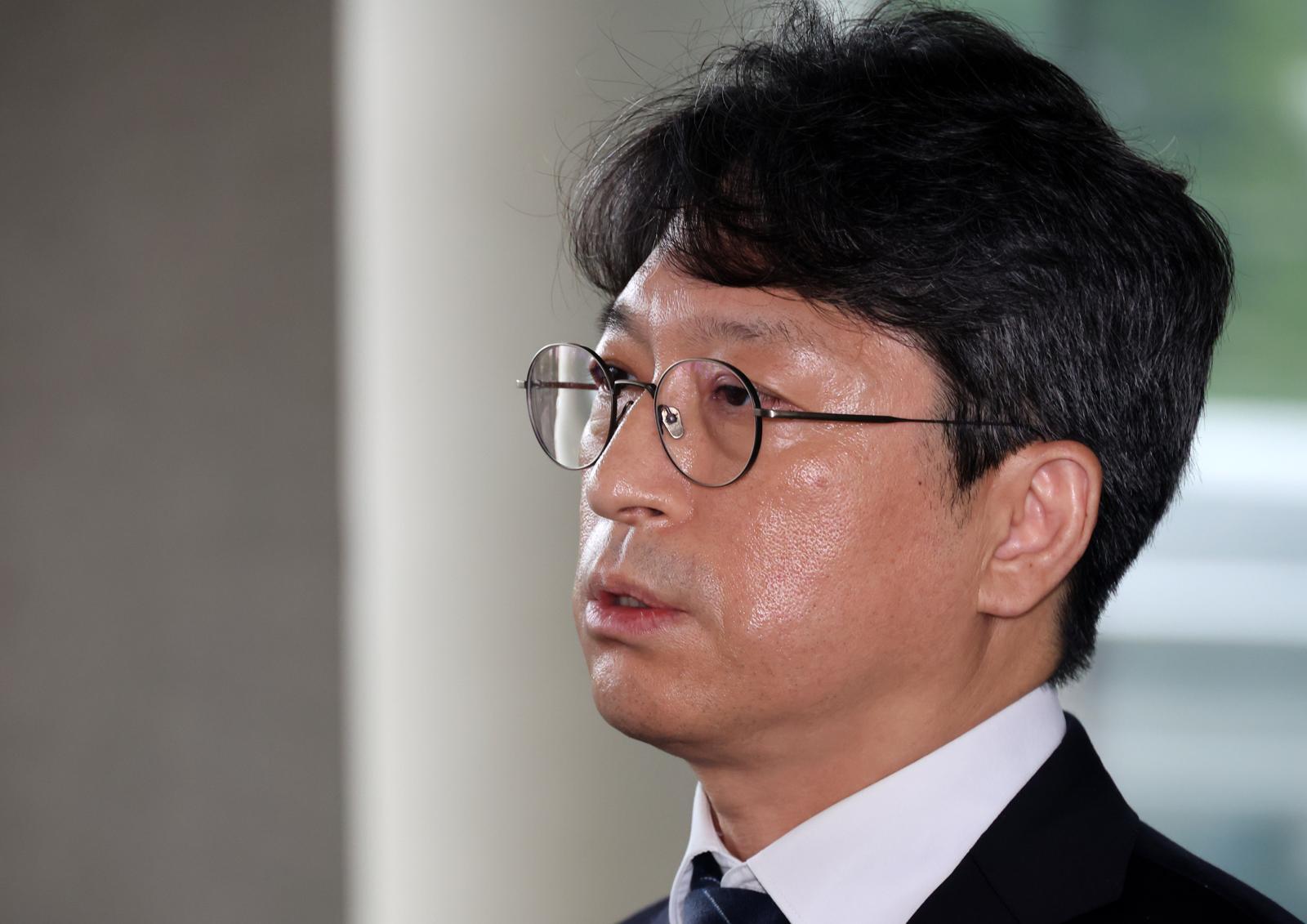

Seoul education chief hopefuls clash over student rights, election law
Translated from Korean and summarized by DistantNews. Read the original for the full story.
At a glance
News
Named sources
Context piece
- Seoul education superintendent candidates clashed over the student rights ordinance, with one advocating for its repeal and another defending its impact.
- Debates also covered solutions for declining educational activities, with candidates proposing various measures like integrated complaint teams and support for teachers' professional rights.
- The candidates also exchanged barbs regarding election law violations and the content of democratic citizen education.
The first televised debate for the Seoul Superintendent of Education candidates revealed deep divisions on key educational issues, particularly the contentious student rights ordinance. Candidate Cho Jeon-hyuk ignited the debate by linking the recent suspension of school trips and physical education activities directly to the "student rights ordinance that only emphasizes rights without responsibility," vowing to abolish it. This stance, however, was challenged by candidate Han Man-joong, who countered that data suggests fewer cases of teacher rights violations in regions with such ordinances, questioning whether repealing it would truly reduce complaints.
Teachers say it has become difficult to guide our children because of the student rights ordinance.
The discussion then shifted to addressing the decline in educational activities, a pressing concern for educators. Incumbent Superintendent Chung Geun-sik highlighted existing policies like principal-led integrated complaint teams and emergency support for educational activities. Han Man-joong proposed establishing a superintendent-led support group and ensuring teachers' professional rights, including curriculum planning and assessment. Cho Jeon-hyuk suggested introducing private insurance schemes. The debate underscored a lack of consensus on effective solutions, with proposals ranging from policy reinforcement to structural changes and external financial mechanisms.
As far as I can tell, cases of teacher rights violations are actually fewer in regions with student rights ordinances, such as Seoul and Jeonbuk.
Further friction arose over the public disclosure of academic diagnostic evaluations. Cho Jeon-hyuk advocated for releasing school-level results to drive improvement, believing parents would choose schools that demonstrate academic progress. Han Man-joong criticized this approach as focusing solely on statistics without addressing underlying issues, arguing that it would intensify competition rather than bridge educational gaps in the age of AI. Chung Geun-sik defended the current system, stating that personalized diagnostics and support are already in place.
Will malicious complaints decrease if the student rights ordinance is abolished?
Accusations of election law violations were also hurled, primarily targeting the incumbent Chung Geun-sik, with Cho Jeon-hyuk raising allegations of pre-election campaigning and election manipulation. Chung responded by emphasizing the importance of focusing on educational issues rather than political attacks. The debate also touched upon the controversial topic of democratic citizen education, with Cho questioning its perceived political and labor bias and asking if it would teach about the "beginning of authoritarianism" related to a presidential indictment. Chung defended the program's importance, especially after the recent state of emergency, framing it as a crucial component of constitutional education.
The student rights ordinance, which only emphasizes rights without responsibility, is the reason for the suspension of educational activities like school trips and physical education.
About this summary
Originally published by Hankyoreh in Korean. Translated, summarized, and contextualized automatically by DistantNews, with a note on how the source frames the story. Not individually reviewed before publishing. How this works.
More Stories


From Our Blog

News in Translation: What Gets Lost, and How We Keep the Framing

Diaspora Media: How Communities Abroad Follow Home

Traveling Where the Press Is Not Free: How to Read the News There

The Digital Nomad's Guide to Local News

The Same Story, Different Countries: How Coverage Changes at the Border
