

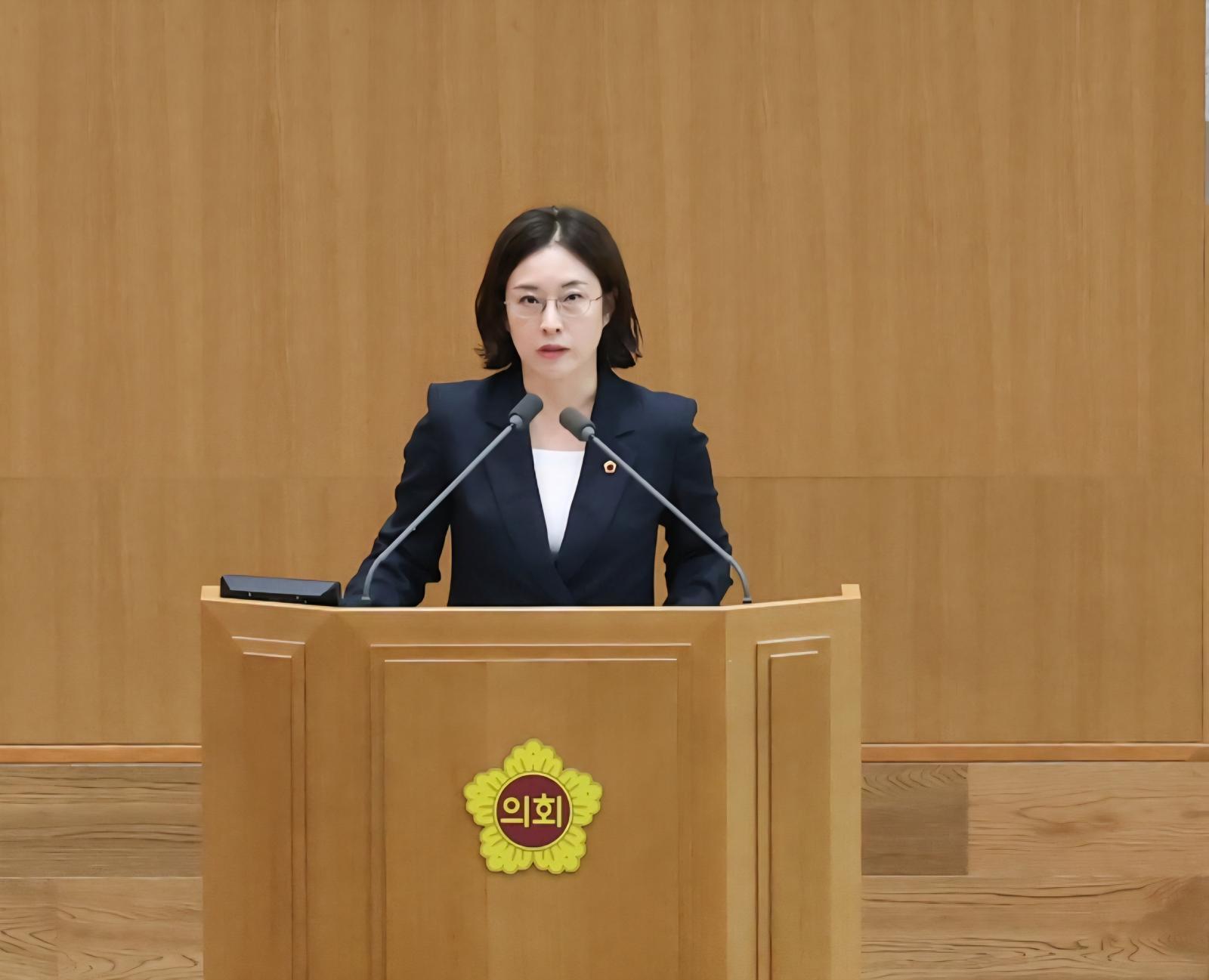

Seoul, Gyeonggi Power Heavily from Other Regions; Renewable Energy Self-Sufficiency Near Zero
Translated from Korean and summarized by DistantNews. Read the original for the full story.
At a glance
News
Named sources
Context piece
- A report reveals that Seoul and Gyeonggi Province, the top two electricity consumers in South Korea, have extremely low renewable energy self-sufficiency rates of 0.6% and 2.9% respectively.
- While the national government aims for 30% renewable energy by 2035, most local governments fall short, with only North Jeolla Province exceeding 30%.
- The low self-sufficiency is attributed to reliance on power from other regions, insufficient transmission infrastructure, and a heavy dependence on LNG, highlighting a 'produce locally, consume elsewhere' energy structure.
A recent report by the Energy Transition Forum and Greenpeace Seoul Office has shed stark light on South Korea's uneven progress in renewable energy adoption, particularly highlighting the abysmal self-sufficiency rates in the nation's most populous and economically vital regions. Seoul and Gyeonggi Province, which together account for a massive share of the country's electricity consumption, are generating a mere fraction of their power from renewable sources. Seoul, despite being the second-largest electricity consumer, relies on renewables for only 0.6% of its needs, while Gyeonggi Province, the largest consumer, manages just 2.9%. This starkly contrasts with the national government's ambitious goal of achieving 30% renewable energy in the overall power generation mix by 2035.
Renewable energy is the optimal breakthrough that can offset the social losses caused by Korea's electricity structure, promote regional and industrial development, and respond to energy security.
The report, which surveyed 226 local government districts, found that only North Jeolla Province (30.5%) surpassed the 30% renewable energy self-sufficiency mark. Other regions like Gangwon (27.5%), South Jeolla (25.9%), and Jeju (23.1%) show more promising figures, but the majority of provinces remain in the single digits. This disparity underscores a fundamental challenge in South Korea's energy landscape: a deeply entrenched 'produce locally, consume elsewhere' (jisan-taso) structure. Seoul and Gyeonggi, for instance, depend on power generated in other regions—often from coal-fired power plants in Chungnam and Incheon, or nuclear power in Gyeongbuk—to cover 88% and 38% of their respective electricity demands. Their own power generation heavily relies on Liquefied Natural Gas (LNG).
Compounding the issue is the strain on the nation's transmission infrastructure. Existing power grids are already saturated, struggling to transmit electricity from renewable-rich areas to high-demand centers like the Seoul metropolitan area. The construction of new transmission lines faces significant hurdles, including local opposition, long construction periods averaging 12 years, and substantial costs. Furthermore, a lack of adequate transmission and storage facilities leads to the curtailment of renewable energy, resulting in wasted electricity—estimated at 164.4 GWh by mid-2025, representing billions of won in losses. This inefficiency highlights the critical need for infrastructure upgrades to support the transition to renewables.
Local governments must declare their self-sufficiency and facility deployment goals and establish concrete implementation plans.
Experts like Lim Jae-min of the Energy Transition Forum emphasize that increasing local renewable energy generation is the most effective solution to offset social costs, foster regional development, enhance energy security, and rapidly address the energy transition. He urges local governments to set official targets for renewable energy self-sufficiency, such as 30%, and calls for strengthened government support and institutional reforms. Professor Yoon Soon-jin of Seoul National University adds that local governments bear the primary responsibility for energy in the renewable era, requiring them to declare self-sufficiency and facility deployment goals with concrete implementation plans. From a South Korean perspective, this situation is not just about environmental policy; it's about addressing regional inequalities, overcoming infrastructural bottlenecks, and fundamentally restructuring the nation's energy dependency.
The difference in self-sufficiency rates between Yeongyang County, Gyeongbuk, which covers 656.4% of its electricity consumption with renewable energy, and Pyeongtaek is 729 times.
About this summary
Originally published by Hankyoreh in Korean. Translated, summarized, and contextualized automatically by DistantNews, with a note on how the source frames the story. Not individually reviewed before publishing. How this works.
More Stories


From Our Blog

News in Translation: What Gets Lost, and How We Keep the Framing

Diaspora Media: How Communities Abroad Follow Home

Traveling Where the Press Is Not Free: How to Read the News There

The Digital Nomad's Guide to Local News

The Same Story, Different Countries: How Coverage Changes at the Border
