


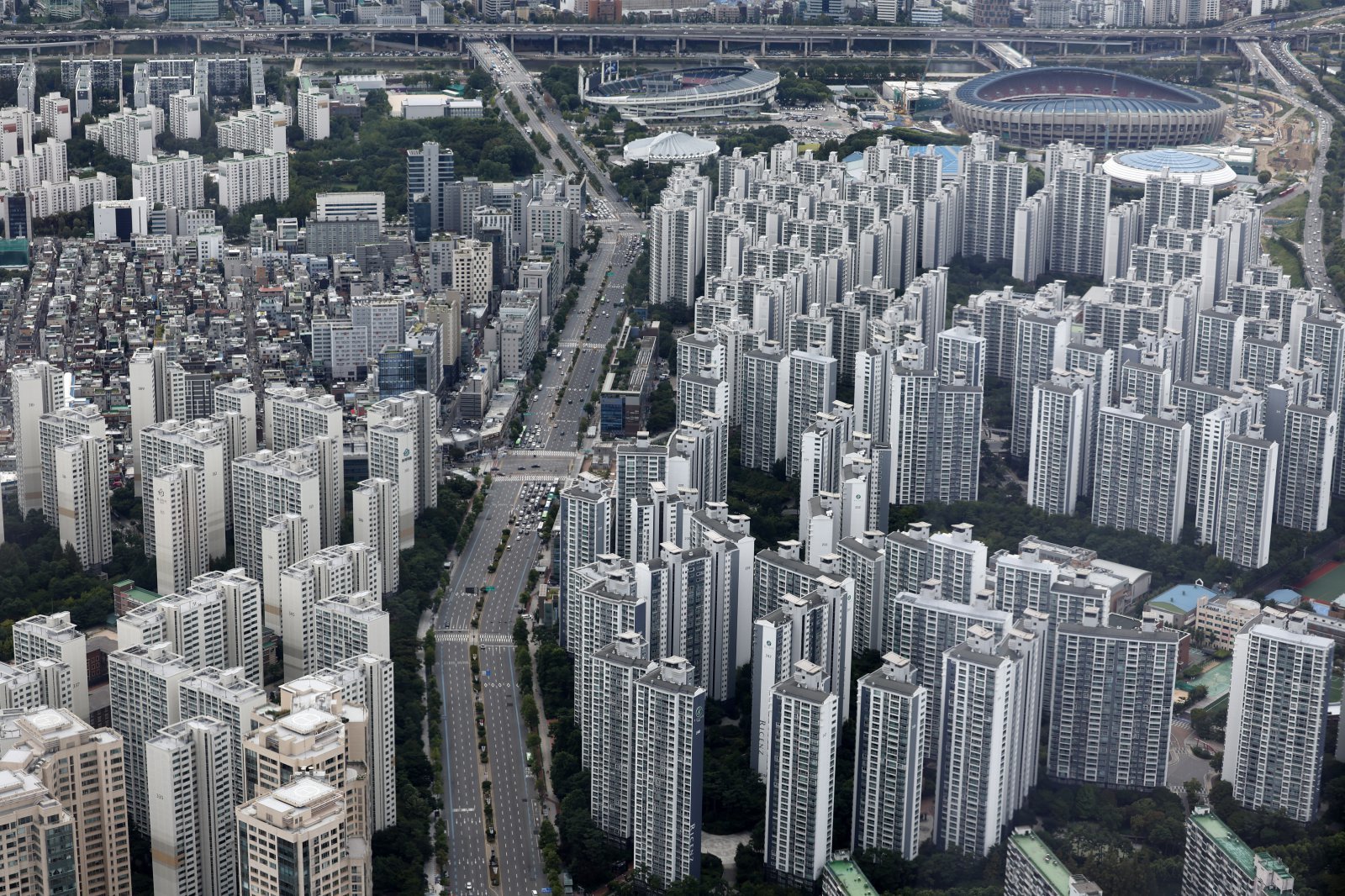
Seoul home prices surpass 1.6 billion won average as price surge shifts outward
Translated from Korean and summarized by DistantNews. Read the original for the full story.
At a glance
News
Sources not specified
Context piece
- The average price of apartments in Seoul has exceeded 1.6 billion won for the first time, driven by demand shifting to mid-to-low priced areas.
- A shortage of listings, coupled with rising jeonse (long-term rental) prices, is fueling the upward trend as potential buyers seek more affordable options.
- The government has announced plans to support urban housing construction, aiming for approximately 234,000 units by 2030 to stabilize the market.
The average price of apartments in Seoul has surpassed 1.6 billion won, marking a significant milestone as the focus of price increases shifts from affluent southern districts to more affordable outer areas.
It's literally whatever the landlord asks for.
Areas like Jungnang, Seongbuk, and Nowon, known for their mid-to-low priced housing, are now seeing concentrated buyer interest. This surge is attributed to factors including the government's tax reform proposals, which have increased the burden on high-priced apartments, and stricter residency requirements. As a result, demand has moved towards more accessible neighborhoods.
The scarcity of available properties is exacerbating the situation. Real estate agents in areas like Sanggye-dong, Nowon District, report that listings are few and far between. "As soon as a property is listed, it's sold," said one agent, highlighting the intense competition among buyers. This scarcity, combined with rising jeonse (long-term rental) prices, is pushing potential renters to consider purchasing homes, further inflating prices.
There are many people wanting to buy, but so few properties are available that prices keep rising.
Recent transaction data reveals a pronounced 'catch-up' phenomenon, where prices in these previously less expensive areas are rapidly increasing to narrow the gap with more established neighborhoods. For instance, a unit in Mia-dong, Gangbuk District, saw a price increase of 58 million won in just over ten days, reaching a new record high. Similarly, an apartment in Samseon-dong, Seongbuk District, recorded a nearly 350 million won jump in price since March.
If buyers hesitate even a little, the property disappears or the asking price goes up again, forcing them to rush into contracts.
Experts predict this trend of rising prices in Seoul's outer areas will likely continue in the short term. The combination of a tight jeonse market and supply shortages is driving demand for purchasable homes in these more affordable regions. The government has acknowledged these pressures and announced measures to boost housing supply, including incentives for private urban redevelopment projects, aiming to facilitate the construction of around 234,000 new urban housing units by 2030.
The influx of buyers into the market is expanding due to the prolonged shortage and rising prices of jeonse.
About this summary
Originally published by Dong-A Ilbo in Korean. Translated, summarized, and contextualized automatically by DistantNews, with a note on how the source frames the story. Not individually reviewed before publishing. How this works.
More Stories


From Our Blog

What Gets Lost (and Found) When News Is Translated

The Critical Role of Diaspora Media in Global News

What Travellers Should Know About Countries with Restricted Press

A Digital Nomad's Guide to Following Local News

How the Same Story Looks Different in Different Countries
