


Seoul Housing Boom Spills into Gyeonggi, Driving Record Prices in Hanam and Gimpo
Translated from Korean, summarized and contextualized by DistantNews.
TLDR
- Housing prices in Seoul are driving demand outwards into surrounding Gyeonggi Province, with areas like Hanam and Gimpo seeing record-high sales.
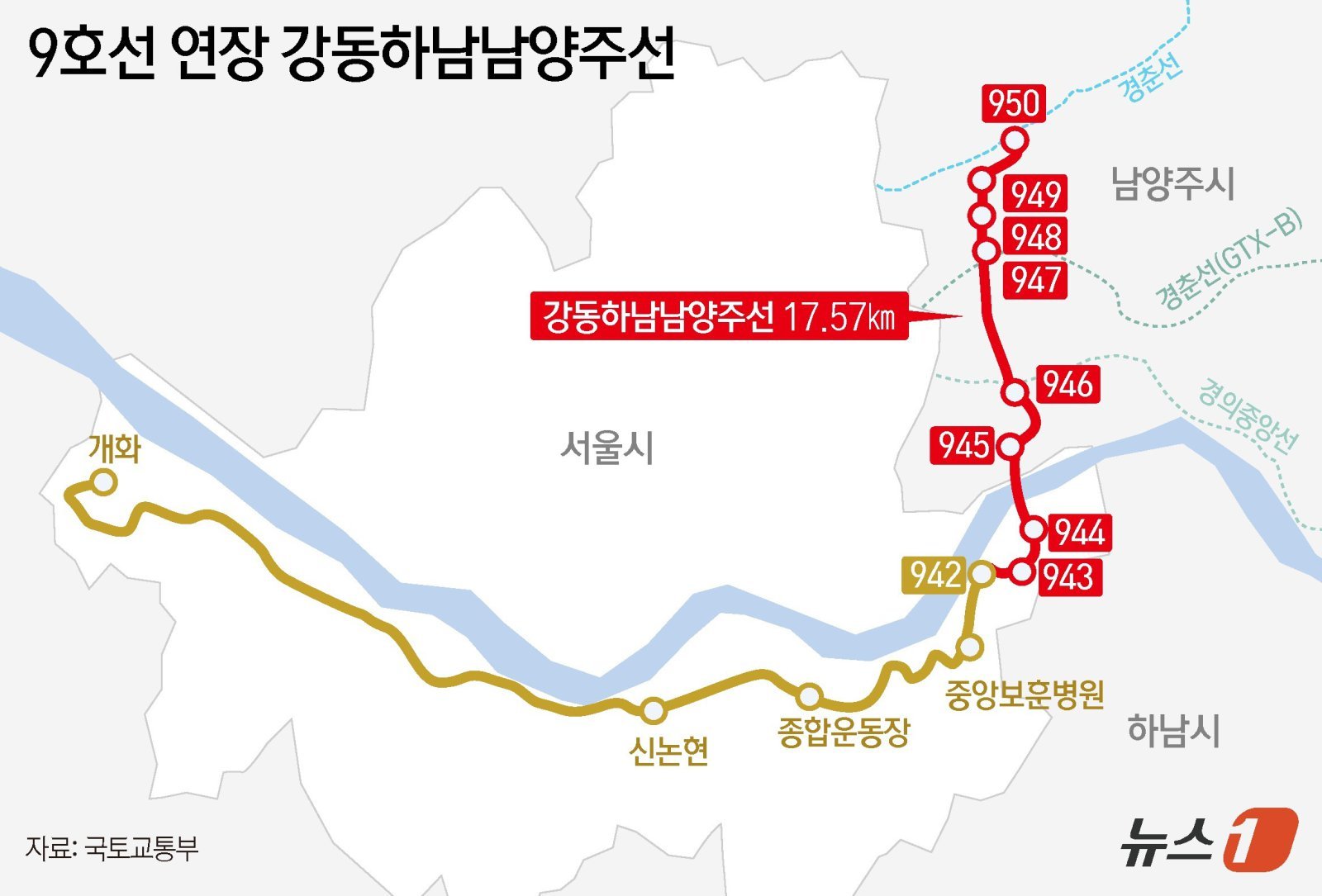
- Properties in Hanam, particularly near the planned subway extension, are experiencing significant price increases due to improved transportation access.
- Gimpo, along with Guri and Anyang, are also seeing price surges, partly attributed to the potential for 'gap investment' (buying with a tenant's deposit) and improved infrastructure plans.
The ripple effect of Seoul's soaring housing market is increasingly evident in the satellite cities of Gyeonggi Province, as buyers seek more affordable options and potential investment opportunities. Areas like Hanam and Gimpo are now reporting record-high property transactions, signaling a clear spillover from the capital's overheated real estate sector.
The upward trend in Seoul's housing prices is spreading to the outskirts of Gyeonggi Province.
Hanam, in particular, is benefiting from significant infrastructure development, most notably the planned extension of Seoul Subway Line 9. This project promises to drastically cut commute times to Seoul's Gangnam district, making Hanam a highly attractive residential area. The anticipation of this improved connectivity is already reflected in the rising prices, with some apartments reaching near-record highs.
Similarly, Gimpo is experiencing a surge in property values, fueled by the prospect of a new subway line extension and its status as a non-regulated zone. This allows for 'gap investment,' where the difference between the purchase price and the existing rental deposit is relatively small, making it appealing to investors looking for leverage. Other cities like Guri and Anyang are also witnessing similar trends, driven by accessibility to Seoul and fewer regulatory restrictions.
Areas like Guri, with high accessibility to Seoul and located in non-regulated zones, are seeing a widening gap in price increases.
This outward migration of housing demand highlights a persistent challenge in the Seoul metropolitan area: the difficulty of maintaining affordable housing within the capital itself. As prices continue to climb in Seoul, buyers are pushed to the periphery, seeking value and improved living conditions. The development of transportation networks in these surrounding areas is crucial for accommodating this growing population and ensuring balanced regional growth, a key concern for residents and policymakers alike in South Korea.
The shortage of jeonse (lump-sum deposit) and monthly rental properties is also causing some tenants to convert to buyers.
DistantNews Editorial
Originally published by Dong-A Ilbo in Korean. Translated, summarized, and contextualized by our editorial team with added local perspective. Read our editorial standards.
More Stories


From Our Blog

What Gets Lost (and Found) When News Is Translated

The Critical Role of Diaspora Media in Global News

What Travellers Should Know About Countries with Restricted Press

A Digital Nomad's Guide to Following Local News

How the Same Story Looks Different in Different Countries
