


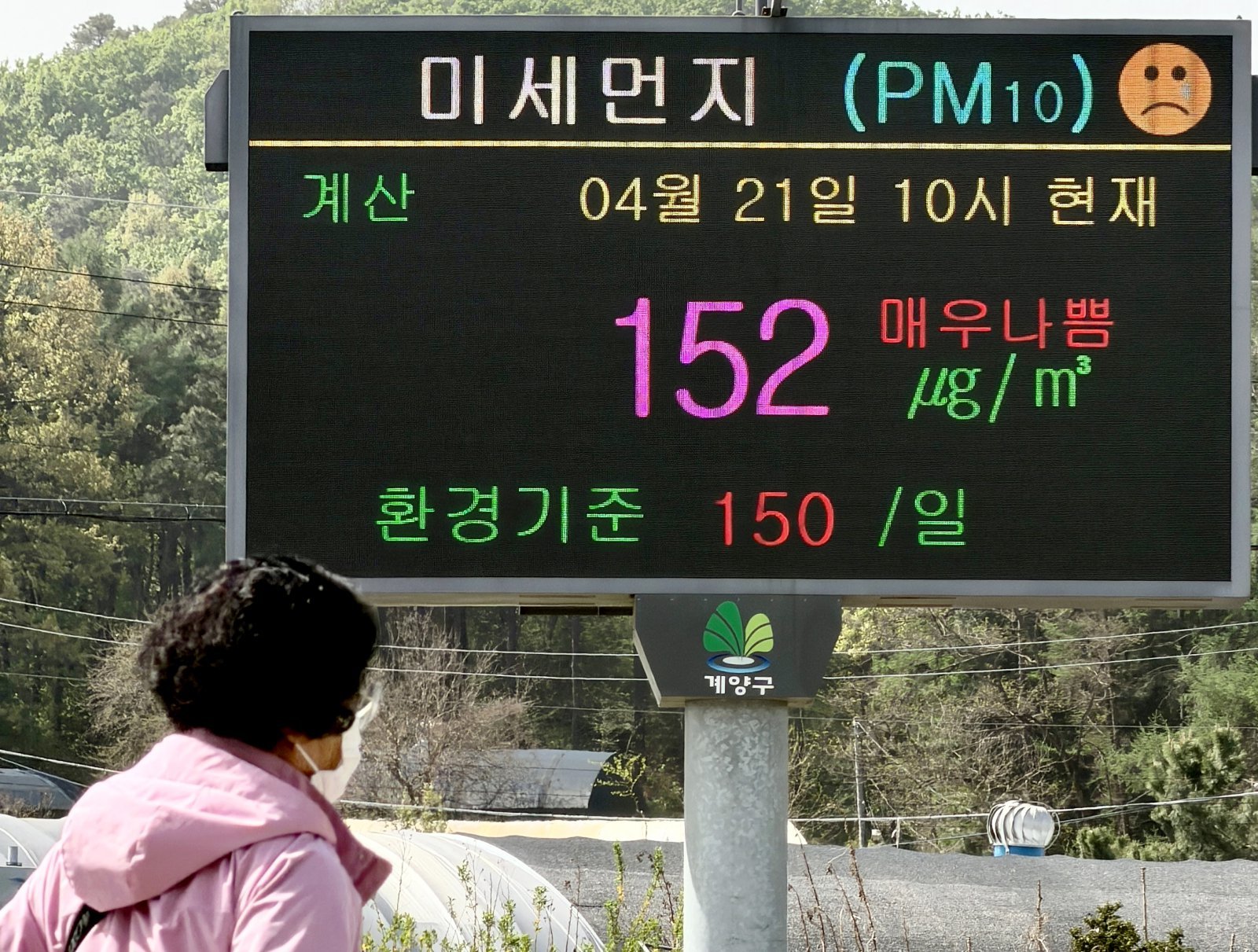
Seoul Lifts Fine Dust Advisory After 18 Hours as Air Quality Improves
Translated from Korean, summarized and contextualized by DistantNews.
TLDR
- A fine dust advisory for Seoul has been lifted after 18 hours, following a period of high concentrations.
- The high pollution levels were caused by yellow dust originating from the Gobi Desert and Inner Mongolia, carried by northwesterly winds.
- The Seoul Metropolitan Government's research institute stated the advisory was removed as particulate matter levels dropped below the threshold.
Seoul's air quality has seen a welcome improvement, with the fine dust advisory that gripped the capital being lifted after an 18-hour period. The advisory, issued due to elevated levels of PM-10 particulate matter, was a cause for concern for residents who have grown accustomed to such alerts. The source of this pollution was identified as yellow dust, a recurring phenomenon that originates from the Gobi Desert and Inner Mongolia.
This airborne particulate matter was transported to the Korean Peninsula by prevailing northwesterly winds, blanketing much of the country in a hazy veil. The Seoul Metropolitan Government's Institute of Environment and Research played a crucial role in monitoring the situation, ultimately deciding to lift the advisory once the concentration of fine dust fell below the critical threshold. This swift response highlights the city's commitment to public health and its systems for managing air quality.
While the immediate threat has passed, the event serves as a reminder of the transboundary nature of air pollution. The yellow dust, originating far beyond Korea's borders, underscores the need for regional cooperation in addressing air quality issues. For Seoul residents, the lifting of the advisory brings a sense of relief, allowing for a return to normal outdoor activities without the immediate health concerns associated with severe fine dust.
DistantNews Editorial
Originally published by Dong-A Ilbo in Korean. Translated, summarized, and contextualized by our editorial team with added local perspective. Read our editorial standards.
More Stories


From Our Blog

What Gets Lost (and Found) When News Is Translated

The Critical Role of Diaspora Media in Global News

What Travellers Should Know About Countries with Restricted Press

A Digital Nomad's Guide to Following Local News

How the Same Story Looks Different in Different Countries
