


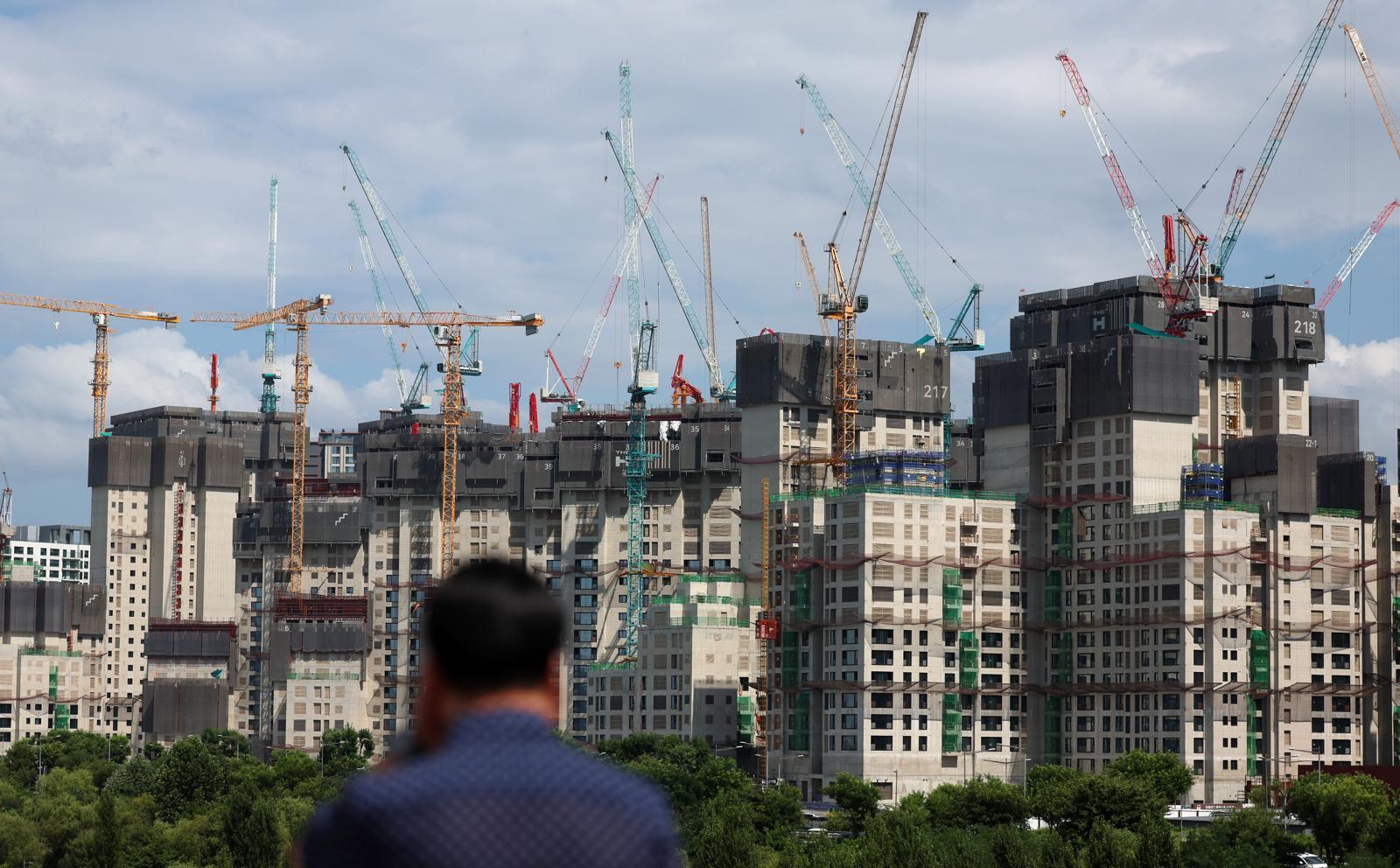
Seoul Metro Area to Add 230,000 Homes, Mostly Publicly Built
Translated from Korean, summarized and contextualized by DistantNews.
At a glance
News
Sources not specified
New plan
- The South Korean government announced a new housing supply plan for the Seoul metropolitan area, aiming to add over 230,000 units.
- The plan relies heavily on public housing development, with 75% of new units coming from public land and projects.
- Experts urge the government to accelerate private sector involvement by easing regulations to address the ongoing housing shortage.
South Korea's government has unveiled its third housing supply plan in less than a year, aiming to add more than 230,000 homes to the Seoul metropolitan area. The strategy, announced on July 13, 2026, seeks to alleviate persistent housing market instability.
The core of the plan involves utilizing land freed from development restrictions and underused public spaces. However, a significant portion, 75%, of these new homes will stem from public housing initiatives and expanded urban public housing projects. The remaining 25% will be developed by the private sector, supported by financial incentives and regulatory easing.
This continued reliance on public development contrasts with the private sector's dominant role in Seoul's housing market, which accounts for 81% of supply in the wider metropolitan area and 90% in Seoul itself. Recent construction and completion rates for apartments in the Seoul area have lagged behind the 10-year average, particularly in Seoul, where projected completions for the coming years fall significantly short of estimated market needs.
While the government has eased some regulations for private redevelopment and reconstruction, such as lowering consent thresholds for rebuilding associations and increasing loan limits, industry calls for further deregulation persist. The Seoul Metropolitan Government is pushing for relaxed rules on transferring developer rights and increased zoning allowances. Finding a balance between curbing excessive profits and ensuring the viability of private housing projects is crucial for both the Ministry of Land, Infrastructure and Transport and the Seoul city government.
Beyond new plans, accelerating the pace of already announced projects is paramount. This includes fast-tracking construction on sites like the Yongsan International Business District and the Taereung Golf Course, as well as expediting new city developments. Close collaboration with local authorities, including Seoul and Gwacheon, who have expressed opposition to green belt releases and racetrack relocation, is essential to build trust and clarity. Ultimately, a comprehensive effort involving the government, local authorities, and the private sector is needed to translate these plans into tangible housing supply.
DistantNews Editorial
Originally published by Dong-A Ilbo in Korean. Translated, summarized, and contextualized by our editorial team with added local perspective. Read our editorial standards.
More Stories



From Our Blog

What Gets Lost (and Found) When News Is Translated

The Critical Role of Diaspora Media in Global News

What Travellers Should Know About Countries with Restricted Press

A Digital Nomad's Guide to Following Local News

How the Same Story Looks Different in Different Countries
