


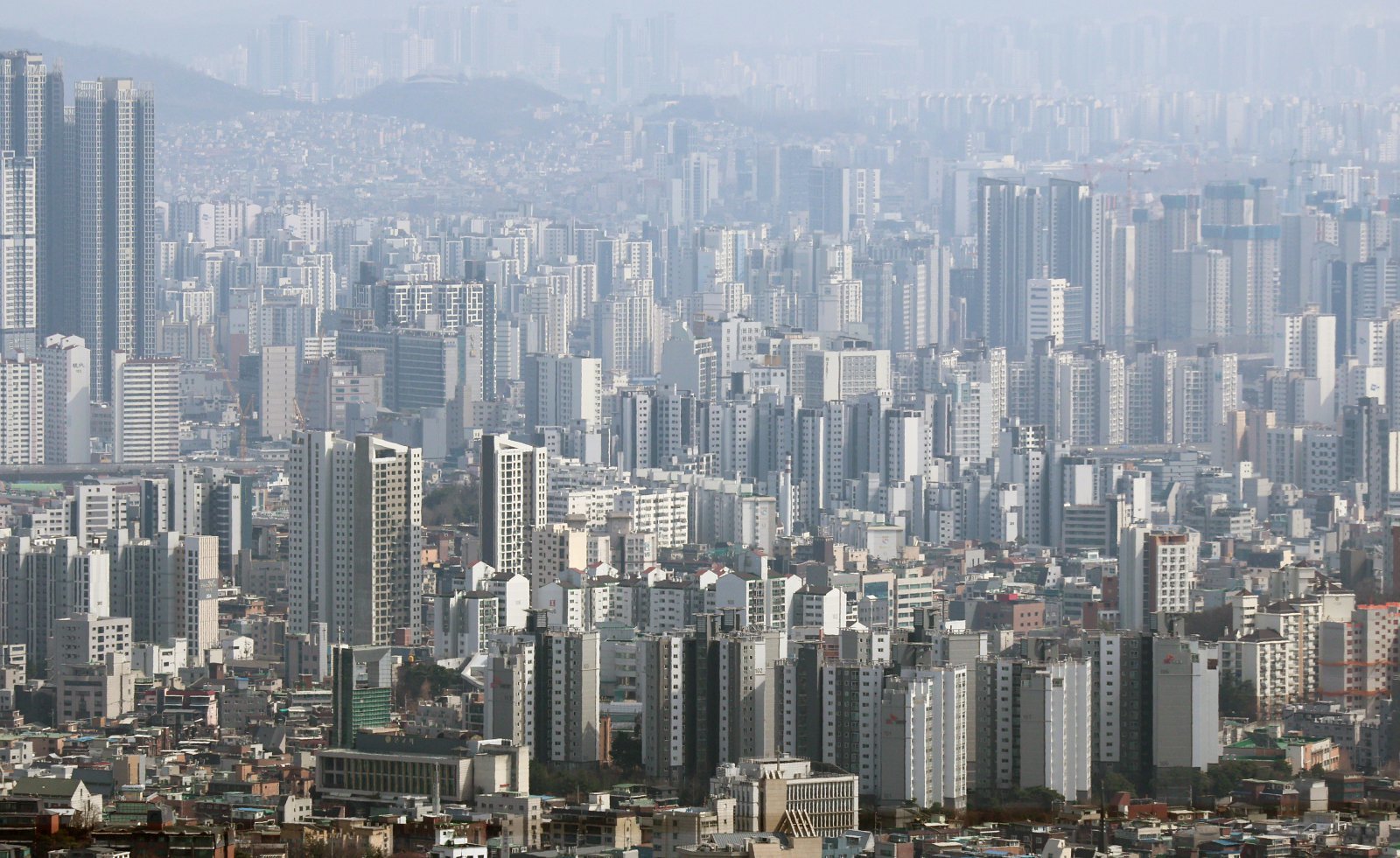
Seoul redevelopment project struggles for funds as builder guarantees falter
Translated from Korean, summarized and contextualized by DistantNews.
At a glance
News
Sources not specified
Context piece
- A redevelopment project in Seoul's Cheongnyangni 8 district faces difficulties securing additional relocation funds due to stricter loan regulations.
- The failure to secure builder guarantees for these funds has stalled the project and led some 조합원 (union members) to request cash settlements.
- The situation highlights the critical role of builder guarantees in facilitating loans for redevelopment projects amid tightened lending policies.
The Cheongnyangni 8 district redevelopment project in Seoul is encountering significant hurdles in securing additional relocation funds, primarily due to the government's tightened loan regulations. The core issue lies in the failure to obtain joint guarantees from the construction company, a crucial element for facilitating these loans.
This lack of builder guarantees has stalled the project's progress and created financial difficulties for some union members (조합원), with reports indicating that a portion of them are now considering or requesting cash settlements. The situation underscores the increasing importance of builder guarantees in the current lending environment, where they have become practically essential for the smooth progression of urban redevelopment initiatives.
The Cheongnyangni 8 project, slated to become a 711-unit, 29-story complex, was designated for redevelopment in 2010 and gained momentum after the establishment of its union in 2018. It received management disposition approval last year, partly due to Seoul City's adjusted project profitability assessment. However, subsequent government measures, including the June 27 and October 15 policies, have severely restricted loan-to-value ratios for homeowners, making it nearly impossible for multi-homeowners to secure additional loans and thus complicating relocation fund arrangements.
In this context, builder guarantees are vital. They allow financial institutions to more easily raise funds and offer lower interest rates. Without such guarantees, loans must rely solely on the union's creditworthiness, significantly worsening financing conditions. According to data from early this year, over 63 union members required approximately 13 billion won in additional relocation funds. Attempts to secure these funds, even with high-interest rate offers from builders like Lotte E&C (ranging from 8.5% to 10.0%), failed due to concerns about the burden on the builder's credit rating.
Industry experts point out that securing substantial additional relocation funds solely on the union's credit is unrealistic under current regulations. Even if loans are secured, the high interest rates would inevitably increase financial costs, ultimately leading to higher contributions from union members. The situation at Cheongnyangni 8 serves as a stark example of how stringent lending policies, without adequate builder support, can jeopardize major urban renewal projects.
DistantNews Editorial
Originally published by Dong-A Ilbo in Korean. Translated, summarized, and contextualized by our editorial team with added local perspective. Read our editorial standards.
More Stories


From Our Blog

What Gets Lost (and Found) When News Is Translated

The Critical Role of Diaspora Media in Global News

What Travellers Should Know About Countries with Restricted Press

A Digital Nomad's Guide to Following Local News

How the Same Story Looks Different in Different Countries
