

Seoul's jeonse listings rise 30% in two months, but market sees no relief in sight
Translated from Korean, summarized and contextualized by DistantNews.
At a glance
News
Sources not specified
Context piece
- Seoul's apartment jeonse (lump-sum deposit) listings have increased by 30% in two months, surpassing 20,000 units.
- Despite the rise, the market views this as insufficient to resolve the jeonse shortage, citing seasonal lulls and slow transactions.
- Experts warn of continued jeonse market instability and potential price hikes leading into the autumn moving season.
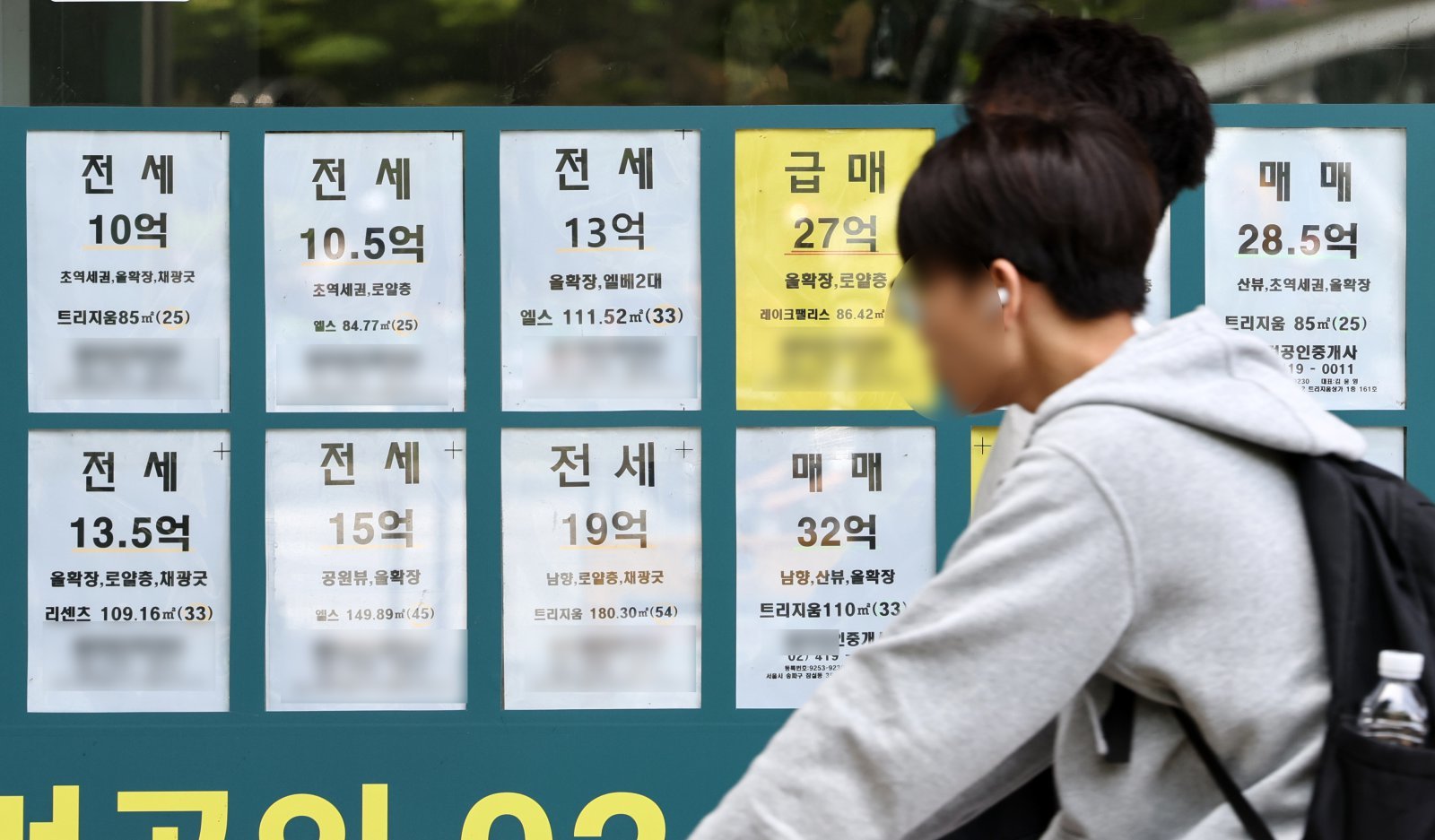
The number of jeonse listings for apartments in Seoul has risen by approximately 30% over the past two months, exceeding 20,000 units. This increase, however, is not being interpreted by the market as a sign of expanding jeonse supply. Analysts suggest the current volume falls significantly short of the ideal range of 35,000 to 40,000 listings.
The recent uptick in available jeonse properties is largely attributed to a combination of factors, including the seasonal slowdown in the housing market following the spring moving season and a general deceleration in transactions. The rapid surge in Seoul apartment jeonse prices over a short period has widened the gap between landlords' asking prices and tenants' affordability. This disparity makes it difficult to finalize contracts, leading to more properties remaining on the market and consequently increasing the jeonse listing count.
The jeonse market needs a large-scale influx of new properties to stabilize. With the current shortage of move-ins, even a slight increase in available listings is not enough to resolve the jeonse crisis.
Seoul's apartment jeonse prices have seen a cumulative increase of 4.79% this year, more than five times the rate during the same period last year. The weekly increase rate also remains high, reaching 0.35% as of June 22, the highest since October 2013. This escalating cost is narrowing tenants' options, with many resorting to using their contract renewal rights or moving to non-apartment housing or areas on the outskirts of the city.
While some attribute the increase to landlords delaying sales due to the potential reintroduction of capital gains tax surcharges and opting for rental income instead, industry experts largely view this as insufficient for a structural increase in jeonse supply. With new apartment move-ins projected to hit a record low this year, the fundamental solution of increased new housing supply remains elusive, limiting the market's ability to stabilize.
As the autumn moving season and summer vacation school district demand begin in earnest from late July, the imbalance in jeonse supply and demand could worsen. The upward pressure on jeonse prices is likely to continue in the second half of the year.
DistantNews Editorial
Originally published by Dong-A Ilbo in Korean. Translated, summarized, and contextualized by our editorial team with added local perspective. Read our editorial standards.
More Stories


From Our Blog

What Gets Lost (and Found) When News Is Translated

The Critical Role of Diaspora Media in Global News

What Travellers Should Know About Countries with Restricted Press

A Digital Nomad's Guide to Following Local News

How the Same Story Looks Different in Different Countries
