


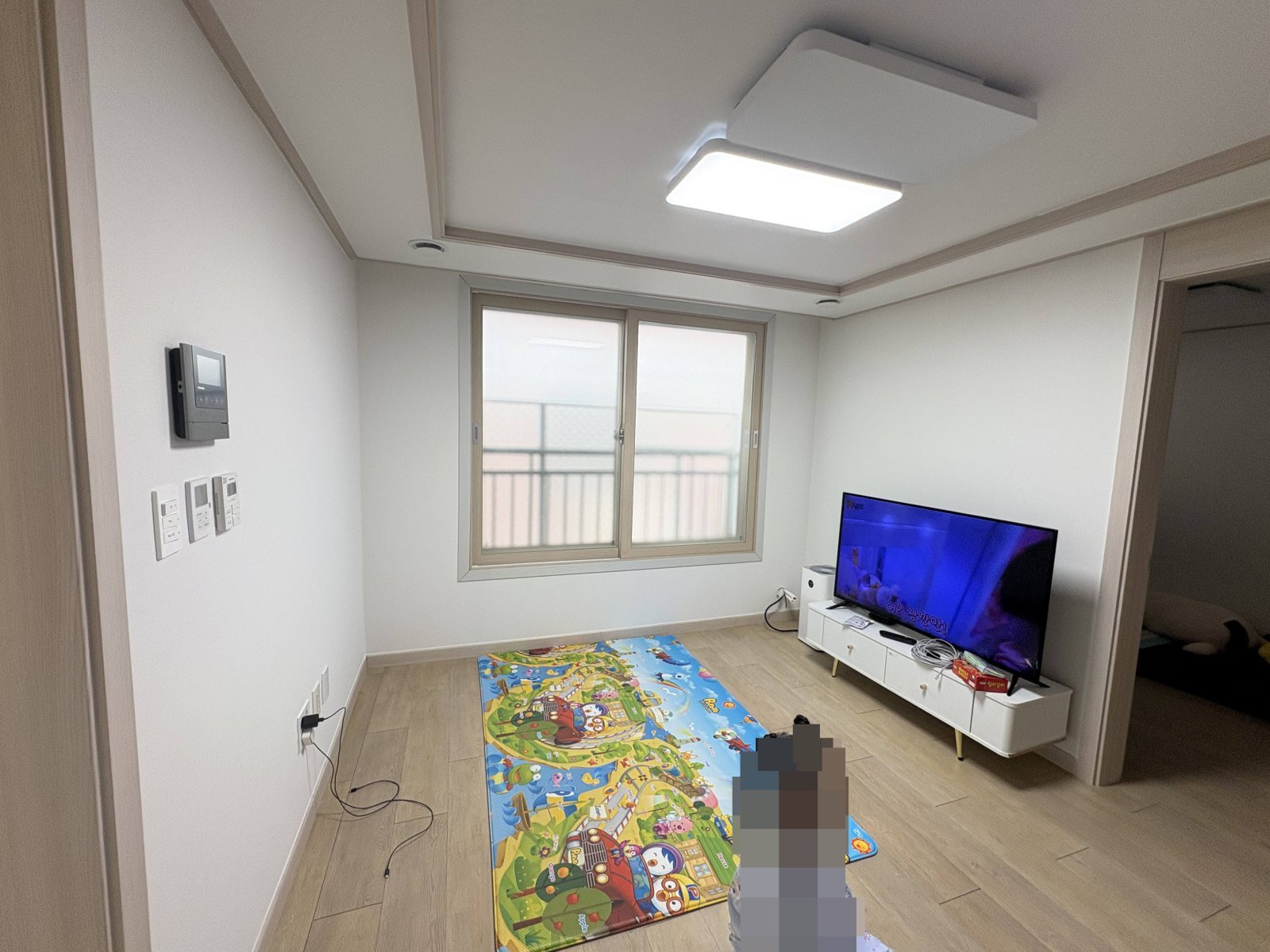
Seoul supports 199 vulnerable child households with 930 million won for safer housing
Translated from Korean, summarized and contextualized by DistantNews.
At a glance
News
Sources not specified
New plan
- Seoul provided 930 million won to 199 vulnerable households with children, helping them move from substandard housing to safer homes.
- The support, part of a future support project for climate-vulnerable children, covered rental deposits, home improvements, and moving costs for families with children under 24.
- Over 90% of recipients reported improved parental motivation, better child relationships, and increased self-esteem for children, with the program continuing until funds are depleted.
Seoul has successfully relocated 199 vulnerable households with children from substandard housing, including basements, rooftops, and makeshift rooms, to safer environments. The city's "Future Support Project for Climate-Vulnerable Children," a two-year initiative in partnership with World Vision and the Seoul Council of Social Welfare Centers, has allocated 930 million won (approximately $670,000 USD) to improve living conditions.
The program targets families residing in Seoul with children under 24, earning up to 120% of the national median income, who live in precarious conditions. Each household can receive up to 10 million won (approximately $7,200 USD) for rental deposits and housing improvements. This support extends to essential home repairs like wallpaper and insulation, moving expenses, and even the purchase of necessary appliances such as refrigerators and washing machines.
Beyond basic needs, the initiative offers additional educational support, including tutoring fees and certification costs, subject to a separate review process. The project has facilitated moves from basements and rooftops to above-ground dwellings, provided security enhancements like anti-burglary doors for stalking victims, and improved living spaces for those with hoarding disorders. Families affected by heavy rainfall also received assistance for new washing machines.
An overwhelming 90% of surveyed participants reported positive outcomes, including increased parental motivation, improved family relationships, and enhanced self-esteem in children. The program will continue to accept applications until its budget is exhausted. Interested families can apply through their local social welfare centers, with support decisions made after a review by welfare experts. Kim Hong-chan, Seoul's Director of Care and Loneliness Policy, emphasized the city's commitment to providing ongoing housing support, stating, "Children and adolescents living in poor housing conditions due to the climate crisis are becoming more vulnerable. We will continue to provide housing support so that children can grow up in safe and pleasant environments through public-private cooperation."
Children and adolescents living in poor housing conditions due to the climate crisis are becoming more vulnerable. We will continue to provide housing support so that children can grow up in safe and pleasant environments through public-private cooperation.
DistantNews Editorial
Originally published by Dong-A Ilbo in Korean. Translated, summarized, and contextualized by our editorial team with added local perspective. Read our editorial standards.
More Stories


From Our Blog

What Gets Lost (and Found) When News Is Translated

The Critical Role of Diaspora Media in Global News

What Travellers Should Know About Countries with Restricted Press

A Digital Nomad's Guide to Following Local News

How the Same Story Looks Different in Different Countries
