


Seoul Tax Reform May Fuel Demand for 2 Billion Won Apartments, Experts Warn
Translated from Korean, summarized and contextualized by DistantNews.
At a glance
News
Sources not specified
Context piece
- South Korea's tax reform may inadvertently boost demand for mid-priced apartments, rather than stabilize the market.
- Experts predict a rise in prices for apartments in Seoul's mid-tier and affordable segments, as well as in commuter-friendly areas of Gyeonggi and Incheon.
- The reform aims to curb speculation by increasing taxes on high-value homes, but could instead concentrate demand on properties around 2 billion won.
South Korea's recent tax reform, designed to cool the overheated property market by increasing taxes on high-value homes, may be having the opposite effect. Experts suggest the policy could inadvertently drive demand towards apartments priced around 2 billion won, particularly those in desirable commuter locations outside Seoul.
Real estate policy makers seem to have expected that by suppressing prices in ultra-high-priced areas of Seoul with taxes, real estate prices would fall significantly, but the reality is different.
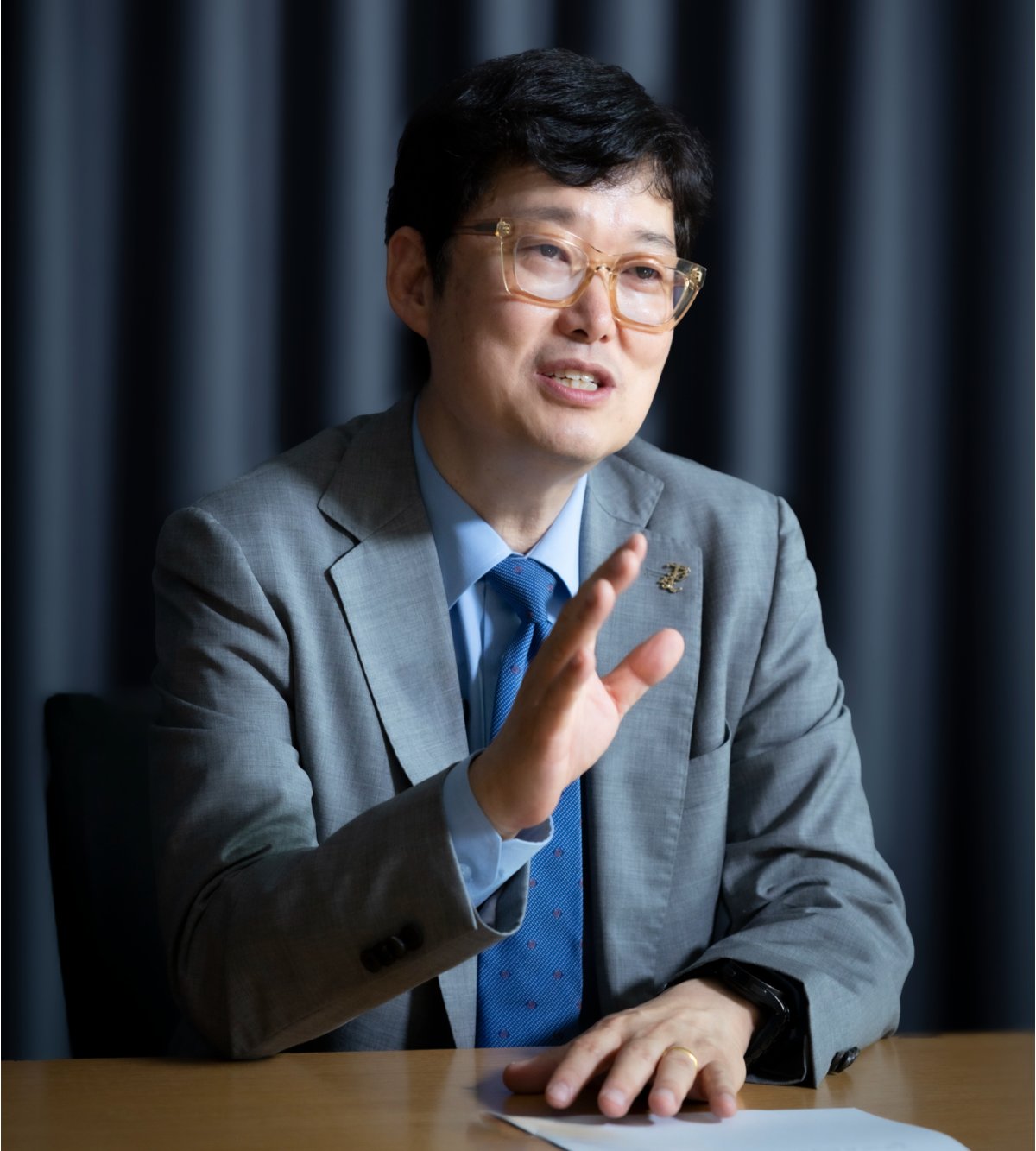
Kim Hak-ryeol, head of the Smart Tube Real Estate Research Institute, expressed skepticism about the reform's ability to stabilize housing prices. He noted that the price gap between ultra-luxury apartments and mid-tier properties in Seoul is already significant. While the most expensive homes might see a slight price adjustment due to increased tax burdens, demand is expected to shift to the next tier, properties valued around 2 billion won. This could lead to a 'leveling up' phenomenon, where mid-tier apartment prices rise, followed by an increase in lower-tier housing costs.
The reform raises the base deduction for comprehensive real estate tax for owner-occupiers from 1.2 billion to 1.4 billion won (approximately 2 billion won in market value). However, it lowers the deduction for non-residents and increases the tax burden for owner-occupiers whose homes exceed 2.3 billion won in official price. The government's intention is to encourage single-home ownership and curb speculation. Yet, concerns are mounting that this could concentrate demand on well-located properties in the 2 billion won range, potentially inflating their prices.
Even if the prices of the highest-priced apartments decrease slightly, it will be difficult for the market prices of the next tier of the market to fall.
Kim predicts that ultra-luxury apartment transactions in Seoul will slow down as owners grapple with complex tax calculations. Meanwhile, areas like Mapo, Seongdong, and Dongjak, with apartments around the 2 billion won mark, are expected to see their market positions strengthen. Demand is likely to increase in these areas as they become the perceived 'final destination' for buyers priced out of the top tier. This trend is also expected to ripple outwards, boosting prices in Seoul's lower-tier segments and particularly in new constructions in Gyeonggi and Incheon that offer easy commutes to the capital.
The demand is concentrating on 'less than perfectly one house' priced at around 2 billion won, which has a relatively low tax burden and is in a good location.
DistantNews Editorial
Originally published by Dong-A Ilbo in Korean. Translated, summarized, and contextualized by our editorial team with added local perspective. Read our editorial standards.
More Stories


From Our Blog

What Gets Lost (and Found) When News Is Translated

The Critical Role of Diaspora Media in Global News

What Travellers Should Know About Countries with Restricted Press

A Digital Nomad's Guide to Following Local News

How the Same Story Looks Different in Different Countries
