


Seoul villa transactions hit 5-year high in Q2 amid market recovery hopes
Translated from Korean, summarized and contextualized by DistantNews.
At a glance
News
Official statement
Context piece
- Seoul's non-apartment market, including villas, saw a significant rise in transaction volume and value in the second quarter, reaching a five-year high.
- This market activity is attributed to eased construction regulations and enhanced financial support for non-apartments under the government's housing supply measures.
- Experts predict a gradual recovery for the non-apartment market, driven by both demand from younger buyers and investment interest in redevelopment areas.
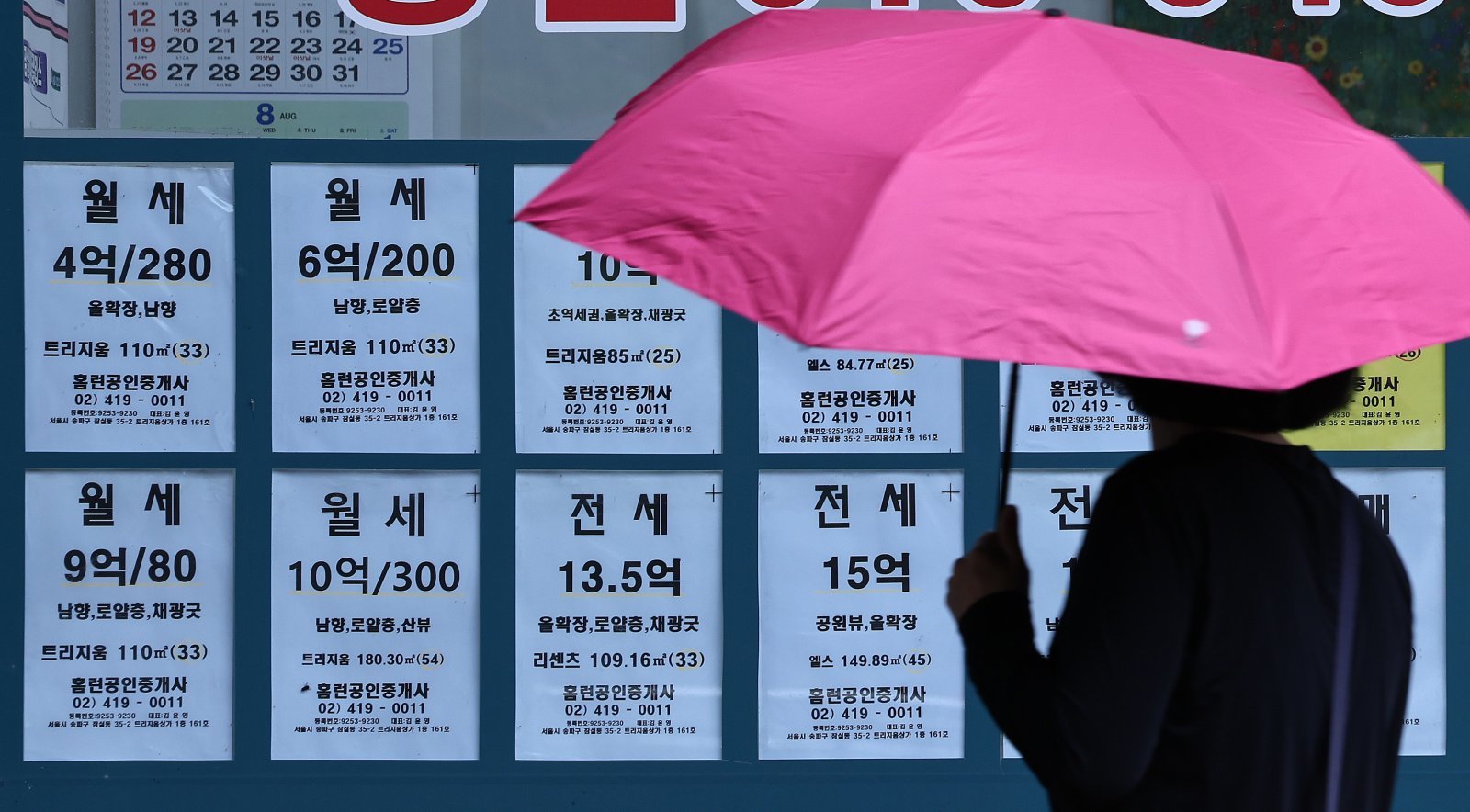
Seoul's market for non-apartments, such as villas and multi-unit dwellings, is showing renewed vigor with increases in both transaction volume and value. This resurgence is bolstered by the government's "August 13 Housing Quick Supply Measures," which aim to ease construction regulations and strengthen financial support for this sector.
Analysis of real estate transaction data reveals that in the second quarter, Seoul recorded 11,536 sales of multi-unit and multi-family housing, a 11.7% increase from the previous quarter and the highest since the third quarter of 2021. Transaction value also climbed 12.1% to 4.93 trillion won, marking the highest figure since the second quarter of 2021. Notably, 21 out of Seoul's 25 districts saw a rise in transactions, with significant growth in areas like Nowon, Gangbuk, and Dobong.
The price of non-apartments is also on an upward trend. Data from the Korea Real Estate Board shows that Seoul's multi-unit and multi-family housing prices rose 5.27% by July this year, the highest annual increase since 2008. This surge is comparable to the apartment market's growth and even surpassed it in April, when villa transactions were particularly high.
This supply measure includes policies to revitalize non-apartment supply and stimulate demand. In the medium to long term, demand for non-apartments is expected to increase, particularly in areas with redevelopment prospects.
Market analysts suggest that villas are attracting interest from genuine buyers due to fewer restrictions, such as the absence of land transaction permit requirements and no mandatory residency periods. With rising apartment prices and deepening rental market difficulties in the Seoul metropolitan area, younger, financially constrained buyers are increasingly turning to more affordable non-apartments. Investment demand is also flowing into areas in the early stages of redevelopment.
The government views non-apartments as a key solution for stabilizing the housing market, given their faster construction times. The "August 13 Measures" outline a plan to start construction on 130,000 non-apartment units in the Seoul metropolitan area by 2030, through relaxed building codes and enhanced financial and tax incentives. These include increasing the allowable construction area for multi-family and multi-unit buildings and easing height restrictions. Financial support is also being expanded, with increased loan limits for construction and a new loan program for young buyers purchasing non-apartments under 400 million won.
However, the structural issue of inverted rent (where rent exceeds the deposit) has not yet been resolved, which may limit price increases.
DistantNews Editorial
Originally published by Hankyoreh in Korean. Translated, summarized, and contextualized by our editorial team with added local perspective. Read our editorial standards.
More Stories


From Our Blog

What Gets Lost (and Found) When News Is Translated

The Critical Role of Diaspora Media in Global News

What Travellers Should Know About Countries with Restricted Press

A Digital Nomad's Guide to Following Local News

How the Same Story Looks Different in Different Countries
