

'Serbia Yes, Autocracy No'! A Turbulent Day for Serbia in the EU
Translated from Croatian, summarized and contextualized by DistantNews.
At a glance
News
Sources not specified
Ongoing story
- Serbia faces a critical day in its EU accession process as the European Parliament debates a critical report while member states discuss opening a new negotiation cluster.
- Croatia has indicated it will not support opening Cluster 3, citing a lack of political will and reforms in Serbia, despite a proposal from the European Commission.
- MEPs expressed concerns about Serbia's democratic backsliding, media freedom, corruption, and perceived ties to Moscow, urging fair elections and adherence to EU standards.
Serbia's path toward European Union membership is fraught with tension, as a critical report is debated in the European Parliament while member states deliberate on opening a new negotiation cluster. Croatia has signaled its opposition to opening Cluster 3, a move that could stall Serbia's progress. This stance stems from concerns that Serbia lacks the political will for necessary reforms, despite a push from the European Commission to advance the accession talks after a four-year stagnation.
After years of regression, the EU must not reward Serbia on its accession path based on quasi-reforms.
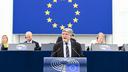
MEPs voiced strong criticism during the parliamentary debate. Tonino Picula, the European Parliament's rapporteur for Serbia, stated that the EU should not reward Serbia's accession journey with "quasi-reforms" after years of regression. He highlighted that the Serbian government is creating new dilemmas and tensions with its neighbors. Davor Ivo Stier, representing the European People's Party, expressed skepticism about Serbia's alignment with the EU, attributing it to a deeply ingrained non-aligned policy rather than a lack of political will.
The Serbian government is only opening new dilemmas and tensions towards its neighbors.
Andreas Schieder, speaking for the European Socialists, directly named Serbian President Aleksandar Vučić as the primary obstacle, citing a decline in democracy, media freedom, and transparency, alongside rising corruption and Serbia's perceived role as a proxy for Moscow. He emphasized solidarity with the student movement demanding a functional state and called for electoral law reform to ensure fair elections. The debate underscored a significant disconnect between the European Commission's proposal and the sentiment within the European Parliament and key member states regarding Serbia's readiness for further integration.
We need to be honest: Serbia will not align with the European Union in the near future because there is no political will either in power or in opposition.
DistantNews Editorial
Originally published by Večernji List in Croatian. Translated, summarized, and contextualized by our editorial team with added local perspective. Read our editorial standards.
More Stories


From Our Blog

What Gets Lost (and Found) When News Is Translated

The Critical Role of Diaspora Media in Global News

What Travellers Should Know About Countries with Restricted Press

A Digital Nomad's Guide to Following Local News

How the Same Story Looks Different in Different Countries
