


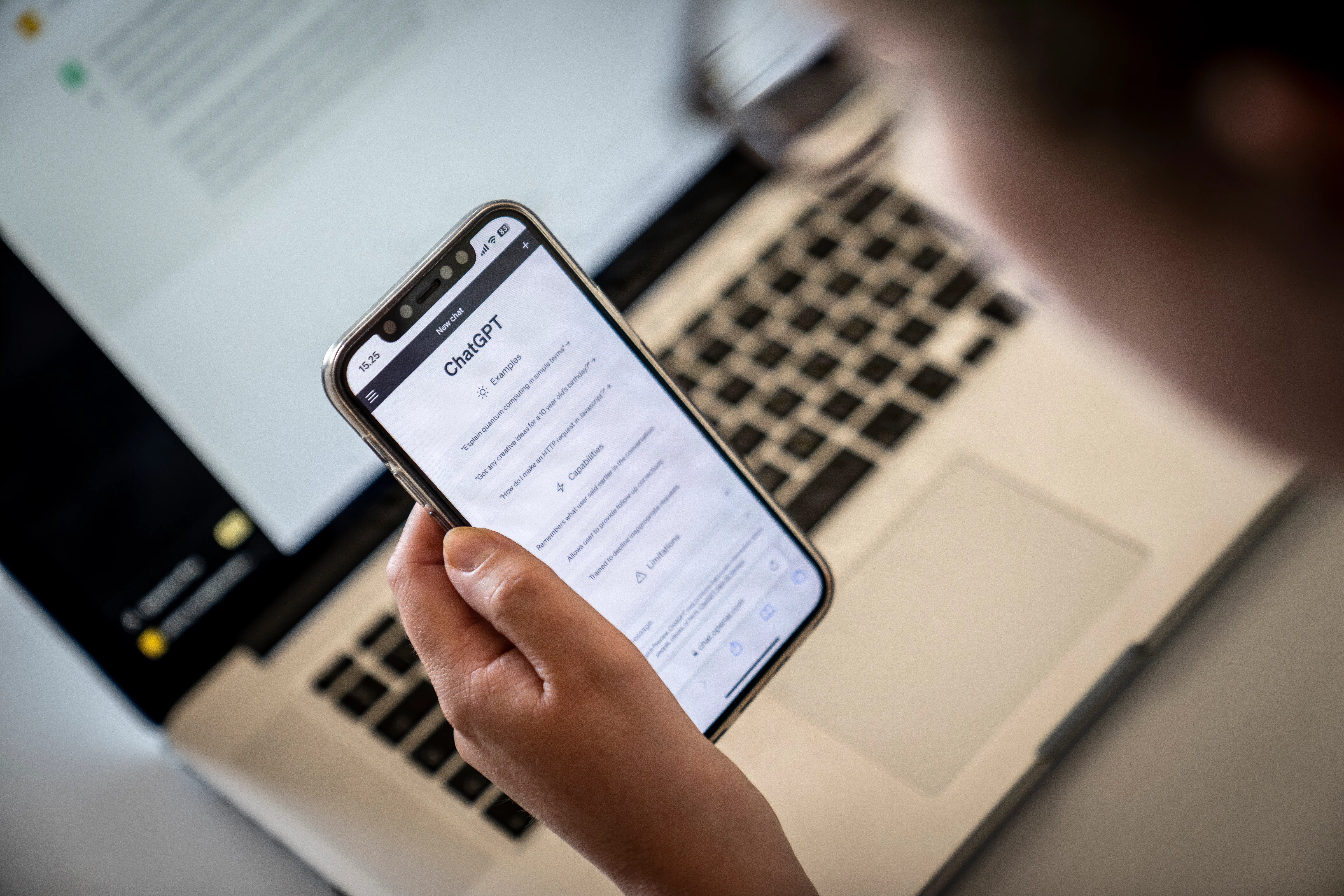
Sharing Chatbot Passwords Can Lead to Revealing Private Information
Translated from Danish, summarized and contextualized by DistantNews.
At a glance
News
Named sources
Context piece
- Sharing login credentials for expensive AI chatbots like ChatGPT and Claude can lead to the disclosure of highly private information.
- Users risk revealing sensitive details about their personal lives, such as health conditions.
- This practice can result in unintended 'brain-sharing' with others, compromising user privacy.
Sharing login details for premium AI chatbot services like ChatGPT and Claude, while seemingly a cost-saving measure, carries significant privacy risks. Users who share their passwords with friends and family may inadvertently expose highly personal information.
One user, 22-year-old Connor Effrain, who suffers from Crohn's disease, found that the chatbot knew intimate details about his life, including his eating habits and toilet visits. This level of detail highlights how AI services can accumulate and potentially expose sensitive health-related data if access is not strictly controlled.
The practice, described as 'sharing a brain,' means that the AI's accumulated knowledge about one user can become accessible to another. This raises concerns about data security and the potential for misuse of deeply private information, urging users to exercise caution before sharing their credentials.
You can end up 'sharing a brain' with others.
DistantNews Editorial
Originally published by Berlingske in Danish. Translated, summarized, and contextualized by our editorial team with added local perspective. Read our editorial standards.
More Stories

From Our Blog

What Gets Lost (and Found) When News Is Translated

The Critical Role of Diaspora Media in Global News

What Travellers Should Know About Countries with Restricted Press

A Digital Nomad's Guide to Following Local News

How the Same Story Looks Different in Different Countries
