


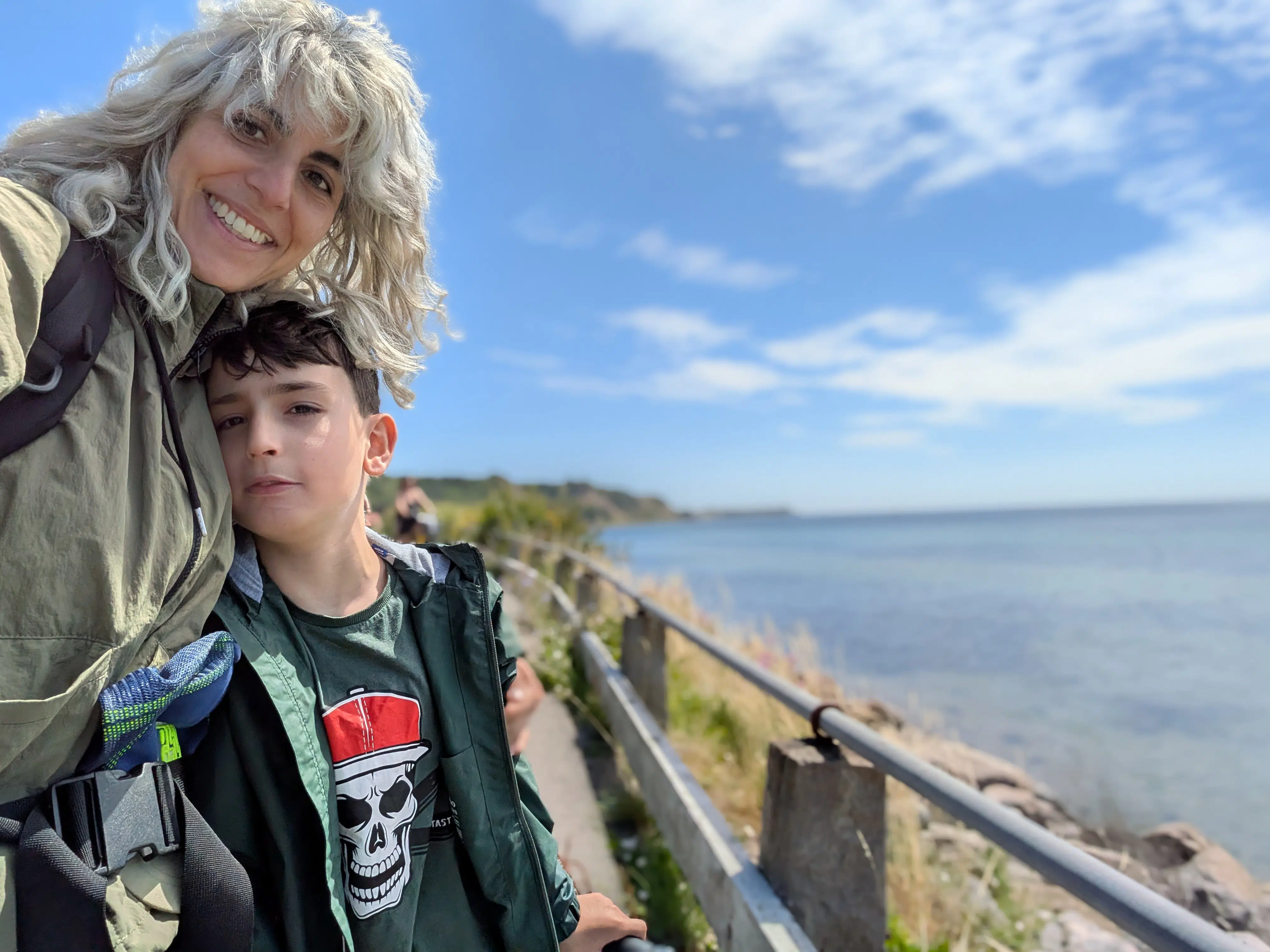
She is a researcher and mother to a child with an ultra-rare disease: We are failing patients like him
Translated from Danish, summarized and contextualized by DistantNews.
At a glance
Opinion
Sources not specified
Context piece
- A mother describes the six-year diagnostic journey for her son's ultra-rare disease, which offered no treatment options.
- She criticizes the Danish healthcare system for rejecting her evidence-based treatment proposals due to a lack of pre-existing documentation.
- The author, a clinical pharmacologist, argues the system fails patients with rare diseases when scientific evidence is scarce.
The Danish healthcare system, lauded for its quality and evidence-based practices, paradoxically fails patients with ultra-rare diseases when scientific evidence is scarce, writes Ayna Baladi Nejad, a mother and clinical pharmacologist.
Nejad recounts the six-year struggle to diagnose her son's condition, a journey that concluded without any available treatment. Faced with this systemic gap, she felt compelled to develop treatment strategies herself. However, her concrete, scientifically grounded proposals were met with rejection, not dialogue, simply because they lacked prior documentation within the system.
She argues that the system's reliance on existing evidence creates a Catch-22 for patients with rare conditions. The lack of established treatments means less research, which in turn leads to less evidence, perpetuating a cycle of inaction. Nejad's experience highlights a critical flaw in how the healthcare system approaches the unknown, leaving patients like her son without hope or recourse.
DistantNews Editorial
Originally published by Berlingske in Danish. Translated, summarized, and contextualized by our editorial team with added local perspective. Read our editorial standards.
More Stories


From Our Blog

What Gets Lost (and Found) When News Is Translated

The Critical Role of Diaspora Media in Global News

What Travellers Should Know About Countries with Restricted Press

A Digital Nomad's Guide to Following Local News

How the Same Story Looks Different in Different Countries
