

Sheinbaum highlights Mexico's sugar exports to U.S. to exceed one million tons
Translated from Spanish, summarized and contextualized by DistantNews.
At a glance
News
Named sources
New plan
- Mexico will export over 1.15 million tons of sugar to the U.S. in the 2026-2027 cycle, a fourfold increase from the previous cycle.
- President Claudia Sheinbaum stated this is "extraordinary news" for sugar producers and will benefit at least 500,000 families.
- The increased export is a result of dialogue with the U.S. that began in November of the previous year.
Mexico's sugar exports to the United States are set to surge, with President Claudia Sheinbaum announcing a projected 1.152 million tons for the 2026-2027 cycle. This figure represents a significant increase, being four times larger than the 250,000 tons exported in the 2025-2026 cycle, marking a 512% rise.
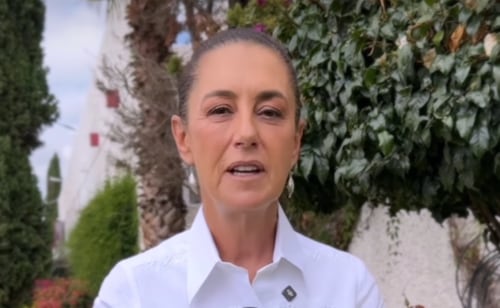
Sheinbaum celebrated the development on social media, calling it "very good news for sugar producers." She emphasized the economic impact, noting that at least 500,000 Mexican families depend on the sugar industry. The enhanced export conditions are expected to potentially increase payments to Mexican cane producers by up to 4.76 billion pesos in the upcoming season.
very good news for sugar producers
"This is extraordinary news for everyone dedicated to sugar production and for the entire country," Sheinbaum stated. The breakthrough is attributed to diplomatic efforts, including discussions with the U.S. that commenced in November of the previous year during a visit by U.S. Secretary of Agriculture Brooke Rollins to Mexico. Sheinbaum expressed gratitude to Mexico's Secretary of Agriculture and Rural Development, Julio Berdegué, and Secretary of Agriculture Columba López, as well as the Ministry of Economy and the U.S. Secretary of Agriculture for their roles in the negotiations.
This is extraordinary news for everyone dedicated to sugar production and for the entire country
DistantNews Editorial
Originally published by El Universal in Spanish. Translated, summarized, and contextualized by our editorial team with added local perspective. Read our editorial standards.
More Stories


From Our Blog

What Press Freedom Means for the News You Read

What Gets Lost (and Found) When News Is Translated

The Critical Role of Diaspora Media in Global News

What Travellers Should Know About Countries with Restricted Press

A Digital Nomad's Guide to Following Local News
