

Shingles Vaccine Linked to 24% Lower Dementia Risk in Elderly, Study Finds
Translated from Korean, summarized and contextualized by DistantNews.
At a glance
News
Named sources
Context piece
- Elderly individuals who received the shingles vaccine (Shingrix) showed a 24% lower risk of dementia diagnosis over four years compared to unvaccinated individuals.
- The study focused on the recombinant zoster vaccine Shingrix, currently used in several countries including South Korea.
- Researchers suggest the vaccine might benefit brain health by reducing inflammation and inhibiting viral reactivation, though further research is needed to confirm causality.
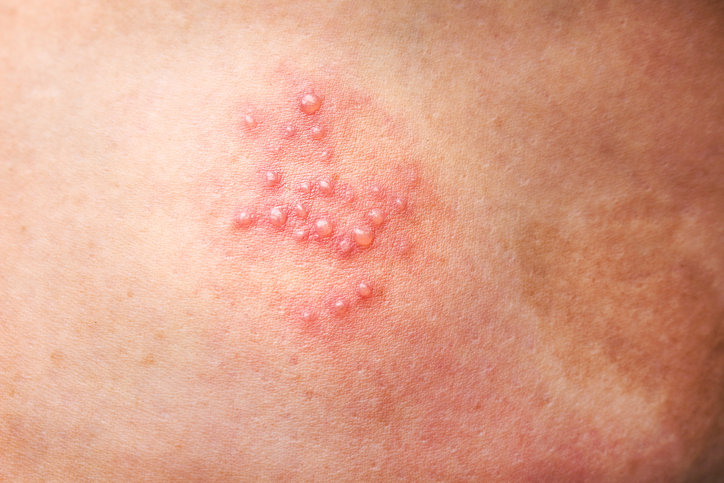
Elderly individuals who received the shingles vaccine, specifically the Shingrix brand, demonstrated a significantly lower risk of dementia diagnosis over a four-year period. The study found that vaccinated seniors had an approximately 24% reduced risk compared to their unvaccinated counterparts. The incidence of dementia was 18.8% in the vaccinated group versus 24.6% in the unvaccinated group, a difference of about 6 percentage points.
This research is particularly noteworthy as it focused on Shingrix, a recombinant zoster vaccine widely used in countries including South Korea. The study, a collaborative effort by researchers from Brown University, the University of Delaware, and the Providence Veterans Affairs Medical Center, was published in the Annals of Internal Medicine. It analyzed health records and Medicare data of over 500,000 adults aged 66 and older who were admitted to skilled nursing facilities.
This result corresponds to the level of preventing dementia in about one out of every 17 elderly individuals.
Previous studies on shingles vaccines and dementia prevention often centered on older, live-attenuated vaccines like Zostavax, which has lower efficacy and shorter immunity duration than Shingrix and is no longer widely used in many countries. The current study utilized a statistical technique called 'target trial emulation' to mimic a randomized controlled trial, analyzing Medicare claims and electronic health records from over 500,000 patients across more than 5,500 skilled nursing facilities nationwide between 2017 and 2022.
While the exact biological mechanism linking the shingles vaccine to dementia prevention remains unclear, researchers propose that inhibiting the reactivation of the varicella-zoster virus and reducing systemic inflammation could positively impact brain health. Some studies have observed lower inflammation markers and slower biological aging rates in vaccinated individuals. However, the researchers caution that these findings, derived from observational data, do not definitively establish a causal link. Further large-scale randomized controlled trials are necessary to confirm whether the vaccine can be recommended for dementia prevention.
Cognitive function is very closely related to overall health status and changes occurring in the body. It is very interesting that a vaccine originally developed to prevent physical illness can also help maintain brain health.
DistantNews Editorial
Originally published by Dong-A Ilbo in Korean. Translated, summarized, and contextualized by our editorial team with added local perspective. Read our editorial standards.
More Stories


From Our Blog

What Gets Lost (and Found) When News Is Translated

The Critical Role of Diaspora Media in Global News

What Travellers Should Know About Countries with Restricted Press

A Digital Nomad's Guide to Following Local News

How the Same Story Looks Different in Different Countries
