


Ships Continue Red Sea Transit Amid Houthi Threats, But Uncertainty Grows
Translated from English, summarized and contextualized by DistantNews.
At a glance
News
Documents & data
Ongoing story
- Dozens of ships continue to transit the Bab el-Mandeb Strait despite Houthi threats and attacks.
- However, growing uncertainty is causing some ships to alter course or turn back.
- The ongoing disruptions in the Red Sea and Strait of Hormuz risk further impacting global commerce and have driven crude prices higher.
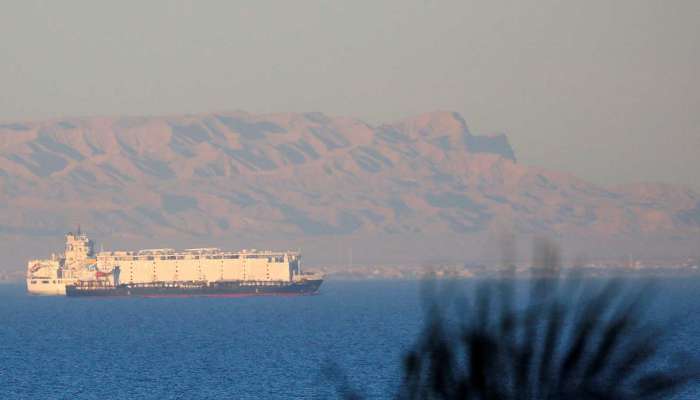
Despite persistent threats and attacks from Iran-backed Houthi rebels, numerous vessels are continuing to navigate the critical Bab el-Mandeb Strait, according to a New York Times analysis of shipping data. This waterway is a vital chokepoint for global trade.
However, the report highlights a growing unease among shipping operators. Increased uncertainty surrounding the conflict and maritime safety is compelling several ships to reroute or execute U-turns, abandoning their planned journeys. In the past week alone, Houthi rebels targeted at least three oil tankers, with the latest incident occurring on Friday.
Any sustained disruption in the Red Sea poses a significant threat to global commerce, which is already struggling with the broader Middle East conflict. The war has already severely curtailed transit through the Strait of Hormuz, another crucial maritime corridor. Saudi Arabia has been rerouting millions of barrels of crude oil daily via an overland pipeline, with a substantial portion exiting through the Bab el-Mandeb Strait.
This alternative supply route now faces heightened risk after the Houthis announced intentions to target shipping linked to Saudi Arabia. While initial indicators showed a sharp drop in vessels using the strait, maritime activity has shown resilience, with a notable increase in crossings on Thursday. Nevertheless, a Saudi-linked vessel sustained minor damage in a Red Sea attack on Friday, though it was able to continue its journey.
The escalating maritime risks are driving benchmark crude prices upward, with Brent crude nearing $100 per barrel, its highest level in approximately two months. Analysts estimate that about a quarter of global oil supply is currently exposed to risk due to concurrent disruptions in both the Red Sea and the Strait of Hormuz.
DistantNews Editorial
Originally published by Times of Oman in English. Translated, summarized, and contextualized by our editorial team with added local perspective. Read our editorial standards.
More Stories



From Our Blog

What Gets Lost (and Found) When News Is Translated

The Critical Role of Diaspora Media in Global News

What Travellers Should Know About Countries with Restricted Press

A Digital Nomad's Guide to Following Local News

How the Same Story Looks Different in Different Countries
